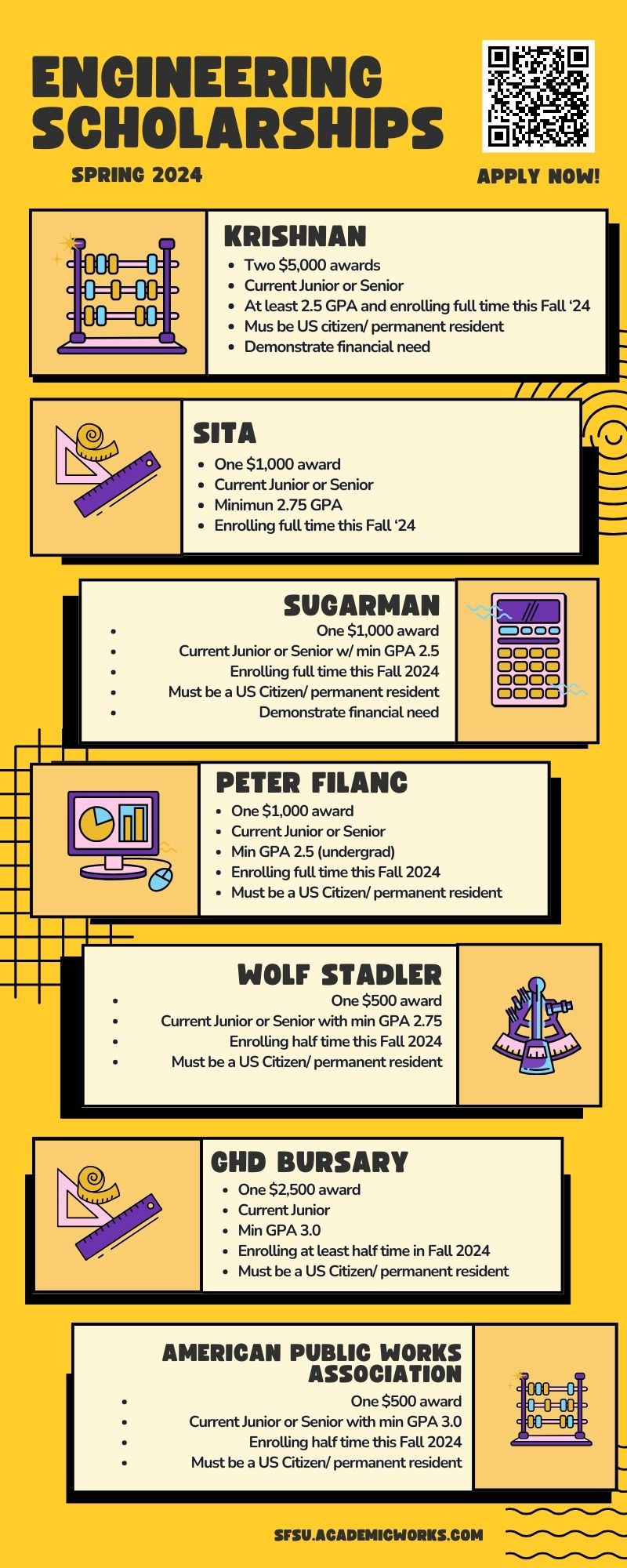

The hum of a well-oiled machine, the elegant curve of a bridge against the sky, the intricate dance of code bringing an idea to life – that’s what engineering felt like to me. It was more than just a subject; it was a calling, a future I could almost touch. But for a long time, it felt like a future locked behind a formidable barrier: money. I remember staring at university brochures, the glossy pages filled with images of students in labs, vibrant campuses, and then, the tuition fees. They loomed large, a suffocating number that threatened to extinguish the spark of my ambition before it even had a chance to truly ignite. That’s when I stumbled upon the lifeline, the secret passage I want to tell you about today: engineering scholarships.
I’m here to share my story, not as an expert who always had it figured out, but as someone who navigated the labyrinth of higher education funding and emerged with a degree and a career I love, all thanks to the incredible world of scholarships. If you’re a budding engineer, perhaps a bit overwhelmed by the cost of education, or just starting to think about how you’ll fund your passion, then pull up a chair. This isn’t a dry guide; it’s a conversation, a sharing of lessons learned, and hopefully, a spark of hope for your own journey.
The Dream and the Daunting Reality
Like many, I grew up with a fascination for how things worked. I was the kid taking apart old radios, sketching elaborate contraptions in my notebooks, and spending hours trying to fix the family computer (often making it worse before it got better, much to my parents’ chagrin). Engineering seemed like the natural path, a way to channel that curiosity into building, innovating, and solving real-world problems. But as I approached graduation from high school, the practicalities of university loomed large. My family wasn’t wealthy. We lived comfortably, but the idea of hundreds of thousands for a four-year engineering degree was simply beyond our reach. Student loans felt like a heavy chain I didn’t want to wear for decades.
It was a conversation with a kind guidance counselor that first opened my eyes. "Have you looked into scholarships?" she asked, almost casually. I had, vaguely, but the sheer volume of information felt like another barrier. Where do you even begin? What makes an application stand out? And are there really enough scholarships out there for everyone? The answer, I soon discovered, was a resounding yes, if you knew where to look and how to approach the process.
What Are Engineering Scholarships, Really?
At its heart, an engineering scholarship is simply a sum of money awarded to a student to help them pay for their education. The beautiful thing about scholarships, unlike loans, is that you don’t have to pay them back. They are an investment in your potential, a vote of confidence from organizations, universities, or individuals who believe in the future of engineering and want to support the next generation of innovators.
These aren’t just for the absolute geniuses, though straight A’s certainly help. Scholarships come in all shapes and sizes, each with its own criteria. Some are indeed based purely on academic merit – your grades, test scores, and intellectual achievements. Others focus on financial need, recognizing that talent exists across all socioeconomic backgrounds. Many celebrate specific talents, community involvement, leadership potential, or even your unique background. The key is understanding this diversity and finding the ones that align with your own story.
My First Forays: Navigating the Scholarship Landscape
When I first started, the sheer number of options was overwhelming. It felt like trying to drink from a firehose. I quickly learned that organization was paramount. I started a simple spreadsheet, listing scholarship names, deadlines, requirements, and a short note about why I thought I might be a good fit. This seemingly mundane task was actually the first step towards demystifying the process.
Let me walk you through the broad categories I encountered, because understanding them is crucial for targeting your search:
- Merit-Based Scholarships: These were the ones I initially thought were exclusively for me. They reward academic excellence – high GPAs, strong standardized test scores, and a track record of intellectual curiosity. But they also often consider extracurricular activities, leadership roles, and unique talents. If you’ve excelled in science fairs, debate clubs, robotics competitions, or even played a significant role in your school newspaper, those count. My advice here is to not just list your achievements, but to show how they reflect your passion for engineering. Did your robotics club teach you problem-solving under pressure? Did your leadership role in student government hone your ability to work in teams, a vital engineering skill?
- Need-Based Scholarships: These are designed for students who demonstrate financial need. They’re not about your grades, but about your family’s financial situation. Don’t shy away from these if you qualify. Many institutions and private organizations understand that financial barriers are real and want to ensure that talented students aren’t held back. This often involves filling out federal aid forms like the FAFSA (Free Application for Federal Student Aid) in the US, which determines your Expected Family Contribution.
- Major-Specific Scholarships: This category was a goldmine for me as an aspiring engineer. Many organizations are dedicated to specific engineering disciplines. Think about the big professional bodies: the Institute of Electrical and Electronics Engineers (IEEE) for electrical and computer engineers, the American Society of Mechanical Engineers (ASME) for mechanical, the American Society of Civil Engineers (ASCE) for civil, and so on. These groups actively seek to support students entering their fields. They often have criteria that go beyond grades, looking for demonstrated interest, relevant projects, or essays explaining your passion for that specific branch of engineering.
- Demographic-Specific Scholarships: These scholarships are tailored to particular groups of students. This could be based on gender (e.g., scholarships for women in engineering, like those from the Society of Women Engineers, or SWE), ethnicity, first-generation college students, students from specific geographic regions, or even students with unique medical conditions. It’s about promoting diversity and ensuring that engineering draws from the widest possible talent pool. If you fit into one of these categories, absolutely seek these out.
- Company-Sponsored Scholarships: Many large corporations, especially those in tech, manufacturing, or defense, offer scholarships to cultivate future talent. They see it as an investment in their workforce. These can be particularly valuable because they sometimes come with internship opportunities or even a potential job offer after graduation. Boeing, Lockheed Martin, Google, Microsoft – many of these giants have robust scholarship programs. They’re often looking for students who align with their company values and show promise in relevant engineering fields.
- University-Specific Scholarships: Once you’ve applied and been accepted to a university, don’t stop there! Most universities have their own internal scholarship programs, often quite generous. These can range from general university-wide awards to specific departmental scholarships within the engineering college. Sometimes you’re automatically considered when you apply for admission, but often there’s a separate application process through the financial aid office or the engineering department itself. This is where building a good relationship with admissions counselors or department faculty can sometimes pay off.
The Hunt: Where to Find These Gems
Knowing the types is one thing; actually finding them is another. Here’s where I spent countless hours, and where you should too:
- Your University’s Financial Aid Office & Engineering Department: This is your absolute first stop once you know which schools you’re interested in. They have the most up-to-date information on institutional scholarships and often have lists of external scholarships relevant to their students. Don’t just browse their website; call them, email them, make an appointment. Show them you’re serious.
- Online Scholarship Databases: Websites like Fastweb, Scholarship.com, Chegg Scholarships, and College Board’s BigFuture are comprehensive search engines. You create a profile, and they match you with scholarships you might qualify for. Be diligent, be patient, and don’t get discouraged by the sheer number of results. Filter aggressively.
- Professional Engineering Organizations: I mentioned some earlier (IEEE, ASME, ASCE, SWE, NSPE, SHPE, etc.). Almost every engineering discipline has a national and often local professional society. Their websites are fantastic resources for scholarships. Look for student chapters at universities, as they often have connections to scholarship opportunities.
- Local Community Organizations: Don’t overlook your own backyard! Rotary Clubs, Lions Clubs, local chambers of commerce, credit unions, and even high school alumni associations often offer scholarships to local students. These can be less competitive simply because fewer people know about them.
- Your Employer or Your Parents’ Employers: Many companies offer scholarships for employees’ children or for students entering fields relevant to their business. It’s worth asking.
- Government Programs: While less common for direct scholarships (outside of specific research grants or military programs), government bodies at state and federal levels often have programs for STEM education or for students from underrepresented backgrounds.
Crafting Your Story: The Application Process
Finding scholarships is one battle; winning them is another. This is where your story comes into play. Every scholarship application is an opportunity to tell your story, to articulate why you deserve this investment.
- Grades and Test Scores: Yes, they matter. Work hard in school. Challenge yourself with advanced placement (AP) or international baccalaureate (IB) courses if available. Study for those standardized tests. But remember, they are just one piece of the puzzle.
- The Essay: Your Voice on Paper: This is arguably the most crucial part. A strong essay can elevate an average application and make a good one shine. Don’t just regurgitate your resume. Instead, tell a story.
- Be Authentic: Scholarship committees read hundreds of essays. They can spot a generic, AI-sounding response a mile away. Write about what truly excites you about engineering. Was there a specific moment you realized you wanted to be an engineer? A problem you saw and wanted to solve? A mentor who inspired you?
- Show, Don’t Just Tell: Instead of saying "I am a problem-solver," describe a time you faced a complex challenge and how you systematically worked through it. If you say "I am passionate about sustainable energy," talk about a project you worked on or a book you read that ignited that passion.
- Connect to Engineering: No matter the prompt, always bring it back to your engineering aspirations. How will this scholarship help you achieve your goals in the field? How will your unique experiences contribute to the engineering community?
- Proofread, Proofread, Proofread: A typo or grammatical error can instantly undermine your credibility. Read it aloud. Have a trusted teacher, parent, or friend read it. Use online grammar checkers, but don’t rely solely on them.
- Recommendation Letters: Choose your recommenders wisely. Don’t just pick the teacher with the highest title. Pick teachers, mentors, or employers who know you well, who can speak to your character, your work ethic, and your potential as an engineer. Give them plenty of notice (at least two weeks, ideally more!) and provide them with all the information they need: your resume, the scholarship requirements, your personal statement, and why you’re applying. Make it easy for them to write a compelling letter.
- Extracurricular Activities and Leadership: Committees want to see that you’re a well-rounded individual, not just a bookworm. Participation in clubs, sports, volunteer work, or part-time jobs demonstrates time management, teamwork, and commitment. If you’ve held leadership positions, even in small groups, highlight them. These experiences show you can apply yourself beyond academics, which is critical in the collaborative world of engineering.
- Projects and Portfolios: If you’ve built anything, programmed anything, designed anything – document it! A simple portfolio of your projects, even if they’re just personal endeavors, can speak volumes about your initiative and hands-on skills. This is especially true for more technical scholarships.
My Scholarship Journey: Persistence Pays Off
I remember applying for dozens of scholarships. Dozens. I got countless rejection emails, and a fair share of no responses at all. It was disheartening, truly. There were moments I wanted to give up, convinced that my dream was simply too expensive. But then I’d remember that feeling of wanting to build, to innovate, and I’d push through. Each rejection was a lesson, making me refine my essays, seek better recommenders, and target my applications more precisely.
And then, the acceptances started trickling in. A small local scholarship from a community foundation, then a larger one from a professional engineering society, and finally, a substantial departmental scholarship from the university I desperately wanted to attend. It wasn’t one massive check that covered everything, but a patchwork quilt of smaller awards that, when added together, made my engineering degree not just possible, but financially manageable. The relief was immense. It wasn’t just about the money; it was about the validation, the feeling that someone believed in me enough to invest in my future.
Beyond the Money: The True Value of Scholarships
The financial relief is, of course, the most obvious benefit. Not having to worry constantly about tuition allowed me to focus on my demanding engineering coursework. I could spend more time in the lab, join student design teams, and even take on a research opportunity, rather than needing to work excessive hours to pay bills. This enriched my education immeasurably.
But the value of scholarships goes far beyond tuition. Many scholarships come with networking opportunities. I met industry professionals, professors, and fellow scholarship recipients who became friends and mentors. These connections proved invaluable later in my career, leading to internship opportunities and even my first job. Being a scholarship recipient also looks great on a resume; it signals to future employers that you are driven, accomplished, and recognized for your potential. It’s a stamp of approval that opens doors.
A Few Last Words of Encouragement
If you’re reading this and feeling that familiar tug of engineering ambition, coupled with the worry of how to pay for it, please take heart. Engineering scholarships are real, they are abundant, and they are within your reach.
- Start Early: The sooner you begin your search and application process, the better. Deadlines creep up quickly.
- Be Organized: Keep track of everything – applications, essays, deadlines, contact information.
- Tailor Each Application: Don’t send out generic essays. Each scholarship committee wants to know why you are the perfect fit for their award.
- Don’t Give Up: Rejection is part of the process. Learn from it, refine your approach, and keep going. Your perseverance is a testament to your commitment to engineering.
- Seek Help: Talk to your counselors, teachers, and mentors. They have valuable insights and connections.
- Believe in Your Story: You have a unique journey, unique passions, and unique reasons for wanting to be an engineer. Embrace them and articulate them clearly.
My engineering degree didn’t just give me a profession; it gave me a way to contribute, to build, to solve. And without the support of those scholarships, that path would have remained a dream, perhaps forever out of reach. So, to every aspiring engineer out there, know that your passion is valuable, your potential is worth investing in, and with a bit of grit, a lot of searching, and a compelling story, those scholarship doors will open for you too. Go out there and build your future; there are people waiting to help you do it.