The Quiet Path to Debt-Free College: My Personal Story of Discovering Private Scholarships

I remember the day it hit me like a ton of bricks. Sitting at my kitchen table, a pile of college brochures spread out like an impossible puzzle, I stared at the tuition figures. Each number seemed to grow larger, mocking my dreams of higher education. My parents, bless their hearts, were doing their best, but the cost was simply astronomical. Federal aid seemed like a drop in the ocean, and university scholarships felt out of reach, reserved for the valedictorians and athletic superstars. I wasn’t either. I was just… me. A regular kid with big dreams and a gnawing fear of student loan debt. That’s when I stumbled upon a phrase that would change everything: "private scholarships."
At first, it sounded too good to be true, like some secret club I wasn’t privy to. I imagined hidden vaults of money guarded by mysterious benefactors. The reality, I soon learned, was much more grounded, but no less life-changing. Private scholarships are essentially gifts of money given by organizations, foundations, businesses, and even individuals to help students pay for college or vocational training. Unlike loans, you don’t have to pay them back. And unlike federal aid, they aren’t tied to government programs. They’re independent, diverse, and surprisingly abundant once you know where to look.
My initial understanding was pretty fuzzy. I thought scholarships were only for the straight-A students or those with incredible talents. What I discovered was a world of opportunities for people with all sorts of backgrounds, interests, and even challenges. There are scholarships for left-handed people, for students interested in specific obscure fields, for those who volunteer, for people from certain ethnic backgrounds, for students who write poetry, for those who overcome adversity – the list goes on and on. It’s like a massive treasure hunt, and the first step is realizing the treasure actually exists.
My journey began with a desperate search on the internet. I typed in "private scholarships for regular students" and braced myself for disappointment. To my surprise, a flood of results appeared. Websites dedicated to scholarship databases, articles offering tips, and stories of students just like me who had funded their education through these avenues. It was overwhelming, but also incredibly hopeful. I started a spreadsheet, a messy collection of links, deadlines, and requirements. This became my war room, my strategy board in the battle against tuition fees.
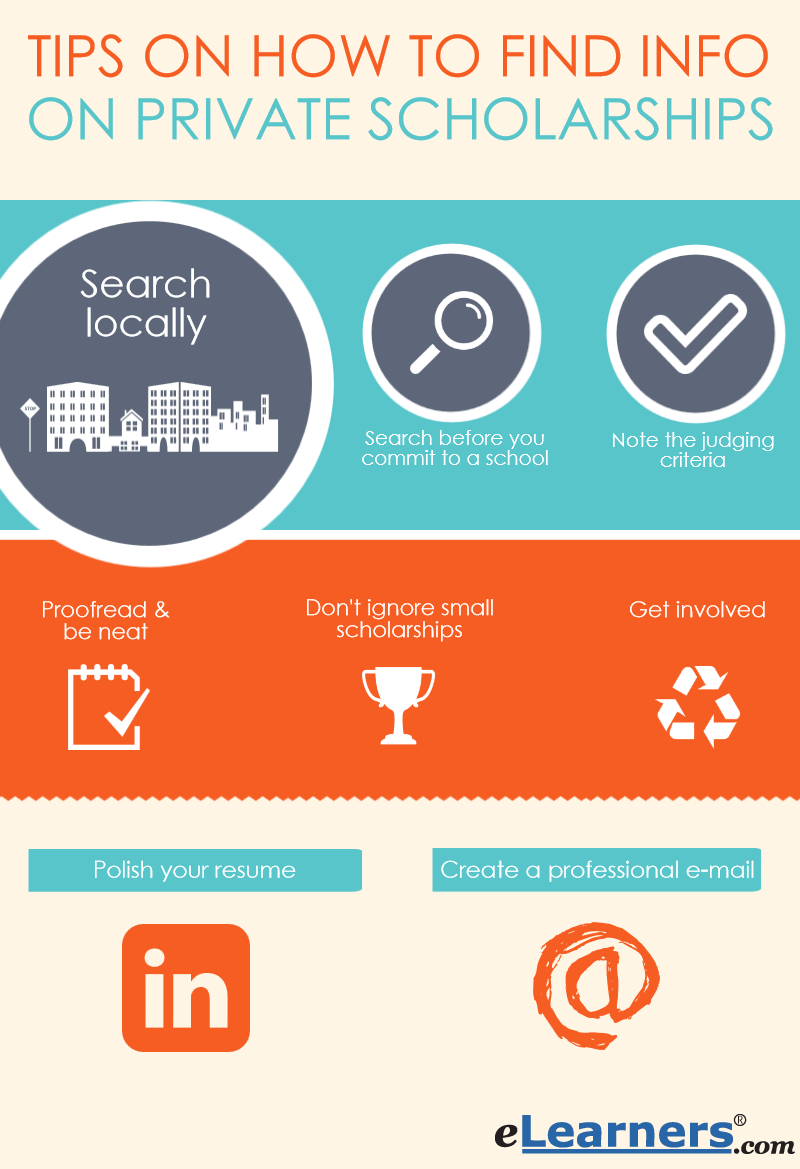
The first hurdle was understanding where these scholarships came from. I learned that many local businesses, like the grocery store down the street or the local Rotary Club, offered small scholarships to students in their community. Community foundations, often lesser-known, were goldmines. These foundations are set up to support various causes within a specific geographic area, and education is often a big one. They might offer scholarships based on residency, field of study, or even family circumstances. My local high school guidance counselor, a wonderful woman named Mrs. Davies, became another invaluable resource. She had a binder full of local opportunities that never made it onto the big national websites. She emphasized looking close to home first, as these often have fewer applicants and a higher chance of success.
Then there were the professional organizations. If you have an idea of what you want to study – say, engineering, nursing, or teaching – there’s likely a professional association dedicated to that field. Many of these associations offer scholarships to students pursuing studies in their area. It’s their way of investing in the next generation of professionals. My friend, Mark, who wanted to study journalism, found a scholarship through a regional journalists’ association. It wasn’t a huge amount, but combined with others, it made a real difference.
Another surprising source was parents’ employers. Many companies, large and small, offer scholarships to the children of their employees. It’s a perk, a way to support their workforce. My dad’s company, a relatively small manufacturing plant, had a scholarship fund I never knew about until he mentioned it casually over dinner. It turned out to be one of the easier ones to apply for, simply because the applicant pool was so small. Religious organizations, too, often have scholarship programs for their members or for students who align with their values.
Once I started finding these opportunities, the next big challenge was the application itself. This is where many people get intimidated and give up. It’s true, each application takes time and effort. But I quickly realized that a thoughtful, well-crafted application was my best weapon. It wasn’t just about my grades; it was about telling my story.
The essay, oh, the essay! This was the part that often stumped me. Each scholarship seemed to ask a different question: "Describe a challenge you’ve overcome," "Why are you passionate about your chosen field," "How will you contribute to your community?" I quickly learned that generic essays wouldn’t cut it. Each essay needed to be tailored specifically to the prompt and, if possible, to the values of the organization offering the scholarship. I started by brainstorming personal anecdotes that related to common themes like leadership, perseverance, community service, and academic interest.
My strategy became this: I’d read the prompt carefully, then think about a specific moment or experience in my life that illustrated my answer. For example, when asked about overcoming a challenge, I didn’t write about getting a bad grade. Instead, I wrote about organizing a community fundraiser after a local flood, detailing the obstacles I faced and how I learned to rally people together. It wasn’t just about what happened, but what I learned and how it shaped me. I tried to inject my personality into every word, making sure it sounded like me talking, not some stiff, formal robot. And perhaps the most crucial step, one I almost skipped several times: I proofread. Then I had my mom proofread. Then I had a friend proofread. A simple typo can make an otherwise brilliant essay look careless.
Letters of recommendation were another key piece. I learned early on not to just ask any teacher. I asked teachers who knew me well, who had seen me grow, and who could speak to my character, work ethic, and unique qualities beyond just my grades. I approached them well in advance, giving them at least two weeks, sometimes more. And here’s a tip I wish someone had told me sooner: provide them with a "brag sheet." This is a simple document outlining your achievements, extracurriculars, volunteer work, and any specific scholarships you’re applying for and why. It gives them concrete examples to include in their letter, making their job easier and their recommendation stronger.
My GPA and transcripts were important, of course. Many scholarships have a minimum GPA requirement. But I also learned that a perfect 4.0 wasn’t always necessary. Some scholarships prioritized community involvement, unique talents, or even financial need over academic perfection. If my GPA wasn’t sky-high, I made sure my essay and activities highlighted my strengths in other areas. I once applied for a scholarship for students interested in environmental conservation. My grades were good, but what really stood out was my involvement in a local park cleanup initiative and my passion for sustainable living, which I wove into my essay.
Extracurricular activities and volunteer work also played a massive role. These weren’t just checkboxes; they were evidence of my interests, my commitment, and my willingness to contribute beyond the classroom. Whether it was playing in the school band, volunteering at the animal shelter, or being part of the debate team, each activity showed a different facet of my personality and skills. I learned to articulate what I did and, more importantly, what I gained from each experience in my application materials. It wasn’t just "member of the debate club," but "developed critical thinking and public speaking skills as a member of the debate club, participating in X competitions."
My journey was not a straight shot. There were countless rejections. Emails that started with "Thank you for your application, but…" became a familiar sight. It was discouraging, I won’t lie. There were moments I wanted to throw my hands up and just accept the mountain of debt. But then I’d remember the tuition bill, and that fear would reignite my resolve. I learned that each rejection wasn’t a failure, but a redirection. It meant that scholarship wasn’t the right fit, or perhaps someone else’s story resonated more. It didn’t diminish my worth or my potential. I just had to keep trying.
One of the biggest pitfalls I encountered was scholarship scams. These are unfortunately out there, preying on hopeful students. I learned to be wary of any scholarship that asked for money to apply, guaranteed a win, or asked for sensitive personal information like my bank account number upfront. Legitimate scholarships never ask for money to apply. They are gifts, not services you pay for. A good rule of thumb: if it sounds too good to be true, it probably is. I stuck to reputable websites and organizations.
Another mistake I made early on was not customizing my applications enough. I’d try to use the same essay for several different scholarships, just tweaking a few words. This rarely worked. The organizations providing scholarships want to see that you’ve put thought into their specific opportunity and that you understand what they value. It takes more time, yes, but the payoff is significantly higher. Think of it like a job application: you wouldn’t send the same generic resume to every company, would you?
The "winning" mindset became crucial. It wasn’t about being the smartest or the most accomplished. It was about persistence, resilience, and treating the scholarship search like a part-time job. I set aside dedicated time each week to research, write, and submit applications. Some weeks I’d find only one relevant scholarship; other weeks, five. The key was consistency. Even small scholarships, like $500 or $1,000, added up quickly. Don’t dismiss these smaller awards; they often have fewer applicants than the big ones. A collection of small wins can be just as impactful as one large one.
When I finally received my first "Congratulations!" email, I almost cried. It was for $1,500 from a local women’s club, based on my volunteer work and an essay about empowering young girls. It wasn’t the full tuition, but it was real money, and it was proof that my efforts were paying off. That first win fueled my motivation to apply for even more. Over the next few months, more acceptances started trickling in. Some were small, some were larger, but each one chipped away at that daunting tuition figure.
What happens after you win? I learned that a thank-you note is not just good manners, but often a requirement and a way to build goodwill. These organizations are investing in you, and showing gratitude reinforces their mission. Sometimes, they might even follow up with you, offering mentorship or other opportunities. I also made sure to understand the terms of each scholarship – how the money would be disbursed (directly to me, or to the university?), and if there were any ongoing requirements, like maintaining a certain GPA. Using the funds wisely, of course, was paramount. Most scholarships are specifically for tuition, fees, books, and living expenses related to education.
Looking back, the world of private scholarships wasn’t a secret club at all. It was an open invitation, waiting for me to step forward. It required hard work, patience, and a willingness to put myself out there, but it was one of the most rewarding experiences of my life. It wasn’t just about the money; it was about the confidence I gained, the stories I told, and the skills I developed in the process.
To anyone staring at those overwhelming college costs, feeling like I did at my kitchen table, I want to share this: don’t give up. The money is out there. It might not come in one big check, but in a series of smaller, hard-earned victories. Start your search, tell your story, be persistent, and don’t be afraid to ask for help. Your unique path, your experiences, and your dreams are valuable. There’s a scholarship out there waiting to invest in them. Go find your quiet path to debt-free college. It’s an adventure worth taking.