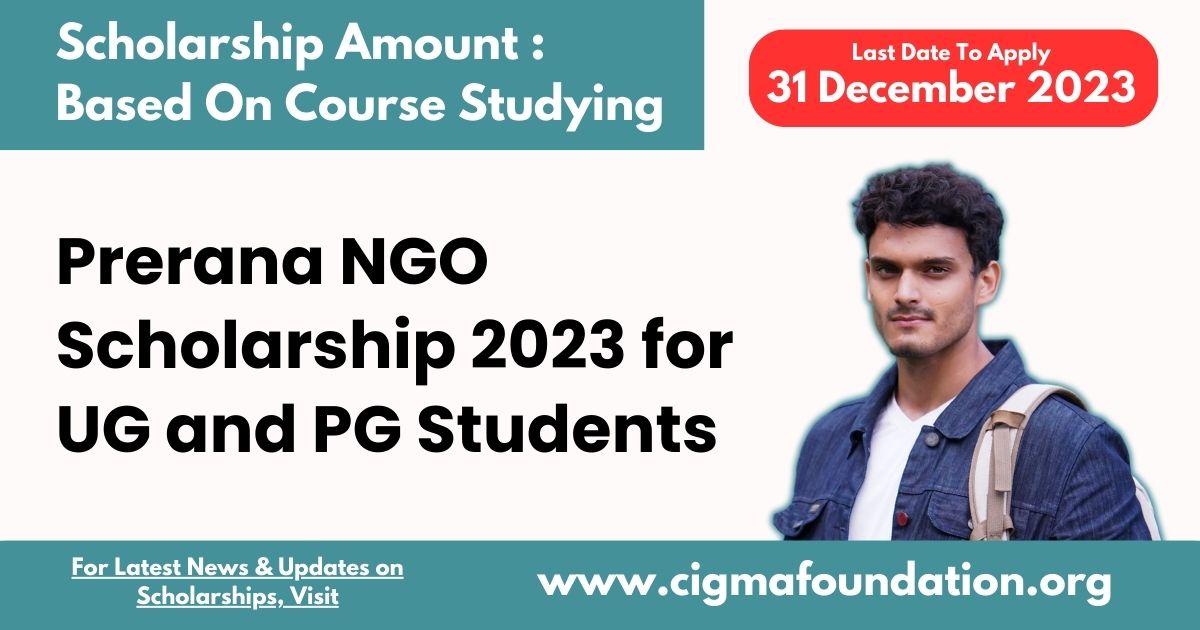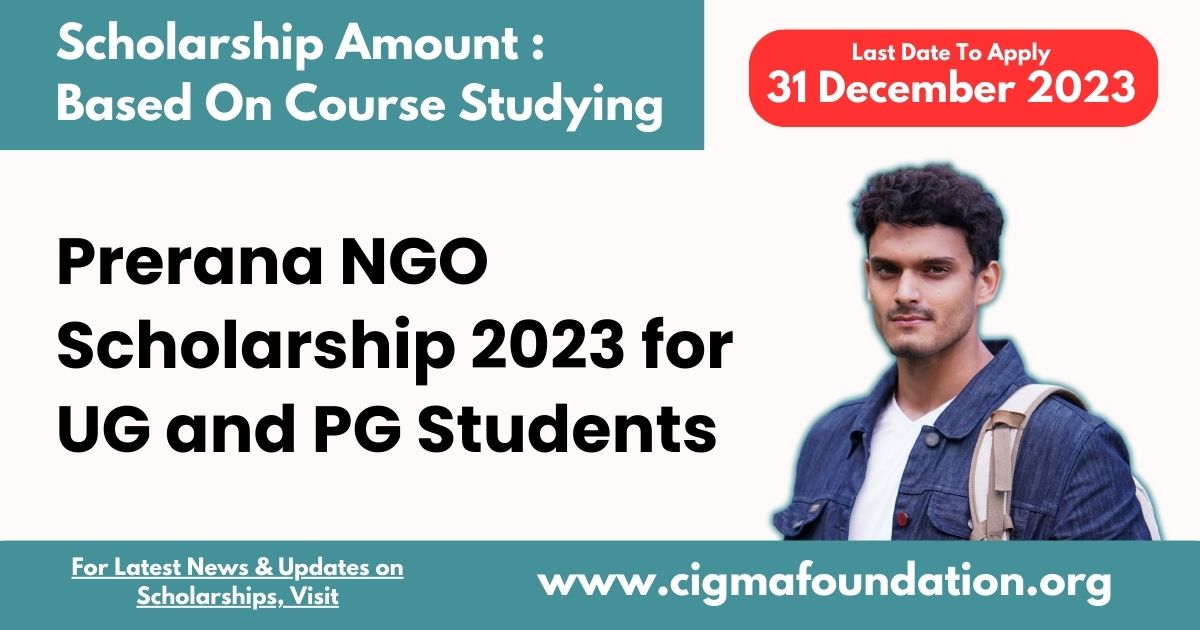

I remember a time when the weight of my aspirations felt heavier than my shoulders could bear. The dream of higher education, a brighter future, was always there, a flickering candle in the distance, but the path to reach it seemed shrouded in an impenetrable fog of financial impossibility. My family, like many others, struggled to make ends meet. Tuition fees, living expenses, books – it all added up to a mountain I simply couldn’t climb on my own. It was a disheartening reality that many bright, eager minds face around the world. But then, I stumbled upon a lifeline, a concept that would redefine my future: NGO scholarships.
Before that moment, my understanding of scholarships was limited to academic excellence awards from universities or government grants. The idea that a non-governmental organization, a charity, a group driven by a specific mission, would invest in an individual’s education was a revelation. It wasn’t just about my grades, though those mattered, it was about my potential, my story, and how my education could contribute to a larger cause. This distinction, I soon learned, is what makes NGO scholarships so uniquely powerful and often more accessible than many people realize.
What Exactly Are NGO Scholarships? A Personal Discovery
An NGO, or Non-Governmental Organization, is a non-profit group that functions independently of any government. They are typically funded by donations, grants, and volunteers, and their missions are diverse: environmental protection, human rights advocacy, poverty alleviation, health initiatives, and, crucially for me, education. Many NGOs recognize that education is a fundamental tool for empowerment, development, and achieving their broader goals. That’s where NGO scholarships come into play. They are funds provided by these organizations to support students who align with their mission or come from backgrounds that the NGO aims to assist.
My journey began with a desperate search, late nights spent hunched over a borrowed computer, typing variations of "education grants," "financial aid for students," and eventually, "non-profit scholarships" and "charity scholarships." It was like digging for treasure, and initially, I found more rocks than gold. But I persisted, driven by the image of that flickering candle. What I started to notice was a pattern: many NGOs focused on specific fields of study, particular demographics, or geographic regions. This wasn’t a one-size-fits-all solution; it was about finding the right fit, like a key to a specific lock.
Why Do NGOs Offer Scholarships? More Than Just Money
Understanding the "why" behind these scholarships was crucial for my application strategy. It wasn’t just about them giving money away; it was about investment. NGOs are mission-driven. If an organization’s mission is to promote sustainable agriculture, they might offer scholarships to students pursuing degrees in agricultural science, environmental studies, or rural development. If their focus is on empowering women, they might fund young women pursuing STEM fields or leadership roles.
For me, the NGO I eventually connected with had a strong focus on community development and providing opportunities for students from disadvantaged backgrounds who demonstrated leadership potential. They believed that by investing in individuals like me, they weren’t just funding a degree; they were nurturing future leaders, thinkers, and changemakers who would, in turn, contribute back to their communities. This realization transformed my approach. It wasn’t just about asking for help; it was about showing how I could be an asset to their mission, how my education would amplify their impact.
The Hunt: Where I Found My Opportunities
Finding NGO scholarships can feel like a scavenger hunt, but it’s a hunt worth embarking on. I started broad and then narrowed my focus. Here are some of the avenues I explored, which I hope can guide you too:
- Online Scholarship Databases: Websites like Scholarship.com, Fastweb, Cappex, and even specific regional ones often list scholarships from various sources, including NGOs. The key is to use specific keywords like "NGO scholarships for ," "non-profit education grants," or "charity scholarships for ."
- Directly on NGO Websites: This was a significant breakthrough for me. Once I identified NGOs working in areas I was passionate about (like education equality or community empowerment), I went directly to their websites. Many have a dedicated "Scholarships," "Grants," or "Programs" section. This often gives you the most direct and up-to-date information.
- Local Community Centers and Libraries: Don’t underestimate local resources. Community centers, often supported by various grants and local NGOs, can be treasure troves of information. Librarians are also fantastic resources for finding local and national scholarship directories.
- University Financial Aid Offices: Even if you haven’t been accepted yet, or if you’re already enrolled, your university’s financial aid or international student office might have lists of external scholarships, including those from NGOs that have previously supported their students.
- Professional Associations and Networks: If you have a specific career path in mind (e.g., engineering, nursing, social work), look into professional associations related to that field. Many have their own scholarship programs or can point you to NGOs that do.
- Word-of-Mouth and Mentors: Talking to teachers, counselors, community leaders, and people already working in your desired field can open doors. Someone might know about a lesser-known NGO scholarship that perfectly fits your profile.
I found my scholarship through a combination of relentless online searching and a tip from a former teacher who knew about a regional NGO focused on youth leadership. It felt like finding a needle in a haystack, but the joy of that discovery was immense.
Crafting My Story: The Application Process
Applying for NGO scholarships is more than just filling out forms; it’s about telling your story and connecting it to the NGO’s mission. Each application required time, thought, and a good deal of introspection.
- Eligibility is Key: The very first step was always to meticulously check the eligibility criteria. Age limits, academic requirements, nationality, field of study, financial need, and community involvement were common factors. If I didn’t meet a single essential criterion, I moved on. There was no point wasting precious time.
- The Personal Statement/Essay: This was, arguably, the most critical part. Unlike academic scholarships that might focus solely on your GPA, NGO scholarships often want to know who you are and why you care. I poured my heart into my essays. I didn’t just list my achievements; I wove a narrative. I talked about the challenges I faced, the moments that ignited my passion for learning, and how my education would not only benefit me but also allow me to contribute positively to society, aligning with the NGO’s goals. I focused on authenticity, vulnerability, and a clear vision for my future. I remember writing about how my grandmother’s dream for me fueled my ambition and how this scholarship wasn’t just for me, but for her, for my community, a way to break a cycle.
- Recommendation Letters: Most applications required one or two letters of recommendation. I carefully chose teachers and mentors who knew me well, could speak to my character, academic abilities, and leadership potential. I made sure to provide them with my resume, a draft of my personal statement, and clear instructions on the scholarship’s focus and deadline. This made their job easier and ensured the letters were tailored and impactful.
- Transcripts and Academic Records: While not always the sole focus, good academic standing is often a prerequisite. I made sure my transcripts were up-to-date and submitted them promptly.
- Proof of Financial Need: Many NGO scholarships are need-based. This required gathering financial documents from my family, which could be sensitive but necessary. Transparency and honesty were paramount here.
- Resume/CV: Even as a student, I crafted a resume highlighting my volunteer work, any part-time jobs, leadership roles in school clubs, and relevant skills. It showed initiative and a willingness to contribute.
- Interviews: For the final few candidates, interviews were common. These weren’t just about answering questions; they were about demonstrating passion, articulate communication, and a genuine connection to the NGO’s mission. I practiced answering common questions, thought about how to convey my sincerity, and prepared questions to ask them, showing my engagement.
I learned that generic applications rarely succeed. Each one had to be tailored, demonstrating a clear understanding of the specific NGO’s mission and how my aspirations aligned with theirs. It was about showing them that investing in me was investing in their cause.
The Moment of Truth: Receiving the Scholarship
I still remember the day the email arrived. My hands trembled as I opened it. Reading the words "Congratulations! We are delighted to inform you…" felt like the sun finally breaking through that dense fog. It wasn’t just financial relief; it was validation. It was proof that my dreams weren’t just mine; they were shared by an organization that believed in the power of education and the potential of people like me.
The scholarship covered my tuition fees, provided a stipend for living expenses, and even offered mentorship opportunities. This wasn’t just a check; it was a comprehensive support system. The financial burden lifted immediately, allowing me to focus entirely on my studies without the constant worry of how I would pay for the next semester.
Beyond the Money: The True Value of NGO Scholarships
While the financial assistance was life-changing, the true value of an NGO scholarship extended far beyond money.
- Mentorship and Networking: My scholarship came with a dedicated mentor from the NGO. This person became an invaluable guide, offering advice on my studies, career path, and even personal development. I also gained access to a network of fellow scholars and professionals connected to the NGO, opening doors I never knew existed. These connections were gold, offering insights and opportunities that money couldn’t buy.
- Community and Purpose: Being part of an NGO’s scholarship program often means joining a community. I met other scholars from diverse backgrounds, all united by a shared opportunity and a drive to make a difference. We supported each other, shared experiences, and formed lasting friendships. This sense of belonging, of being part of something bigger than myself, was incredibly motivating.
- Developing Leadership Skills: Many NGO scholarship programs actively encourage leadership and community involvement. Through workshops, volunteer opportunities, and projects supported by the NGO, I honed my leadership skills, learned about project management, and understood the nuances of creating positive change.
- A Deeper Sense of Responsibility: Receiving an NGO scholarship instilled in me a profound sense of gratitude and responsibility. I wasn’t just studying for myself; I was representing the NGO, its mission, and the trust they placed in me. This motivated me to excel academically and to actively seek ways to give back, even while still studying. I volunteered for their outreach programs, shared my story with prospective scholars, and tried to embody the values they championed.
Making the Most of Your Opportunity
If you are fortunate enough to secure an NGO scholarship, remember that it’s just the beginning.
- Stay Connected: Maintain regular communication with the NGO. Share your academic progress, thank them for their support, and participate in any events or programs they offer.
- Excel in Your Studies: This is paramount. Show them their investment was worthwhile by performing well academically.
- Engage with Their Mission: Look for opportunities to volunteer, intern, or otherwise contribute to the NGO’s mission. This deepens your connection and demonstrates your commitment.
- Be an Ambassador: You are a living testament to the NGO’s impact. Share your story respectfully and inspire others.
- Pay It Forward: As you progress in your career, remember the hand that helped you up. Look for ways to mentor others, donate, or advocate for similar causes.
My Message to You: Don’t Give Up
My journey through NGO scholarships wasn’t a straight line. There were rejections, moments of doubt, and times I felt overwhelmed. But the persistence paid off. Today, I stand as a testament to the transformative power of these opportunities. My education not only opened doors to a fulfilling career but also shaped me into a more empathetic, engaged, and responsible individual.
If you are reading this and feel that familiar ache of ambition coupled with financial constraint, please, do not give up. NGO scholarships are out there, waiting for passionate, determined individuals like you. They are not just about financial aid; they are about believing in potential, fostering change, and building a brighter future, one educated mind at a time. Start your search, tell your story, and embrace the possibility that an NGO out there is ready to invest in your dream. Your journey could be just as inspiring as mine. The candle is flickering; reach out and grab it.