
I remember staring out my window, the same grey sky, the same familiar streets. My university life was comfortable, predictable, and frankly, a little too small for the big dreams rattling around in my head. I craved something more, a wider horizon, a different kind of challenge. But how? My family wasn’t wealthy, and the idea of studying abroad felt like a fantasy, something only for people with trust funds and connections. Then, a whisper started circulating in the student common rooms, a name I’d heard before but never really understood: Erasmus. It sounded almost mythical, a secret passage to another life. And little did I know, that whisper was about to become the loudest, most life-altering invitation I would ever receive.
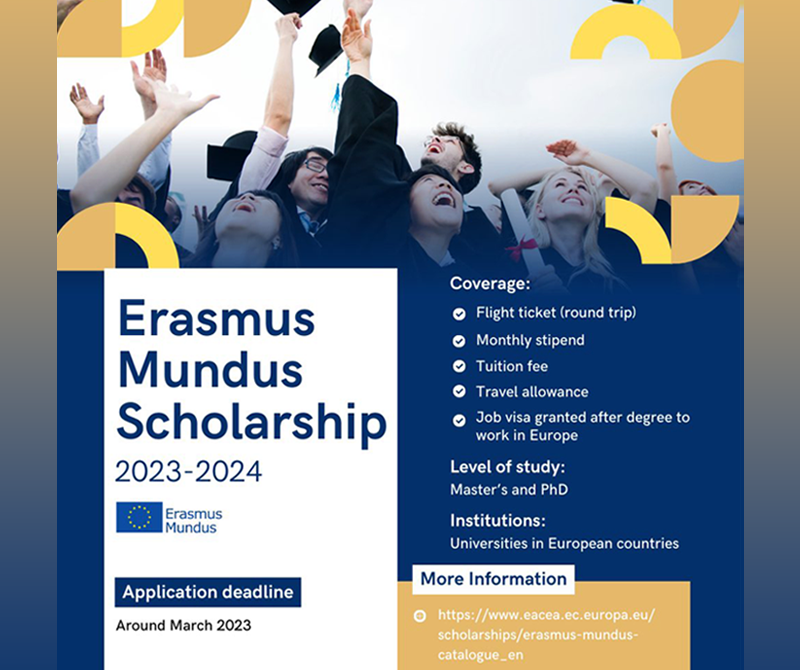
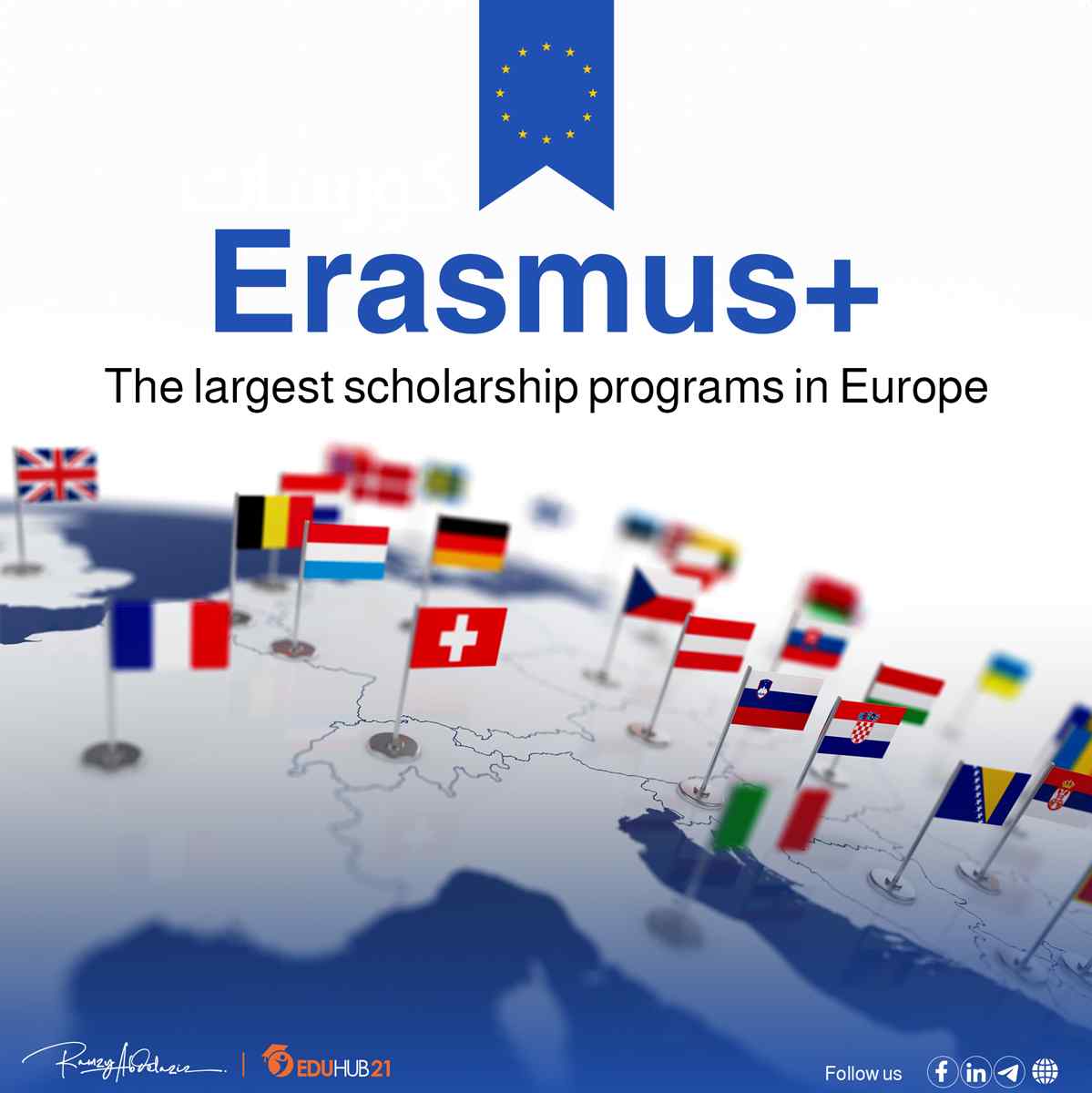
Erasmus, or more formally, Erasmus+, is Europe’s flagship program for education, training, youth, and sport. But for a student like me, it wasn’t just a program; it was a lifeline, a chance to step out of my comfort zone and truly see the world. It’s essentially a scholarship that allows students from participating countries to study or intern abroad in another European country. The most incredible part? It’s often fully funded, covering tuition fees, providing a monthly stipend for living costs, and even contributing to travel expenses. This wasn’t just a scholarship; it was an enabler of dreams, a key to a world I thought was out of reach.
My journey began with a healthy dose of skepticism mixed with desperate hope. I started digging, sifting through university websites, student forums, and even old blog posts from former Erasmus students. The more I read, the more real it became. It wasn’t just for academic superstars; it was for anyone with a genuine desire to learn, grow, and immerse themselves in a new culture. That’s where my first piece of advice comes in: don’t count yourself out before you even start. If you have the drive, the Erasmus scholarship could be for you.
The application process felt like climbing a mountain. It wasn’t just one application; it was applications to my home university, then to the host university, all while navigating a labyrinth of documents. First, I had to choose where I wanted to go. This was both exciting and terrifying. So many countries, so many cities, each with its own charm and academic offerings. I spent weeks researching universities that offered courses relevant to my degree, in cities that sparked my curiosity. I considered language barriers – my English was decent, but my German was non-existent. Many programs are taught in English, which was a huge relief. I eventually narrowed it down to a university in the Netherlands, a country known for its innovation and welcoming attitude towards international students.
Next came the paperwork. Oh, the paperwork! Transcripts, learning agreements (a detailed plan of the courses I’d take abroad, approved by both universities), proof of language proficiency (usually an IELTS or TOEFL score, though some universities accept internal assessments), and perhaps the most daunting part: the motivation letter. This wasn’t just a formality; it was my chance to tell my story, to explain why I deserved this incredible opportunity. I poured my heart into it, describing my aspirations, my eagerness to embrace new cultures, and how an Erasmus experience would shape my academic and personal future. I talked about my desire to gain a global perspective on my field of study and my commitment to being a cultural ambassador for my home country. I spent days refining every sentence, making sure it sounded authentic and passionate, not just like a list of achievements. I also needed recommendation letters from professors who knew me well. This meant asking early and providing them with all the necessary information, including my motivation letter, so they could write a strong, personalized endorsement.
The waiting period was agonizing. Every email notification made my heart pound. I tried to distract myself, but the dream of Erasmus had taken root, and it was hard to think about anything else. Then, one sunny afternoon, an email arrived with the subject line, "Erasmus+ Acceptance Notification." My hands trembled as I opened it. "Congratulations!" the first line read. I remember letting out a whoop that probably startled my entire neighborhood. I had done it. I was going to the Netherlands!
The months leading up to departure were a whirlwind of logistics and excitement. Visa applications, securing accommodation (often a challenge, so start early!), packing lists that seemed to grow endlessly, and countless goodbyes to friends and family. There were moments of fear – what if I didn’t make friends? What if I got lost? What if I hated it? But beneath those fears, a stronger current of anticipation flowed. I was about to embark on the biggest adventure of my life.
Arriving in a new country for the first time is an experience that stays with you forever. The air smelled different, the sounds were unfamiliar, and even the light seemed to have a different quality. My first few days were a blur of navigating public transport, deciphering grocery store labels, and trying to understand rapid-fire Dutch conversations. It was overwhelming, exhilarating, and slightly terrifying all at once. The university organized an orientation week, which was a lifesaver. This is where I met other Erasmus students – from Spain, Italy, France, Germany, Poland, and countless other countries. We were all in the same boat: a little lost, incredibly excited, and eager to connect. These initial friendships were crucial, forming a support network that would see us through homesickness, academic challenges, and countless adventures.
Academic life in the Netherlands was different from what I was used to. The teaching style was more interactive, encouraging critical thinking and independent research. Group projects were common, forcing me to collaborate with students from diverse academic backgrounds and cultural perspectives. This was challenging at times, learning to bridge communication gaps and understand different work ethics, but it was also incredibly enriching. It taught me adaptability, negotiation skills, and how to articulate my ideas more clearly to a global audience. I wasn’t just learning about my subject; I was learning how to learn in a completely new environment.
But Erasmus is so much more than just academics. It’s about cultural immersion. It’s about trying new foods that you can’t even pronounce, dancing to music you’ve never heard before, and learning bits and pieces of different languages from your new friends. I learned to say "dank u wel" (thank you) in Dutch, "grazie" in Italian, and "hola" in Spanish. These small gestures opened doors and forged connections. I spent weekends exploring quaint Dutch towns, cycling through tulip fields, and visiting world-class museums. During longer breaks, I hopped on trains and cheap flights with my Erasmus friends, discovering the ancient ruins of Rome, the vibrant streets of Berlin, the romantic canals of Venice, and the stunning architecture of Prague. Each trip was a lesson in history, geography, and human connection. We shared hostel rooms, navigated foreign train stations, and laughed until our sides hurt. These shared experiences forged bonds that felt like family.
Of course, it wasn’t always a postcard-perfect dream. There were moments of genuine struggle. Homesickness hit hard sometimes, especially during holidays. The language barrier, even in an English-speaking environment, could be frustrating when trying to deal with administrative tasks or understand local nuances. There were academic pressures, budgeting challenges, and the occasional feeling of being an outsider. But these challenges were part of the growth process. They forced me to be resilient, to problem-solve, to ask for help, and to develop a level of independence I never knew I possessed. Every time I overcame a hurdle, my confidence soared. I learned that I was capable of much more than I had ever imagined.
Looking back, the Erasmus scholarship wasn’t just about studying abroad; it was a catalyst for personal transformation. It broadened my perspective in ways I couldn’t have conceived. I learned to appreciate different cultures, to challenge my own preconceptions, and to see the world not as a collection of separate nations, but as a wonderfully interconnected tapestry of humanity. It taught me invaluable soft skills: adaptability, cross-cultural communication, problem-solving, and a profound sense of self-reliance. These skills are not just buzzwords on a resume; they are fundamental qualities that enrich every aspect of life.
When I returned home, I wasn’t the same person who had left. My worldview had expanded, my confidence had grown, and I had a newfound appreciation for both my own culture and the diversity of others. My resume now boasted international experience, cross-cultural communication skills, and a global network of friends. These experiences undoubtedly played a significant role in my career trajectory, opening doors to opportunities that valued an international outlook. More importantly, it gave me a richer, more vibrant understanding of myself and my place in the world.
For anyone out there dreaming of a similar adventure, here are some practical tips from someone who’s been through it:
- Start Early: The application process takes time. Research programs, prepare documents, and apply well in advance of deadlines.
- Research Thoroughly: Don’t just pick a country; look into specific universities and programs that align with your academic goals. Check the language of instruction.
- Craft a Stellar Motivation Letter: This is your chance to shine. Be authentic, passionate, and clearly articulate why you want to go and what you hope to gain. Connect your aspirations to the specific program and host country.
- Secure Strong Recommendation Letters: Choose professors who know you well and can speak to your academic abilities and character. Give them ample time and provide them with your CV and motivation letter.
- Be Organized: Keep track of all documents, deadlines, and communications. A simple spreadsheet can be your best friend.
- Don’t Underestimate Language Skills: Even if your program is in English, learning basic phrases in the local language will greatly enhance your experience and show respect for the host culture.
- Budget Wisely: While the scholarship provides a stipend, living costs can vary. Research the cost of living in your chosen city and create a realistic budget. Look for student discounts.
- Be Open and Flexible: Things won’t always go according to plan. Embrace the unexpected, be open to new experiences, and be flexible in your approach to challenges.
- Engage with the Community: Participate in orientation events, join student clubs, and make an effort to connect with both international and local students. These connections are invaluable.
- Embrace the Culture Shock: It’s a real thing, but it’s part of the growth. Lean into it, try to understand, and remember that everyone around you is probably experiencing some version of it too.
The Erasmus scholarship is more than just a financial aid program; it’s an investment in your future, an opportunity to rewrite your story, and a gateway to a global community. It’s an invitation to step beyond the familiar, to challenge yourself, and to discover capabilities you never knew you had. If you’re like me, staring out that window, wondering if there’s more to life, I urge you to take that leap. The application might seem daunting, the logistics might feel overwhelming, but trust me, every single effort is worth it. The memories, the friendships, the knowledge, and the profound personal growth you’ll gain will stay with you for a lifetime, enriching every path you choose to take. My Erasmus odyssey changed my life in ways I never imagined, and I truly believe it can do the same for you. Go for it. Your world is waiting.