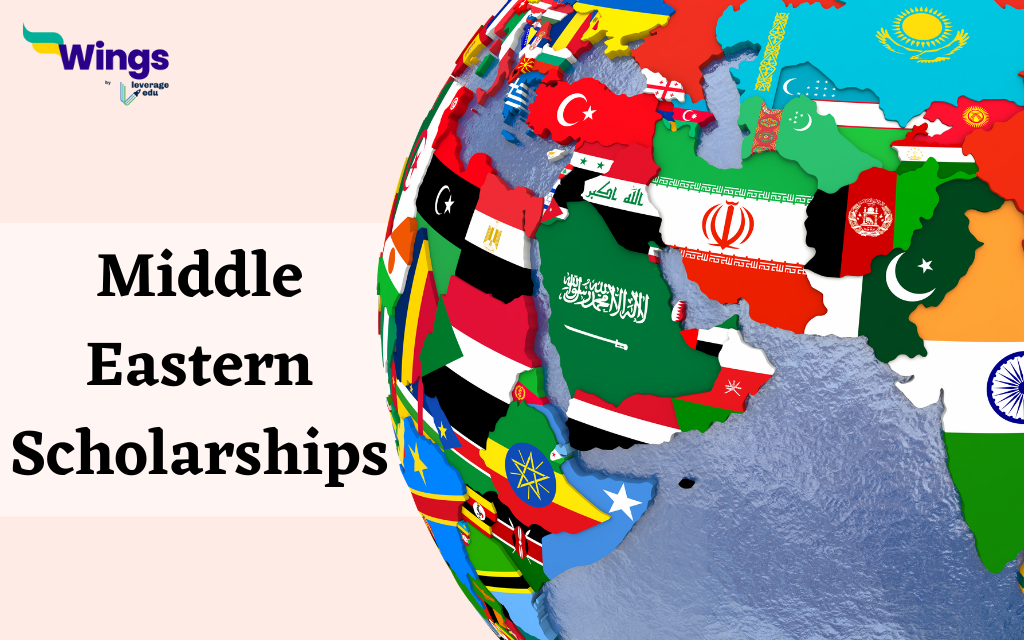

It wasn’t a sudden flash of inspiration, more like a slow, simmering curiosity that eventually boiled over. I remember staring at my laptop screen, the cursor blinking impatiently, as I typed "scholarships Middle East." The idea felt audacious, a leap into the unknown, a world away from the familiar. Growing up, the Middle East was often depicted in headlines, rarely as a vibrant hub of learning and opportunity. But something inside me whispered, "What if?" What if there was more to discover, more to experience, more to learn than what the evening news suggested? This "what if" became the genesis of an incredible journey, one that transformed my understanding of the world and, more importantly, myself.
My initial search was a chaotic mess of broken links, outdated information, and overwhelming jargon. I felt like an explorer without a map, lost in a desert of data. But I was determined. I envisioned myself not just getting an education, but immersing myself in a culture rich with history, a region bustling with innovation, and a society brimming with warmth. The allure of places like the United Arab Emirates with its futuristic cities, Qatar with its rapidly growing research hubs, or Saudi Arabia with its deep cultural roots and burgeoning educational landscape, pulled me in. I wasn’t just chasing a degree; I was chasing an experience.
The first crucial step, I quickly learned, was defining my "why." Why the Middle East? For me, it was a blend of academic ambition and cultural fascination. I was drawn to the unique blend of tradition and modernity, the opportunity to learn Arabic, and the chance to witness a region undergoing rapid transformation. This clarity became my guiding star, helping me sift through the myriad of options. I realized that merely wanting a scholarship wasn’t enough; I needed to articulate why a scholarship in the Middle East was essential for my growth.
My research began in earnest. I started with the big names, the well-known universities that often appear in global rankings. Websites like Qatar University, King Abdullah University of Science and Technology (KAUST) in Saudi Arabia, Khalifa University and New York University Abu Dhabi in the UAE became my nightly reading. I soon discovered that many countries in the region, keen on attracting global talent and fostering international collaboration, offered incredibly generous scholarships to international students. These weren’t just partial tuition waivers; many were fully funded, covering tuition, accommodation, living stipends, health insurance, and even flights. It felt almost too good to be true, a dream waiting to be claimed.
I also stumbled upon broader government-funded programs, like the Türkiye Bursları (Turkish Government Scholarships), which, while not exclusively Middle Eastern, often serve as a gateway for many international students interested in the broader MENA region due to Turkey’s historical and cultural ties. These programs often had a wider scope, allowing applicants to choose from a vast array of universities and fields of study. It dawned on me that the Middle East wasn’t a monolithic entity; it was a diverse tapestry of nations, each with its own educational priorities and scholarship offerings.
The application process, I won’t lie, was daunting. It felt like climbing Mount Everest, one document at a time. The first hurdle was gathering all the necessary paperwork: academic transcripts from every institution I’d ever attended, letters of recommendation from professors who knew me well, a detailed curriculum vitae (CV) outlining my academic and extracurricular achievements, and proof of English proficiency like IELTS or TOEFL scores. Each document had to be meticulously prepared, often translated, and sometimes notarized. I spent weeks chasing down former teachers and university registrars, politely nudging them for their support.
But the real challenge, the part that truly tested my resolve, was the personal statement or essay. This wasn’t just about listing my achievements; it was about telling my story. It was about articulating my aspirations, explaining why I was a good fit for their program and their country, and demonstrating a genuine understanding of and interest in the Middle East. I wrote countless drafts, each one feeling either too bland or too boastful. I shared them with trusted mentors, friends, and anyone willing to offer a critical eye. I learned to be vulnerable, to highlight not just my strengths but also my desire to learn and grow. I focused on weaving a narrative that connected my past experiences with my future goals, showing how a scholarship in the Middle East was not just a convenience, but a crucial step in my personal and professional development. I emphasized my adaptability, my curiosity, and my commitment to contributing positively to the academic community.
One piece of advice that truly resonated with me during this phase was to tailor every single application. It wasn’t enough to use a generic essay. Each university, each scholarship program, had its own unique values and mission. I researched each institution thoroughly, looking for specific programs, professors, or research areas that aligned with my interests. I made sure my personal statement subtly echoed their mission statements, demonstrating that I had done my homework and genuinely understood what they were looking for. This wasn’t about faking interest; it was about finding genuine points of connection and highlighting them effectively.
Then came the waiting game. Oh, the waiting game! It felt interminable. Days turned into weeks, weeks into months. Every email notification sent a jolt of anxiety through me. There were rejections, of course. Plenty of them. Each one stung, a quiet whisper of doubt trying to creep in. But I had prepared for this. I knew that scholarship applications were highly competitive, and rejection was part of the process. I learned to view each "no" not as a failure, but as redirection, a sign to refine my approach and keep pushing forward. Persistence, I discovered, was just as important as preparation.
And then, one glorious afternoon, an email arrived. The subject line was clear: "Admission and Scholarship Offer." My heart pounded as I opened it. It was from a prestigious university in the UAE, offering a fully funded scholarship for my chosen program. I reread it multiple times, just to make sure I wasn’t dreaming. The relief, the excitement, the sheer joy was overwhelming. All those late nights, all that meticulous planning, all the moments of doubt – they had all led to this. I was going to the Middle East.
Stepping off the plane, the warm desert air enveloped me. It was different, yet immediately captivating. The cityscape, a dazzling array of modern architecture against a backdrop of ancient sands, was breathtaking. My initial days were a whirlwind of orientation sessions, meeting fellow scholarship students from all corners of the globe, and getting acquainted with my new surroundings. The university campus itself was state-of-the-art, equipped with incredible resources and a vibrant international community.
Life as a scholarship student in the Middle East was an immersive experience unlike any other. Academically, the rigor was high, but the support systems were robust. Professors were often leading experts in their fields, bringing global perspectives to the classroom. The international cohort meant discussions were rich with diverse viewpoints, challenging me to think critically and expand my understanding of complex issues. I remember lively debates in lecture halls, collaborative projects with students from Korea, Brazil, Nigeria, and local Emirati students, each interaction broadening my horizons.
Beyond academics, the cultural immersion was profound. I embraced every opportunity to learn. I enrolled in an introductory Arabic language course, fumbling my way through basic greetings and phrases, much to the amusement and encouragement of locals. I visited souqs, explored historical sites, and learned about the intricate traditions of hospitality. I discovered the richness of Middle Eastern cuisine, from fragrant biryani to sweet kunafa. Fridays were often spent exploring different emirates, discovering hidden gems, and experiencing the stark contrast between bustling city life and serene desert landscapes.
Of course, there were challenges. The initial language barrier, despite English being widely spoken in academic and urban settings, sometimes made daily interactions a bit tricky. There were cultural nuances to navigate, subtle differences in social etiquette that I learned through observation and occasional awkward missteps. Homesickness would creep in sometimes, especially during holidays. But these challenges were part of the growth process. They pushed me out of my comfort zone, forcing me to adapt, to be more observant, and to become more resilient. My fellow international students, many of whom were experiencing similar adjustments, became a tight-knit support system, a family away from home.
The financial aspect of being a fully funded scholar was a huge relief. Not having to worry about tuition fees or rent allowed me to focus entirely on my studies and my cultural experience. The monthly stipend, while not lavish, was sufficient to cover my living expenses, allowing me to enjoy local experiences without constant financial stress. It also taught me valuable lessons in budgeting and managing resources responsibly.
Looking back, my journey through Middle East scholarships was more than just obtaining a degree; it was a profound personal transformation. It taught me the value of perseverance, the power of a compelling story, and the incredible richness that comes from stepping outside one’s familiar world. It debunked stereotypes and opened my eyes to a region brimming with warmth, ambition, and intellectual vitality. I forged friendships that spanned continents, gained a global perspective that no textbook could offer, and developed a deep appreciation for cultural diversity.
For anyone out there, staring at their screen, typing "scholarships Middle East," feeling that same flicker of curiosity I once did, I offer this advice:
Start Early: Give yourself ample time for research, document gathering, and essay writing. Deadlines often sneak up on you.
Do Your Homework: Research universities and programs meticulously. Understand their values, faculty research, and what they are looking for in an applicant.
Craft Your Story: Your personal statement is your chance to shine. Make it authentic, compelling, and specific to the scholarship and institution you’re applying for. Show them why you, why them, and why the Middle East.
Get Strong Recommendations: Choose recommenders who know you well and can speak to your academic abilities and character. Provide them with all the information they need.
Polish Your CV: Make sure it’s up-to-date, highlights your achievements, and is tailored to the academic context.
Master the Language: If English isn’t your first language, dedicate time to achieving strong IELTS or TOEFL scores. Some programs might also value basic Arabic proficiency.
Be Persistent and Resilient: Rejection is almost inevitable. Learn from it, refine your approach, and keep applying. Your dream scholarship might just be around the corner.
Network: Once you’re there, engage with fellow students, professors, and locals. These connections are invaluable for your academic journey and future career.
The Middle East is a region of immense potential, offering world-class education and unparalleled cultural experiences. It’s a place where ancient traditions meet cutting-edge innovation, where diverse communities thrive, and where opportunities for growth are abundant. My scholarship journey wasn’t just about finding funding; it was about finding a new path, a new perspective, and ultimately, a new version of myself. If you have that simmering curiosity, that "what if" whispering in your ear, I urge you to listen. Take the leap. The adventure of a lifetime might just be waiting for you.