
There was a time, not so long ago, when the idea of higher education felt like a distant, shimmering mirage. My family, though incredibly supportive, wasn’t in a position to simply write a check for tuition, living expenses, and all the myriad costs that pile up when you dream of university. I remember countless nights staring at the ceiling, the weight of aspiration mixed with a gnawing uncertainty. How was I going to pay for it? It felt like everyone else had a clear path, while mine was shrouded in a thick fog of financial worry. I spent hours sifting through university websites, each one a testament to academic excellence, but also a stark reminder of the hefty price tag. It was overwhelming, a fragmented search across countless pages, and frankly, quite disheartening.
Then, a friend, who was a few years ahead of me and already deep into her studies, casually mentioned, "Have you checked out any scholarship portals?" The phrase hung in the air, a tiny spark in my gloom. "Scholarship… portals?" I repeated, the words feeling foreign yet oddly promising. She explained it wasn’t just about individual university scholarships anymore; there were entire platforms dedicated to collecting and organizing these opportunities from all corners of the globe. It was like someone had taken the tangled mess of my financial fears and offered me a simple, elegant thread to pull.
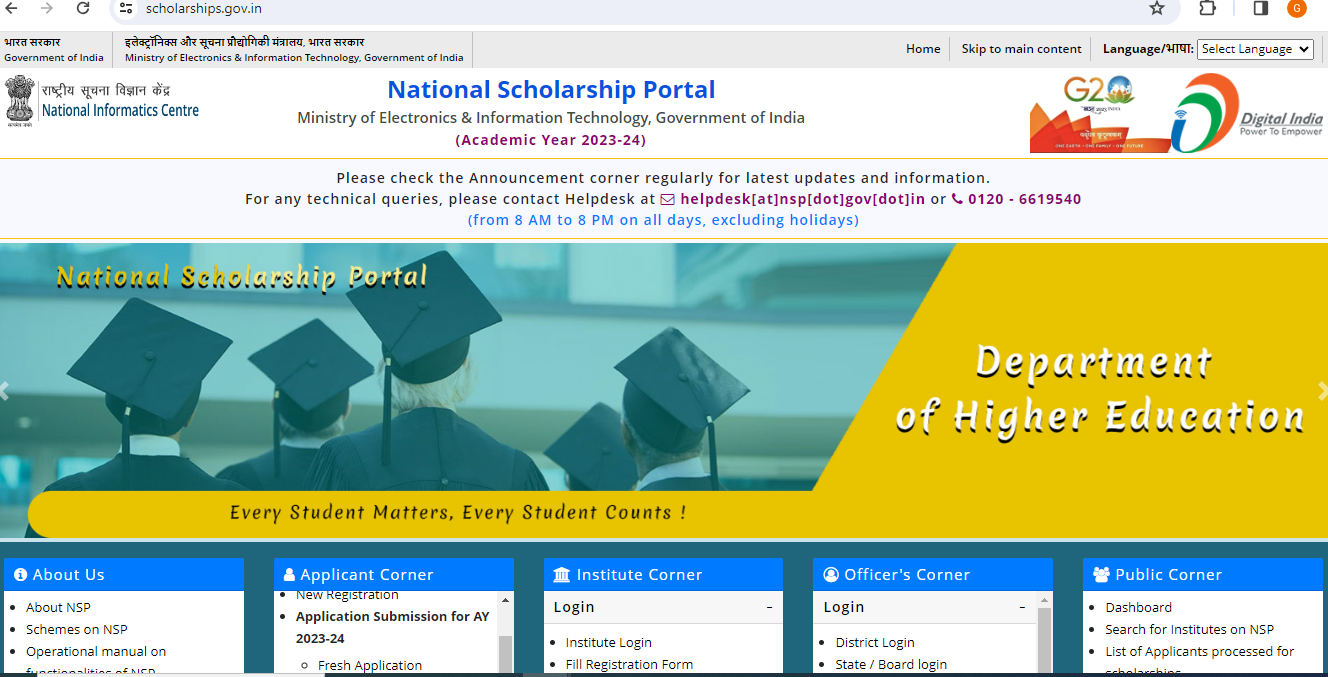
That night, armed with a newfound sense of purpose, I typed "scholarship portals" into my search bar. What unfolded before me was nothing short of revolutionary. Imagine walking into a vast library, not of dusty books, but of opportunities, each one a potential key to unlocking your future. That’s what a scholarship portal felt like to me. It wasn’t just a website; it was a centralized hub, a digital beacon that gathered scholarships from universities, private foundations, government programs, and various organizations, all in one place. No more jumping from one obscure foundation’s website to another, no more squinting at outdated PDFs. Everything was laid out, structured, and surprisingly, within reach.
My initial reaction was a mix of awe and a little bit of apprehension. There were so many scholarships! Thousands, it seemed. How was I supposed to make sense of it all? But then I noticed the filters. Oh, those beautiful filters. This, I quickly learned, was the true power of these portals. You could filter by country of study, by subject area, by degree level (bachelor’s, master’s, PhD), by specific fields of interest, by academic merit, by financial need, even by gender or ethnicity. It was like having a personal assistant who understood exactly what I was looking for, sifting through the noise to present only the most relevant opportunities.
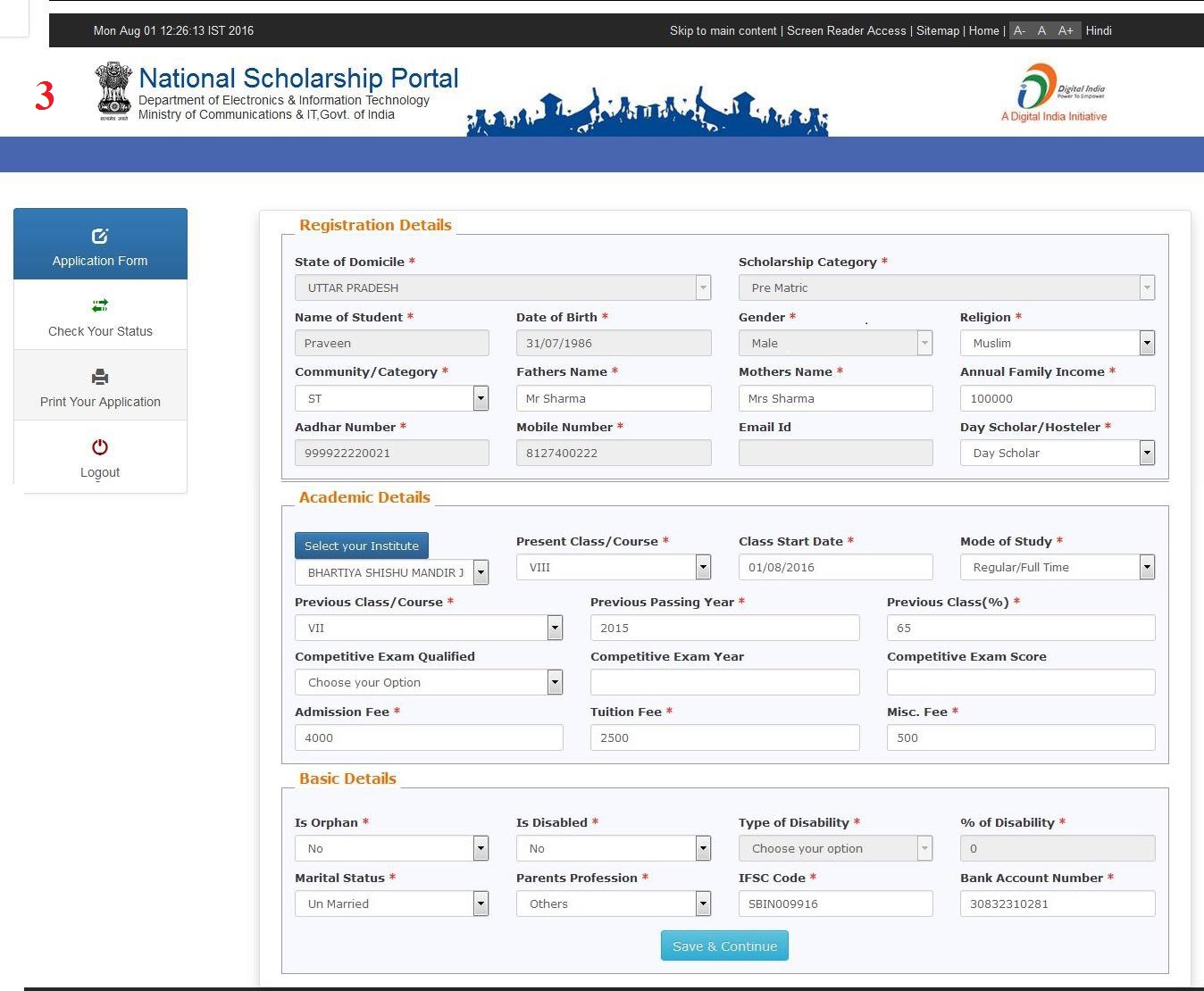
I spent my first few sessions just exploring, clicking around, getting a feel for the landscape. I created a profile, a common first step on most reputable portals. This involved inputting my academic background, my desired field of study, my nationality, and other pertinent details. This profile became my digital resume within the portal, allowing it to suggest scholarships that were a good fit, even before I started actively searching. It was incredibly clever, almost like the portal was learning about me, anticipating my needs.
One of the most immediate benefits I experienced was the sheer efficiency. Before the portal, my scholarship hunt was a fragmented, time-consuming affair. I’d bookmark dozens of pages, scribble notes on scraps of paper, and inevitably lose track of deadlines. With the portal, everything was organized. Each scholarship listing provided a concise overview: who was offering it, what it covered, the eligibility criteria, the required documents, and most importantly, the deadline. Many portals even offered direct links to the application forms or the scholarship provider’s own website, streamlining the entire process. I could save scholarships to a "favorites" list, track my applications, and even set up email alerts for new opportunities that matched my criteria. The feeling of being in control, of having a clear roadmap instead of a foggy path, was incredibly empowering.
As I delved deeper, I started to understand the different flavors of scholarships available. It wasn’t just about being a straight-A student, although merit-based scholarships were definitely a significant category. I found scholarships for students pursuing specific STEM fields, others for those passionate about humanities, and some specifically for individuals from underrepresented backgrounds. There were scholarships tied to community service, athletic achievements, artistic talent, and even some based on unique hobbies or interests. It opened my eyes to the incredible diversity of support out there, proving that there was a place for almost everyone if you knew where to look. The portals made this diversity visible and accessible, highlighting niches I never would have thought to explore on my own.
The application process itself, while still demanding, became much more manageable with the portal’s assistance. For each scholarship, I meticulously read the eligibility requirements. This was a crucial step, one I quickly learned not to skip. There’s no point in spending hours on an application if you don’t meet the basic criteria. Then came the essay, often the most daunting part. Many portals offered resources – articles, guides, even sample essays – on how to craft a compelling personal statement. I remember agonizing over my first few essays, trying to perfectly articulate my aspirations, my struggles, and why I deserved the funding. The portals, in a way, provided a gentle nudge, reminding me to be authentic, to tell my story, and to connect my experiences to the scholarship’s mission. It was about more than just good grades; it was about demonstrating passion, resilience, and a clear vision for the future.
Gathering supporting documents was another logistical challenge that the portals indirectly helped with. While they didn’t collect my transcripts or recommendation letters for me, having all the scholarship requirements laid out clearly helped me create a checklist. I knew exactly what I needed from my teachers, what forms to fill out at my school, and what certificates to dig up. The ability to track deadlines within the portal was a lifesaver. I set reminders for myself, not just for the final submission, but also for when I needed to request letters of recommendation or order official transcripts. Missing a deadline, I learned, was an automatic disqualifier, and the portals helped me stay ahead of that particular pitfall.
Of course, it wasn’t all smooth sailing. There were rejections, plenty of them. Each "we regret to inform you" email felt like a tiny sting, a reminder of the competitive nature of these opportunities. But the portals also taught me resilience. Because there were so many options listed, a rejection from one scholarship didn’t feel like the end of the world. It was simply a signal to move on, to refine my approach, and to apply for the next one. The sheer volume of scholarships available meant that even if the odds were slim for any single one, the cumulative chances of securing some funding increased significantly with persistent effort. It transformed the process from a hopeful gamble into a strategic game.
One of the more subtle, yet profoundly impactful, aspects of using these portals was the sense of community they sometimes fostered. While not all portals have active forums, many feature success stories, testimonials, and even advice sections written by previous scholarship recipients. Reading about other students who had navigated similar challenges and ultimately succeeded was incredibly motivating. It demystified the process, making it feel less like an exclusive club and more like an achievable goal for someone like me. These stories reinforced the idea that persistence pays off and that the journey, with all its ups and downs, was a shared experience.
For anyone just starting out, feeling that familiar knot of financial anxiety, my advice, born from my own journey, is simple: embrace the scholarship portal. Here’s how you can make the most of this unseen compass:
First, start early. Seriously, the earlier you begin, the better. Many scholarships have application windows that open months before the actual deadline. Giving yourself ample time means you can thoroughly research each opportunity, meticulously craft your essays, and gather all necessary documents without last-minute panic.
Second, create a detailed profile. Don’t rush this step. The more information you provide, the better the portal’s recommendation engine will work for you. Include all your academic achievements, extracurricular activities, volunteer work, and any special talents or skills. Think of it as your personal marketing brief.
Third, be specific with your filters. While it’s tempting to browse everything, narrowing down your search by country, major, degree level, and other relevant criteria will save you immense time and focus your efforts on scholarships you genuinely qualify for. Don’t be afraid to experiment with different filter combinations.
Fourth, read everything, and then read it again. Every scholarship has its own unique set of rules and requirements. A tiny detail missed can lead to disqualification. Pay close attention to word counts for essays, specific formatting for documents, and any particular instructions for recommendation letters.
Fifth, tailor each application. This is crucial. While some parts of your application might be reusable (like your resume), your essays and cover letters should always be customized to reflect the specific scholarship’s values and objectives. Explain why you are a good fit for their scholarship, not just any scholarship. Show them you’ve done your homework.
Sixth, proofread mercilessly. A single typo or grammatical error can undermine your credibility. After you’ve written your essay, step away from it for a few hours, or even a day, and then come back with fresh eyes. Better yet, ask a trusted friend, family member, or teacher to review it for you. A second pair of eyes is invaluable.
Seventh, don’t get discouraged by rejections. This is perhaps the hardest piece of advice to follow, but it’s essential. The scholarship application process is competitive. Rejection is a part of the journey. View it as feedback, an opportunity to refine your approach, and a reminder to keep trying. For every "no," there’s another "yes" waiting somewhere else.
Finally, utilize all the portal’s features. Set up email alerts, use the application tracker, explore any available resources like essay guides or interview tips. These tools are designed to make your life easier and increase your chances of success.
Beyond the immediate financial relief, winning a scholarship, even a small one, brings a profound sense of validation and achievement. It’s not just about the money; it’s about knowing that someone believes in your potential, that your hard work has been recognized, and that your dreams are worth investing in. The scholarship portals weren’t just a means to an end for me; they were a catalyst, a silent mentor that guided me through a labyrinth of doubt and financial uncertainty. They transformed my abstract aspiration into a concrete plan, proving that with the right tools and enough persistence, even the most daunting goals can be achieved. My path to higher education, once a blurry, distant dream, became clear, illuminated by the many opportunities these unseen compasses helped me discover. And for that, I am eternally grateful.