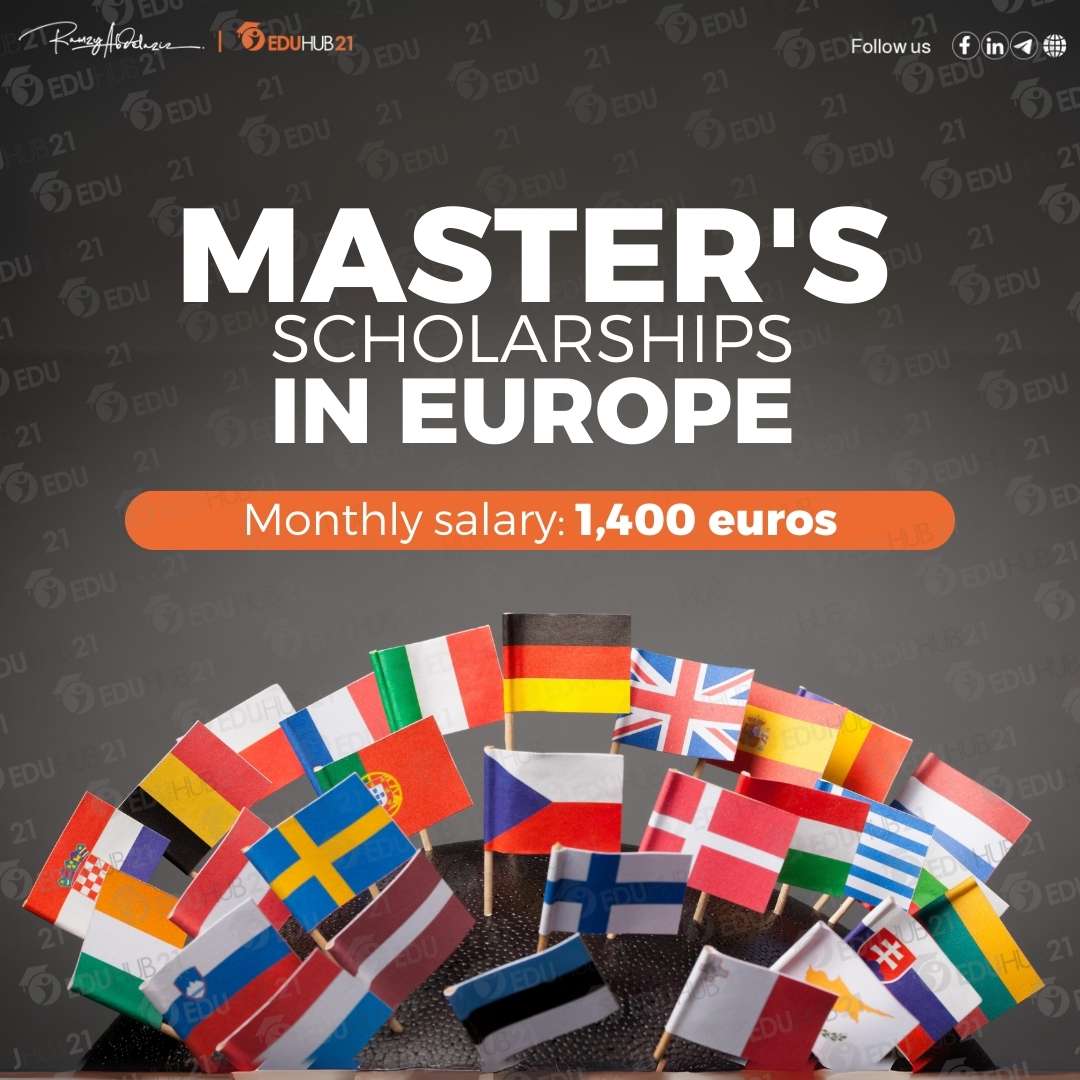
Beyond the Tuition Bill: My Personal Quest for a Master’s Scholarship and the Lessons I Learned

I remember staring at the university website, my cursor hovering over the "Apply Now" button. The dream of pursuing a Master’s degree felt so close, yet impossibly far. The program was perfect, a specialized field that ignited my passion, but the cost? It loomed like a colossal mountain, casting a long shadow over my ambitions. My family, while incredibly supportive, simply didn’t have the means to fund such an endeavor. For a while, I thought that was it. My dream would remain just that – a dream. But then, a quiet whisper in my mind started growing louder: "What about scholarships?"
It wasn’t a revolutionary thought, I know. Everyone talks about scholarships. But for someone like me, who hadn’t come from a background steeped in academic grants or elite institutions, the whole idea felt shrouded in mystery. It seemed like something reserved for the absolute geniuses, the valedictorians, or those with extraordinary connections. I was just… me. A decent student, yes, with a burning desire to learn, but hardly a prodigy. Still, the alternative was giving up, and that wasn’t an option I was willing to entertain. So, with a deep breath and a dose of naive optimism, I decided to embark on what would become one of the most challenging, yet ultimately rewarding, quests of my life: finding a Master’s scholarship.
My initial approach was, to put it mildly, chaotic. I typed "Master’s scholarships" into a search engine, and the sheer volume of results was overwhelming. Pages upon pages of links, some legitimate, many looking like scams, all promising the world. I spent days sifting through them, feeling more confused than enlightened. It was like trying to find a specific grain of sand on an endless beach. I quickly learned that a scattergun approach wouldn’t work. I needed a strategy, a map to navigate this intricate landscape of funding opportunities.
The first crucial lesson I learned was to narrow my focus. Instead of looking for "any" scholarship, I started looking for scholarships relevant to me. This meant considering my field of study (environmental science, in my case), my nationality, the specific universities I was applying to, and even my personal background. For instance, some scholarships target students from developing countries, others focus on women in STEM, and some are dedicated to specific research areas. Knowing these criteria early on saved me countless hours. I created a simple spreadsheet, listing potential scholarships, their deadlines, eligibility requirements, and the documents needed. This became my war room, my command center.
One of the biggest eye-openers for me was realizing that scholarships come in many forms. It wasn’t just about those huge, fully-funded national programs, though those are definitely worth applying for if you meet the criteria. There are also university-specific scholarships, often offered by the institution itself to attract talented students. Sometimes, these are departmental scholarships, meaning your specific academic department might have funds set aside for its Master’s students. Then there are external organizations, foundations, and even private companies that offer funding related to their missions or industries. I remember finding a small scholarship offered by a local environmental group in my home country, which, while not fully funding my degree, would have covered a significant portion of my living expenses. Every little bit truly helps.
The application process itself felt like a marathon of paperwork and self-reflection. Each scholarship required a slightly different set of documents, but there were common threads. My academic transcripts, of course, were always a given. I made sure to have official copies ready, and I also learned the importance of explaining any dips in my grades, rather than just letting them speak for themselves. A brief, honest explanation about a difficult semester or a personal challenge, coupled with evidence of subsequent improvement, can go a long way in showing resilience.
Then came the letters of recommendation. This was a critical piece of the puzzle. I approached professors who knew me well, not just those who gave me good grades. I wanted recommenders who could speak to my character, my work ethic, my passion, and my potential beyond just my classroom performance. I made sure to meet with them, explain my aspirations, the specific program I was applying to, and provide them with my CV and a draft of my statement of purpose. This gave them all the information they needed to write a strong, personalized letter that truly advocated for me. Don’t just ask, "Can you write me a letter?" Ask, "Can you write me a strong letter of recommendation?" There’s a subtle but important difference.
Perhaps the most daunting, yet ultimately empowering, part of the application was the personal essay or statement of purpose. This was my chance to tell my story, to convey why I wanted to pursue this Master’s, why I was passionate about my field, and why I deserved the scholarship. It wasn’t just about repeating my CV in prose; it was about connecting the dots. I wrote about the moment I first felt a connection to environmental science, a specific project that ignited my curiosity, and how a Master’s degree would equip me to make a real impact. I poured my heart into it, ensuring my authentic voice shone through. I remember countless revisions, asking friends and mentors to read it, not just for grammar, but for clarity and impact. Did it truly represent me? Did it answer the "why" effectively? This essay was my opportunity to stand out from a pile of equally qualified applicants. It was where I could show my unique perspective and drive.
My CV and resume also underwent a significant transformation. I tailored it for each application, highlighting experiences and skills most relevant to the specific scholarship and program. If a scholarship emphasized leadership, I made sure to detail my leadership roles in student organizations or projects. If it focused on research, I expanded on my undergraduate research experiences. It wasn’t about exaggerating, but about smartly presenting my existing qualifications in the best possible light.
The process taught me patience, persistence, and resilience. I faced rejections, sometimes many of them, before I even got a glimmer of hope. Each rejection stung, making me question if I was truly good enough. But I refused to let it derail me. Instead, I used each rejection as a learning opportunity. Did I miss a key requirement? Was my essay too generic? I sought feedback where possible, though often, scholarship committees don’t provide individual critiques. Still, I refined my applications, making them stronger with each attempt. I learned that getting a scholarship is often a numbers game – the more qualified applications you submit, the higher your chances.
One piece of advice I wish someone had given me earlier is to start early. Seriously, start months before the application deadlines. Research takes time, requesting transcripts takes time, getting letters of recommendation takes time, and crafting a compelling essay definitely takes time. Rushing leads to mistakes, missed opportunities, and unnecessary stress. I remember one scholarship I almost missed because I left the recommendation request until the last minute, and my professor was on vacation. It was a scramble, and a lesson learned the hard way.
Another critical strategy was to thoroughly understand the scholarship’s mission and values. Many scholarships aren’t just looking for good grades; they’re looking for individuals who align with their broader goals. If a scholarship aims to promote global leadership, then my essay and experiences needed to reflect my potential as a future leader. If it focused on community service, I made sure to highlight my volunteer work and how my proposed studies would benefit my community. It’s about showing them you’re not just asking for money, but that you are a worthy investment in their vision.
I also discovered the power of networking, even indirectly. While I didn’t know anyone who had received a Master’s scholarship at my target university, I sought out current students or alumni through LinkedIn. I gently reached out, asking for brief informational interviews, curious about their experiences, and if they had any insights into funding opportunities. Many were incredibly generous with their time and advice, offering tips I wouldn’t have found elsewhere. They told me about smaller, less-advertised scholarships, or specific departmental contacts. These informal conversations often provided invaluable nuggets of information that streamlined my search.
After months of relentless searching, writing, editing, and submitting, the waiting game began. This was arguably the hardest part. The silence stretched for weeks, sometimes months, filled with anxious anticipation. I tried to distract myself, focusing on my current work and other commitments, but the thought of those pending applications was always lurking in the back of my mind.
Then, one ordinary Tuesday afternoon, an email landed in my inbox. The subject line was simple: "Scholarship Offer." My heart pounded as I opened it. It was from one of my top-choice universities, offering me a full tuition waiver and a living stipend for my Master’s degree in environmental science. I reread it multiple times, my eyes welling up with tears of disbelief and overwhelming joy. All those late nights, all the rejections, all the self-doubt – it suddenly faded away, replaced by a profound sense of accomplishment and gratitude. The colossal mountain that had once seemed insurmountable now felt like a gentle hill I had successfully traversed.
Receiving that scholarship didn’t just fund my education; it validated my hard work and belief in myself. It opened doors I never thought possible, allowing me to pursue advanced studies in a new country, immerse myself in cutting-edge research, and connect with brilliant minds from around the world. It wasn’t just about the money; it was about the opportunity, the recognition, and the freedom to focus entirely on my studies without the crushing burden of debt.
My journey to a Master’s scholarship taught me that these opportunities aren’t just for a select few. They are for those who are willing to put in the effort, do the research, tell their story authentically, and persist despite setbacks. If you’re standing where I once stood, staring at that "Apply Now" button with a mix of excitement and trepidation about the cost, please know this: it is possible. Your dream doesn’t have to remain a dream. Start early, be organized, tailor your applications, articulate your passion, and don’t ever let a "no" deter you from seeking the "yes." Your unique story, your drive, and your potential are your greatest assets. Go out there and find the scholarship that’s waiting for you. It might just be the unlocked door to your future.