
I remember it like it was yesterday, standing in front of that imposing door, my heart thumping a frantic rhythm against my ribs. My palms were slick, and I could feel a knot tightening in my stomach. This wasn’t just any interview; this was the scholarship interview, the one that could change everything. I’d spent countless hours on my application, poured my soul into essays, and now, it all came down to these next thirty minutes. If you’re reading this, chances are you’re about to face a similar moment, that pivotal interaction that can unlock your dreams. And let me tell you, it’s not just about what you say, but how you say it, how you present yourself, and ultimately, how you connect. Over the years, I’ve sat on both sides of that table, and I’ve learned a thing or two that I believe can truly help you shine. This isn’t just a list of tips; it’s a peek into the real-world strategy I used, and what I’ve seen work wonders for countless others.
Let’s start way before you even get close to that interview room, whether it’s a physical space or a digital screen. The first, and arguably most critical, step is deep research. Don’t just skim the scholarship criteria; immerse yourself in it. Understand the organization offering the scholarship – what are their values? What kind of students do they typically support? What’s their mission? I recall one scholarship, years ago, where I nearly overlooked their strong emphasis on community service. It wasn’t just about good grades; they wanted someone who actively contributed to society. Once I realized this, I tailored my stories and examples to highlight my volunteering experiences, showing them how my values aligned perfectly with theirs. This isn’t about faking it; it’s about understanding their needs and showing them how your genuine self is the perfect fit. Also, if you can, look into the interviewers themselves. A quick search might reveal their professional backgrounds or interests. Knowing a little about who you’re talking to can help you anticipate their perspective and even subtly connect on a human level.
Next, know your application inside out. Every essay, every bullet point on your resume, every recommendation letter – it’s all part of the story you’ve already told them. They’ve read it, and they’ll likely ask you to elaborate on specific points. I remember being asked about a particular sentence in my personal statement, something I’d written months ago. If I hadn’t re-read my entire application a few times before the interview, I might have stumbled. Be ready to expand on your achievements, explain any gaps, and connect every piece of information back to why you deserve this scholarship. Think of it as preparing to defend your written self.
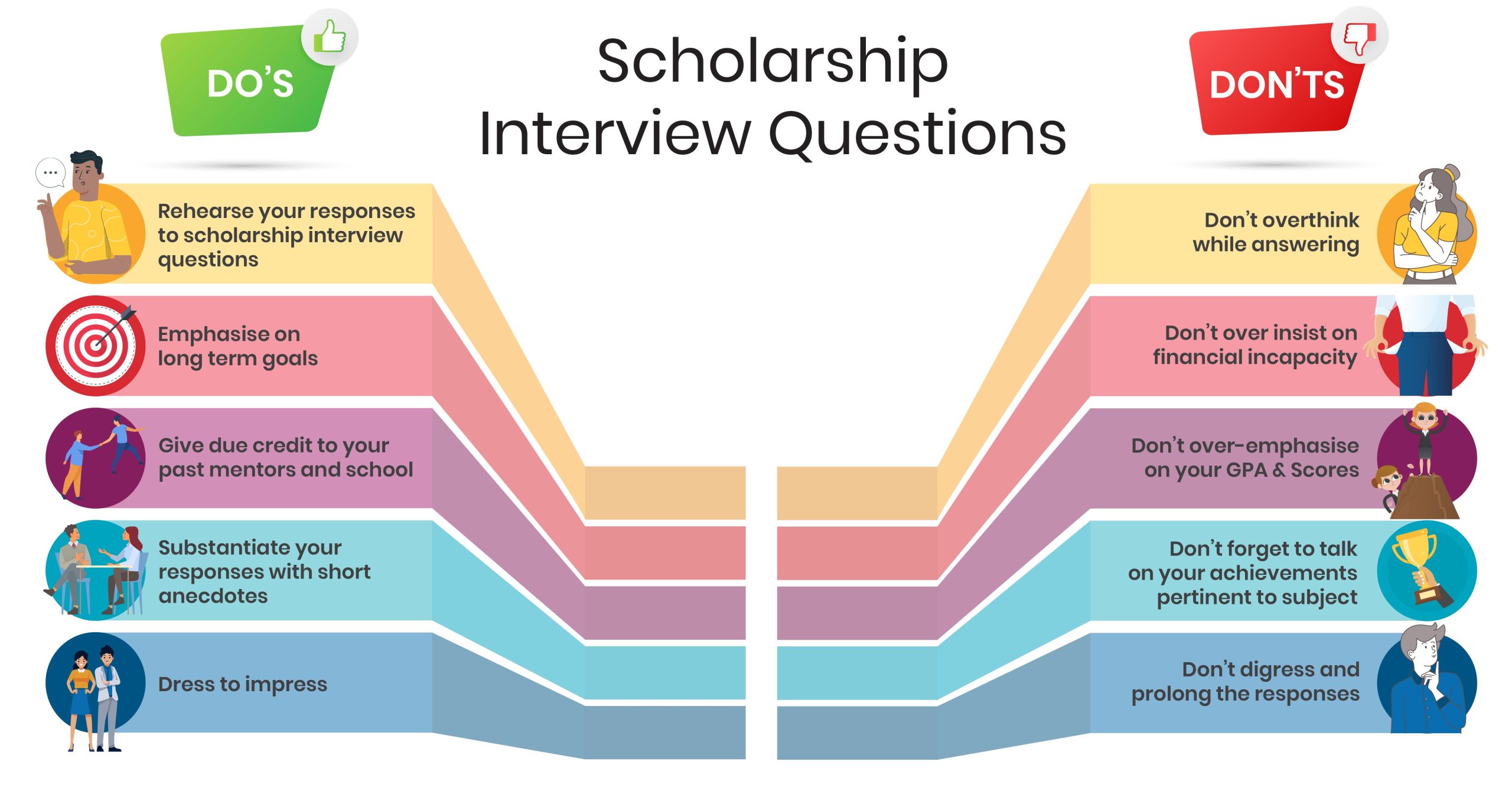
Now, let’s talk about the big one: practicing common scholarship interview questions. This isn’t about memorizing scripts; it’s about getting comfortable articulating your thoughts. Questions like "Tell me about yourself," "Why this scholarship?" "What are your strengths and weaknesses?" "Where do you see yourself in five years?" and "Describe a challenge you’ve faced and how you overcame it" are staples. For "Tell me about yourself," don’t just recite your resume. Craft a concise, compelling narrative that highlights your passion, relevant experiences, and future aspirations, all within about 60-90 seconds. It’s your elevator pitch for your academic and personal journey. For strengths and weaknesses, be genuine. When I talked about my weakness, I chose something I was actively working on improving, and I explained the steps I was taking. For instance, I once mentioned my tendency to overthink details, but immediately followed up by explaining how I now use structured planning and delegation to manage it effectively. This shows self-awareness and a commitment to growth, not just a flaw.
One crucial aspect often overlooked is preparing your own questions for them. This isn’t just a formality; it’s an opportunity. It shows you’re engaged, thoughtful, and genuinely interested in the opportunity, not just the money. Ask about the scholarship’s alumni network, what kind of support they offer, or what they believe are the biggest challenges facing students in your field today. I always tried to ask a question that showed I’d done my homework and was thinking beyond the immediate benefit. For example, "Beyond financial support, what kind of mentorship or community opportunities does this scholarship provide for its recipients?" This demonstrates a long-term vision and a desire to contribute.
As the interview day approaches, logistics become key. What will you wear? Choose something professional, clean, and comfortable. For me, it was usually a simple blazer and a nice shirt – nothing too flashy, nothing too casual. The goal is to look polished and respectful. If it’s an online interview, test your technology beforehand. Check your internet connection, microphone, camera, and make sure your background is tidy and free from distractions. I learned this the hard way once when my Wi-Fi decided to act up five minutes before an important call. Have a backup plan, even if it’s just knowing where you can quickly move to if your primary setup fails. And of course, punctuality is non-negotiable. Aim to arrive at least 10-15 minutes early for an in-person interview, or log in 5 minutes early for a virtual one. This gives you time to settle your nerves, take a deep breath, and present a calm demeanor.
Now, the moment arrives. You’re in the room, or your screen lights up. First impressions truly matter. A genuine smile, direct eye contact (or looking at your camera for virtual interviews), and a firm handshake (if in person) can set a positive tone. Greet each interviewer by name if you know it. During the interview, active listening is paramount. Don’t just wait for your turn to speak; truly listen to the questions. Sometimes, interviewers will offer clues or context in their questions. If you’re unsure about a question, it’s perfectly okay to ask for clarification. "Could you please elaborate on what you mean by…?" shows thoughtfulness, not a lack of understanding.
When you speak, be authentic and tell your story. This is where you can truly differentiate yourself from others. Instead of just listing accomplishments, weave them into narratives. Use the STAR method (Situation, Task, Action, Result) implicitly to structure your answers, especially for behavioral questions. For example, if asked about leadership, don’t just say "I’m a good leader." Instead, describe a situation where you led a team (Situation), what your objective was (Task), what specific steps you took (Action), and what the positive outcome was (Result). I remember telling a story about organizing a fundraising event for a local charity. I detailed the challenges, my specific contributions, and the impact we made. This made my answer memorable and showed, rather than just told, my leadership skills.
Demonstrate your passion and your fit. Why this specific field? Why this specific program? What drives you? Your enthusiasm should be palpable, but not overbearing. Connect your personal aspirations with the values of the scholarship. If they emphasize innovation, share an example of how you’ve approached problems creatively. If they value social impact, talk about how your future goals will contribute to positive change. Make it clear that this scholarship isn’t just a financial transaction; it’s an investment in someone who will carry their values forward.
It’s inevitable that you might encounter a difficult question, or one that catches you off guard. My advice? Don’t panic. It’s okay to take a moment to think. A brief pause shows you’re considering your answer carefully. If you truly don’t know the answer to a factual question, it’s better to admit it gracefully and perhaps pivot to how you would approach finding the answer or learning more. For example, "That’s an interesting question, and while I don’t have the exact statistics on hand, I would approach understanding that issue by researching X, Y, and Z…" This demonstrates intellectual honesty and problem-solving skills. Remember, they’re assessing your thought process as much as your knowledge.
Towards the end, when they ask if you have any questions, this is your final opportunity to shine. Reiterate your interest, ask those thoughtful questions you prepared, and thank them for their time. My go-to closing question was often something like, "Based on our conversation today, do you have any reservations about my candidacy that I could address?" This bold move shows confidence and a genuine desire to clarify any concerns, though it’s a question best saved for when you feel you’ve built a good rapport.
Finally, the interview concludes. Whether it’s a handshake or a click, your journey isn’t quite over. The most important post-interview step is sending a thank you note. Send it promptly, ideally within 24 hours. Make it personalized. Refer to something specific you discussed during the interview – a point you clarified, a shared interest, or a question you asked. This reinforces your engagement and helps them remember you. For example, "Thank you again for our conversation today. I particularly enjoyed discussing , and it further solidified my excitement about ." Keep it concise and professional.
After sending that thank you note, take a moment to reflect. What went well? What could you have improved? This isn’t just for this scholarship; it’s invaluable experience for future interviews. And then, here’s the hardest part: be patient. The waiting game can be agonizing, but obsessing over it won’t change the outcome. Trust that you put your best foot forward, and whatever the result, you gained valuable experience.
Securing a scholarship isn’t just about being the smartest or having the highest grades; it’s about presenting your authentic self in a compelling way, demonstrating your potential, and showing how you align with the scholarship’s mission. It’s about making a human connection. Each interview is a unique chance to share your story and passion. Approach it with preparation, confidence, and genuine enthusiasm, and you’ll be well on your way to opening those doors to your future. Good luck, you’ve got this.
.webp "Mastering the Scholarship Interview: My Journey to Success and Your Roadmap")