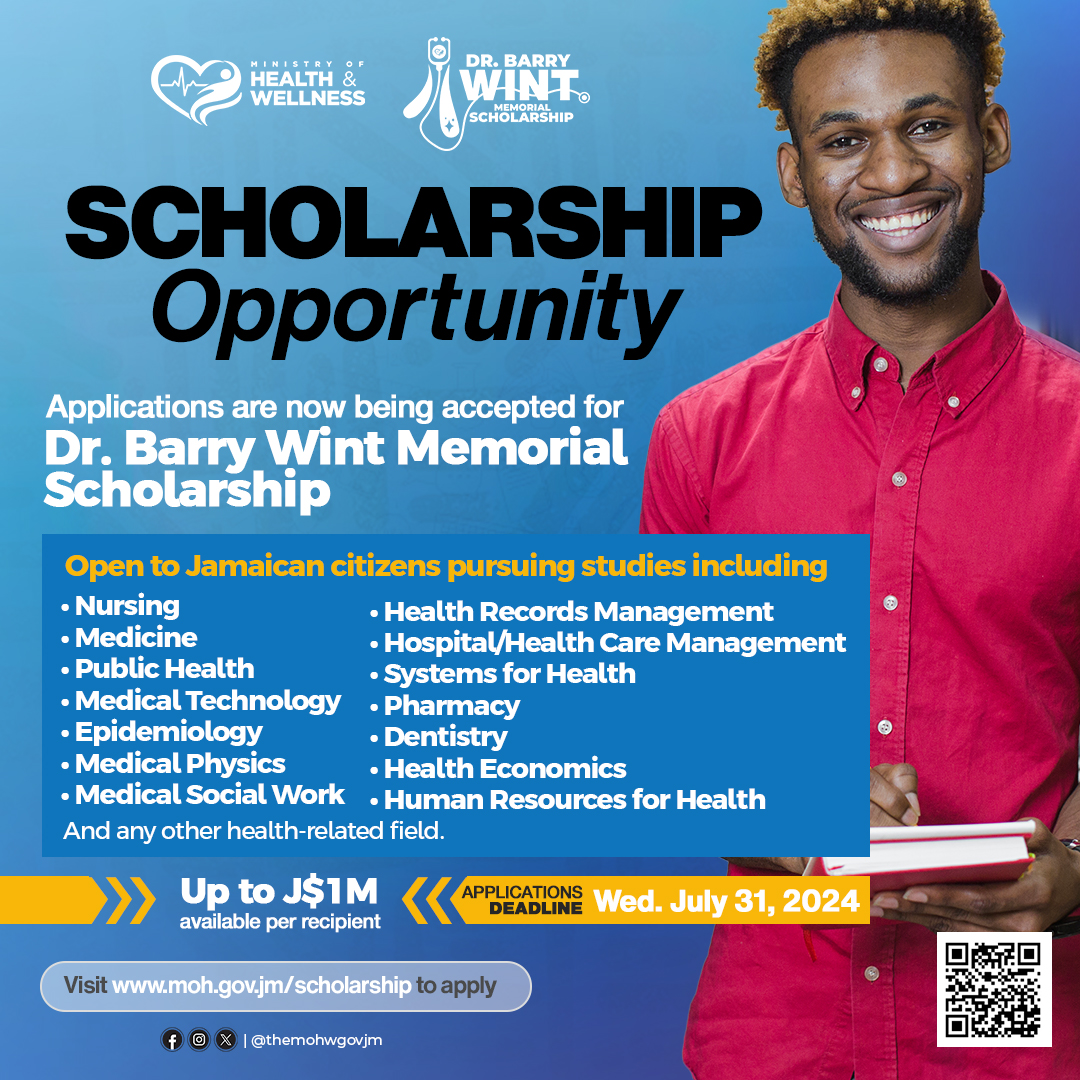

I remember it like it was yesterday, sitting across from Dr. Anya Sharma, my mentor, her office smelling faintly of old books and antiseptic. I was a young, wide-eyed pre-med student, overwhelmed by the sheer mountain of tuition fees staring back at me from university brochures. "It’s not just about getting into medical school, Liam," she’d said, her voice gentle but firm. "It’s about how you’re going to pay for it. And believe me, there are ways. Many ways."
That conversation was a pivotal moment for me. Before that, the cost of medical education felt like an insurmountable wall, a silent dream-killer for anyone without a trust fund or a lottery win. I’d always imagined becoming a doctor, driven by a deep desire to help people, to understand the intricate workings of the human body, and to make a tangible difference in the world. But the reality of tens, if not hundreds, of thousands of dollars in debt was a chilling prospect. It was then that I truly started my journey into understanding medical scholarships, and what I found transformed not only my path but the paths of many students I’ve mentored since.
Let me tell you, navigating the world of medical scholarships can feel like trying to find a specific needle in a haystack made of other needles. It’s daunting, it’s confusing, and at times, it feels utterly hopeless. But I promise you, with the right approach, persistence, and a sprinkle of self-belief, those scholarships are not just myths. They are real, tangible opportunities waiting for students just like you.
My first piece of advice, the one I give to every aspiring doctor I meet, is this: start early. Don’t wait until you’ve been accepted into medical school to think about funding. The earlier you begin your research and preparation, the better your chances. Think of it as a marathon, not a sprint. Every good grade, every hour volunteered, every research paper contributed to, every leadership role taken – these are all building blocks for your future scholarship applications.
What exactly are medical scholarships? Simply put, they are financial awards given to students pursuing a medical degree, which do not need to be repaid. This "free money" can come from a myriad of sources: universities themselves, government agencies, private foundations, professional medical organizations, corporations, and even local community groups. Each scholarship has its own specific criteria, and understanding these nuances is crucial.
I remember spending countless evenings poring over websites, feeling a mix of excitement and despair. There were so many, yet each seemed to ask for something slightly different. I quickly learned that medical scholarships aren’t a one-size-fits-all deal. They fall into several broad categories, each designed to support a specific kind of student or address a particular need within the healthcare system.
First, you have the merit-based scholarships. These are often awarded to students with exceptional academic records, outstanding extracurricular achievements, or unique talents. If you’ve consistently aced your science courses, conducted groundbreaking research, or volunteered hundreds of hours in a clinical setting, these are the scholarships that will often recognize and reward that dedication. I recall one student I worked with, Sarah, who had not only maintained a stellar GPA but had also founded a local chapter of Doctors Without Borders on her campus. Her passion shone through, making her a prime candidate for several prestigious merit awards. These scholarships truly value demonstrable excellence and a proven track record of commitment to learning and service.
Then there are the need-based scholarships. These are designed for students who demonstrate a financial inability to cover the costs of medical education. Often, you’ll need to fill out a Free Application for Federal Student Aid (FAFSA) or similar forms to demonstrate your financial situation. Don’t underestimate these; even if you think your family isn’t "poor," the sheer cost of medical school can push even middle-income families into the "need" category for substantial aid. I always encourage students to apply for these regardless of their initial assumptions about their family’s income. You never know until you try, and often, the calculation of financial need takes into account the extraordinary expense of medical training.
Beyond these two main types, the world of medical scholarships branches out even further, targeting specific interests and backgrounds. Some are specific to certain fields of medicine. Are you passionate about primary care and working in underserved communities? There are scholarships for that. Interested in medical research? Yep, those exist too. Pediatric oncology, rural medicine, global health, public health initiatives – if you have a niche interest, chances are there’s an organization out there looking to support students who share that passion. These specialized scholarships often come from foundations or professional associations deeply invested in advancing particular areas of medicine.
There are also scholarships tailored to specific demographics or backgrounds. These might include scholarships for minority students, women in medicine, first-generation college students, students with disabilities, or those from particular geographic regions. These are not about preferential treatment, but about promoting diversity within the medical field and addressing historical underrepresentation, ensuring that the healthcare workforce reflects the rich tapestry of the communities it serves. My friend, David, who was a first-generation college student from a rural background, found incredible support through scholarships specifically aimed at students from similar circumstances, recognizing the unique challenges he had overcome to pursue his dream.
And let’s not forget the service-based scholarships. These are often some of the most generous but come with a commitment. The National Health Service Corps (NHSC) Scholarship Program, for example, offers significant financial aid in exchange for a commitment to practice primary care in underserved areas upon graduation. Similarly, military scholarships like the Health Professions Scholarship Program (HPSP) from the Army, Navy, or Air Force cover tuition and provide a stipend in exchange for service as a military physician. These can be life-changing for many, but it’s crucial to understand the service obligation fully before committing. It’s a serious decision, one that needs careful thought about your career path and lifestyle, as it dictates where and how you’ll practice for a period after your training.
So, where do you even begin to find these elusive treasures? The first place I always direct students is their university’s financial aid office and their chosen medical school’s admissions department. These institutions often have their own scholarship programs, and they know about external opportunities specific to their students. Don’t be shy; schedule an appointment, ask questions, and make yourself known. They are often your best first resource, equipped with knowledge of both institutional and external funding.
Next, the internet is your friend, but a discerning one. There are numerous online scholarship databases like Fastweb, Scholarship.com, Sallie Mae, and specific medical scholarship search engines such as those provided by the AAMC (Association of American Medical Colleges). Be wary of any site that asks for money to find scholarships – legitimate scholarship searches are free. I spent countless hours on these sites, creating profiles, and letting their algorithms match me with potential opportunities. It’s tedious work, but every potential match is a step closer to securing financial assistance for medical education.
Don’t overlook professional medical associations. Organizations like the American Medical Association (AMA), the National Medical Association (NMA), or specialty-specific groups (e.g., American Academy of Pediatrics, American College of Surgeons) often have their own scholarship programs or maintain lists of external funding opportunities. These are often highly targeted, meaning less competition from students outside that specific interest, and can provide invaluable funding for medical students pursuing a particular specialty.
Finally, cast a wide net into your local community. Community foundations, hospitals, local businesses, and even civic organizations (like Rotary or Lions Clubs) sometimes offer scholarships to local students pursuing higher education, including medicine. These often have less competition than national scholarships and can be fantastic ways to piece together funding. I once helped a student secure a $2,000 scholarship from a local credit union – a small amount in the grand scheme of medical school, but every dollar counts, and it added up with other awards, proving that every little bit of tuition help for medical students makes a difference.
Finding scholarships is one thing; winning them is another entirely. This is where your true effort and dedication come into play. The application process itself is an art form, requiring careful planning and genuine self-reflection.
Academic excellence is your foundation. Strong grades, especially in science courses, and competitive MCAT scores are non-negotiable for many scholarships. They demonstrate your capability to handle the rigorous demands of medical school. But it’s not just about the numbers. Scholarship committees are looking for well-rounded individuals who possess both intellectual prowess and the human qualities essential for a compassionate doctor.
This brings me to extracurricular activities and clinical experience. These are not just resume fillers; they are opportunities to demonstrate your commitment to medicine, your compassion, leadership potential, and your ability to work in a team. Volunteering in a hospital or clinic, shadowing physicians, participating in medical research, leading a student organization, or engaging in community service – these experiences tell a story. They show that you’re not just smart, but you’re also dedicated and empathetic. I remember my own frantic search for clinical experience, spending weekends volunteering in the emergency room, observing the controlled chaos, and realizing that this was exactly where I wanted to be. Those experiences, raw and real, became the backbone of my scholarship essays. They demonstrated my genuine interest in healthcare scholarships and my readiness for the medical profession.
And speaking of essays, this is often the make-or-break component. A scholarship essay isn’t just a recount of your achievements; it’s a chance to let your personality shine, to tell your unique story, and to articulate why you want to be a doctor. Avoid generic platitudes about "helping people." Instead, share a specific anecdote, a moment that ignited your passion, a challenge you overcame, or a patient interaction that profoundly impacted you. Make it personal, make it authentic, and make it memorable. I spent weeks on my main scholarship essay, drafting and redrafting, getting feedback from anyone who would read it. It felt agonizing at the time, but the process forced me to dig deep and articulate my true motivations, which ultimately made my application much stronger and more compelling.
Letters of recommendation are another critical piece of the puzzle for funding medical education. Choose your recommenders wisely – professors who know you well and can speak to your academic abilities, supervisors from your clinical experiences who can attest to your work ethic and compassion, or mentors who have seen your growth and leadership potential. Give them plenty of time, provide them with your resume, personal statement, and details about the specific scholarship you’re applying for. A strong, heartfelt letter from someone who genuinely believes in you can significantly boost your application.
Finally, some scholarships will require an interview. This is your opportunity to connect with the committee on a human level, to convey your passion and commitment in person. Practice articulating your answers, be confident but humble, and always be yourself. Remember, they want to see if you’re a good fit for their mission and values, just as much as you want to prove your worth and demonstrate why you deserve financial assistance for doctors in training.
Now, let’s talk about the pitfalls, because I’ve seen many bright students stumble. The biggest one? Procrastination. Scholarship deadlines are firm. Missing one means you’ve missed an opportunity entirely. Create a calendar, set reminders, and start working on applications well in advance. Another common mistake is not reading instructions carefully. Every scholarship has specific requirements. Submitting an incomplete application or one that doesn’t follow the guidelines is an immediate disqualifier. Pay attention to every detail, no matter how small.
Also, avoid generic applications. Don’t use the same essay for every scholarship. Tailor each application to the specific scholarship’s mission and criteria. Show them you’ve done your homework and that you genuinely align with what they’re looking for. A scholarship for students interested in rural medicine will want to hear about your experiences and aspirations related to that, not just a general desire to "cure diseases." This personal touch is key to standing out among a sea of applicants.
Perhaps the most crucial advice I can offer is this: don’t give up. You will face rejection. I did. Many times. It’s disheartening, it’s frustrating, and it makes you question everything. But every "no" brings you closer to a "yes." Each rejection is a learning opportunity. Ask for feedback if possible, refine your approach, and keep applying. The sheer volume of applications can be overwhelming, but remember why you started. The persistence required for paying for med school through scholarships builds character and resilience.
I vividly remember receiving my first scholarship acceptance letter. It wasn’t the biggest one, just a few thousand dollars from a local medical society, but it felt like winning the lottery. It was validation. It was hope. It was proof that my hard work was paying off. That small scholarship, combined with several others, made the dream feel attainable. It lifted a significant burden, allowing me to focus more on my studies and less on how I was going to pay for my next textbook. This free money for medical school wasn’t just about financial relief; it was about empowerment.
Beyond the financial relief, winning scholarships brings other invaluable benefits. It boosts your confidence, affirming that others believe in your potential. It often connects you with a community of like-minded scholars and mentors, opening doors to networking opportunities and future collaborations. These connections can be just as valuable as the money itself, shaping your career path and providing support throughout your medical journey. They can be a source of guidance for residency scholarships or future opportunities.
One final thought, especially for those considering service-based scholarships: fully understand the commitment. These are often incredible opportunities, but they come with obligations that will shape your early career. Research the specific requirements, talk to people who have completed these programs, and ensure it aligns with your long-term goals. It’s a partnership, and like any good partnership, both sides need to be clear on expectations.
My journey to becoming a physician was long and arduous, and the financial aspect was undoubtedly one of the steepest climbs. But looking back, the pursuit of medical scholarships wasn’t just about securing funds; it was an integral part of my development as a future doctor. It taught me resilience, the importance of clear communication, and the value of articulating my passion.
So, if you’re reading this, feeling the weight of medical school costs, please know this: you are not alone, and there are pathways for you. Dive in, do your research, pour your heart into your applications, and be persistent. The medical field desperately needs dedicated, compassionate individuals like you. Don’t let the financial hurdle be the thing that stops you from answering your calling. Your dream of healing is worth fighting for, and with medical scholarships, that fight becomes a lot more manageable. Keep pushing, keep learning, and keep believing in the incredible impact you are destined to make. The journey is tough, but the destination, where you get to make a real difference in people’s lives, is worth every single effort.