
I remember sitting at my kitchen table, a stack of college brochures fanned out before me, the numbers on their tuition pages looking less like figures and more like an impossible mountain range. My parents, bless their hearts, had always told me to dream big, to reach for the stars, but the reality of funding those dreams felt like a cold shower. That’s when the word “scholarship” started to echo in my mind, a beacon of hope in a sea of financial anxiety. But what did it even mean to be "eligible"? It felt like a secret club I wasn’t sure I could join.
My first attempts at understanding scholarship eligibility were, frankly, a bit of a mess. I Googled furiously, scanned websites, and felt overwhelmed by the sheer volume of information. It wasn’t until I started to break it down, piece by piece, and actually apply for things, that the picture began to clear. And let me tell you, it’s not as mystical as it seems. It’s a journey, much like anything else worth doing, filled with learning, a few stumbles, and ultimately, incredible rewards.
The very first thing I realized, and perhaps the most common misconception, is that scholarships aren’t just for straight-A students or athletic phenoms. While academic merit and impressive talents certainly open many doors, the world of scholarship eligibility is far broader and more nuanced. It’s about presenting your unique self in the best possible light, understanding what different organizations are looking for, and knowing where you fit in.
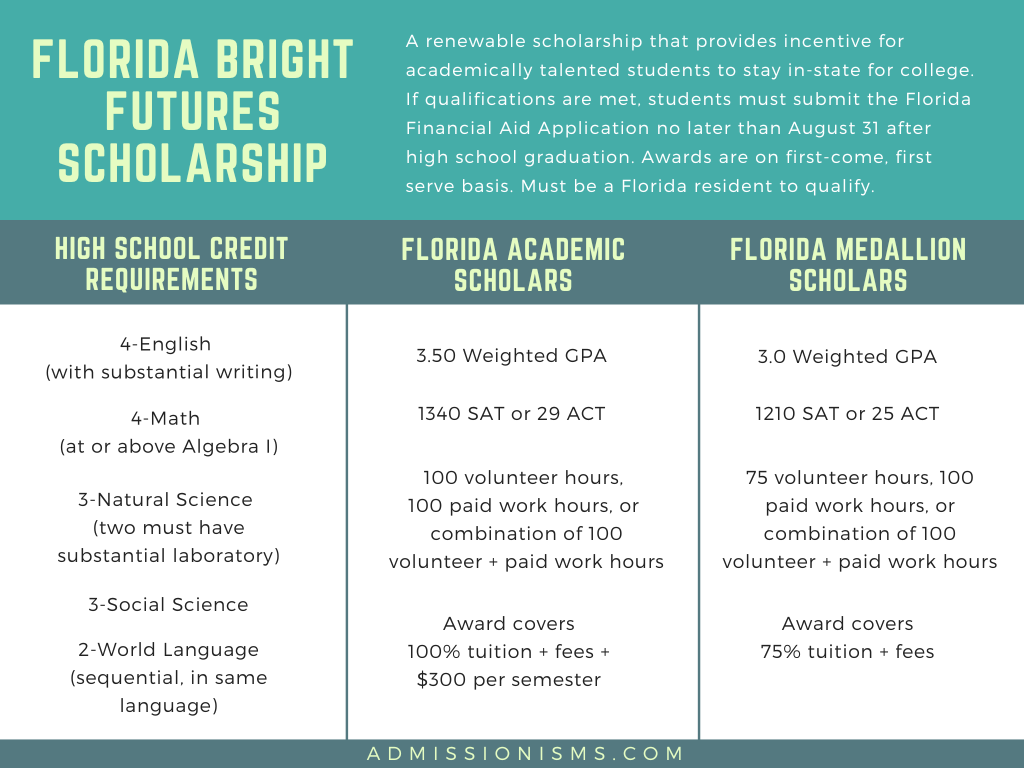
Let’s start with the big one, the one everyone talks about: Academic Merit. Yes, your grades matter. For many scholarships, especially those tied directly to universities or large foundations, a strong GPA is non-negotiable. I wasn’t always a perfect student; there were subjects I excelled in and others where I just scraped by. What I learned was that it wasn’t just about the raw numbers. It was also about demonstrating effort, improvement, and challenging myself. Did I take advanced placement classes? Did I show a commitment to learning even in subjects I found difficult? For my applications, I made sure to highlight my growth, pointing out how I improved my math scores over time or how I pushed myself in honors English. Test scores, like the SAT or ACT, also play a role. Some scholarships have minimum score requirements, while others use them as one piece of a larger puzzle. If your scores aren’t stellar, don’t despair; many scholarships are becoming "test-optional," and even those that aren’t will often weigh your overall application heavily. The key here is consistency and demonstrating a genuine love for learning, not just memorizing for tests.
Next up, and often just as critical, is Financial Need. This was a big one for my family. Many scholarships are specifically designed to help students who wouldn’t be able to afford higher education otherwise. This eligibility factor usually involves filling out forms like the Free Application for Federal Student Aid (FAFSA) or the CSS Profile. These forms ask for detailed information about your family’s income, assets, and expenses. It can feel intrusive, laying bare your family’s financial situation, but it’s essential. Organizations use this data to determine your Expected Family Contribution (EFC) and assess how much financial assistance you genuinely need. I remember my mom and I spending hours gathering tax documents and bank statements. It was tedious, but knowing that it could open doors to an affordable education made every minute worth it. Don’t assume your family makes "too much" to qualify. Many middle-income families still face significant challenges covering college costs, and there are scholarships tailored for various income brackets. Always fill out these forms accurately and on time.
Beyond grades and finances, scholarships often look for what you do outside the classroom. This brings us to Extracurricular Activities and Leadership. This isn’t just about joining every club under the sun. Scholarship committees want to see genuine engagement, passion, and impact. My journey here was about finding what truly resonated with me. I wasn’t the captain of the football team, but I was deeply involved in our school’s debate club, eventually leading it as president. I also volunteered at a local animal shelter every weekend. What I focused on in my applications was not just what I did, but why I did it, and what I learned. Did my debate experience teach me critical thinking and public speaking? Absolutely. Did my time at the animal shelter instill a sense of responsibility and empathy? Without a doubt. Showing leadership, initiative, perseverance, and a commitment to your community or a particular cause speaks volumes. Quality always trumps quantity here. Better to have two activities you’re deeply passionate about and committed to, than ten where you just show up occasionally.
Then there’s the part that really lets your personality shine through: the Essay or Personal Statement. This was, for me, both the most daunting and most rewarding part of the application process. It’s your chance to tell your story, to connect with the scholarship committee on a human level. Eligibility here isn’t about checking boxes; it’s about authenticity and compelling narrative. I remember staring at a blank screen, wondering what to write about. My first few drafts were stiff, trying too hard to sound "smart." But then a mentor told me, "Just tell your story, the one only you can tell." I started writing about my passion for astronomy, how looking at the stars made me feel small yet connected to something vast, and how that curiosity fueled my desire to learn. I wrote about the challenges I faced and how I overcame them. I wasn’t afraid to show vulnerability, to talk about failures and what they taught me. This is where you reveal your character, your motivations, and why you deserve their investment. Proofread mercilessly, get feedback, and make sure your voice shines through.
Another crucial piece of the puzzle is Letters of Recommendation. These are external validations of your character and abilities. Eligibility here means choosing the right people and preparing them well. I asked teachers who knew me best – not necessarily the ones who gave me the highest grades, but the ones who saw my growth, my participation, and my dedication. My debate coach, for example, could speak to my leadership and analytical skills. My English teacher could speak to my intellectual curiosity and writing ability. When asking, I always provided them with my resume, a list of the scholarships I was applying for, and a brief summary of why I was interested in each. This made their job easier and ensured their letters were tailored and specific, highlighting the qualities relevant to each scholarship. Give them plenty of notice and always send a thank you note!
Beyond these universal criteria, scholarship eligibility can become incredibly specific. This is where many students miss out. There are scholarships based on your Field of Study. Are you planning to major in engineering? Nursing? Education? Agriculture? There are countless organizations dedicated to supporting students entering specific fields. I discovered several scholarships specifically for students pursuing STEM fields, which aligned perfectly with my interests.
Then there are scholarships based on Demographic Factors. These can include ethnicity, gender, first-generation college student status, disability, religious affiliation, or even being left-handed! I qualified for a scholarship specifically for students who were the first in their family to attend college, which was a huge relief and a point of pride. Never overlook these niche opportunities. They often have fewer applicants, increasing your chances.
Geographic Location is another common eligibility factor. Some scholarships are only for residents of a particular city, county, or state. Your high school might have local scholarships only available to its own graduating seniors. I found a few small but helpful local scholarships that had very specific residency requirements, which drastically narrowed the applicant pool. These can be golden opportunities.
And of course, there are scholarships for Unique Talents or Interests. Are you an incredible musician? An award-winning artist? A star athlete? Do you have a passion for knitting, competitive gaming, or stamp collecting? Believe it or not, there are scholarships for almost every conceivable hobby or talent. While I didn’t have a specific artistic talent, my involvement in debate could be considered a specialized skill, and I sought out scholarships related to public speaking or civic engagement. The key is to think broadly about what makes you, you.
My journey taught me that simply meeting the eligibility criteria listed on paper isn’t always enough. It’s about demonstrating Fit and Passion. Scholarship committees aren’t just looking for someone who can do the work; they’re looking for someone who will thrive and make a difference. They want to see that your goals align with their mission. If a scholarship is for students pursuing environmental science, and you write about your love for fashion, it won’t be a good fit, no matter how good your grades are. Show them you understand what their organization values and how you embody those values.
The entire Application Process itself also becomes a factor in eligibility, in a less direct but equally important way. Being organized, meeting deadlines, and following instructions meticulously are crucial. I created a spreadsheet to track every scholarship, its requirements, deadlines, and the status of my application materials. Missing a deadline, submitting an incomplete application, or failing to follow a specific formatting instruction can instantly disqualify you, regardless of how stellar your profile is. It’s a testament to your responsibility and attention to detail.
I faced rejections, of course. Plenty of them. Each rejection felt like a little sting, a momentary doubt about whether I was good enough. But with each one, I learned something. Maybe my essay wasn’t as strong as I thought, or maybe I didn’t truly fit the scholarship’s specific niche. I learned to see it as part of the process, not a judgment on my worth. The eligibility criteria are broad, and sometimes, it’s just a numbers game. Persistence is an unspoken eligibility requirement. You have to keep trying, keep refining your approach, and keep believing in your own potential.
One common pitfall I observed among my friends was Procrastination. Many waited until the last minute, rushing through essays and gathering recommendations in a panic. This rarely leads to a strong application. Start early, especially for those scholarships with essay requirements. Give yourself time to brainstorm, write, revise, and get feedback.
Another mistake is Not Reading Instructions Carefully. This sounds obvious, but you’d be surprised. Some scholarships ask for a specific word count, a particular font, or a unique question to be answered. Skimming can lead to disqualification. Treat each application as a mini-project, giving it your full attention.
Finally, avoid Generic Applications. Copy-pasting the same essay for every scholarship is a huge red flag. While you can certainly adapt parts of your essays, each application should feel tailored to the specific scholarship and its mission. Show them you’ve done your homework and genuinely care about their opportunity.
In the end, I did secure scholarships – enough to significantly reduce that impossible mountain range of tuition costs. It wasn’t one massive scholarship, but a collection of smaller ones that added up to a life-changing sum. My journey through scholarship eligibility taught me that it’s less about being perfect and more about being strategic, persistent, and authentic. It’s about understanding that you have value, unique experiences, and a story worth telling.
So, if you’re sitting at your own kitchen table, staring at those daunting tuition numbers, take a deep breath. Start exploring. Don’t limit yourself to the obvious. Look for your specific niche. Tell your story. Ask for help. Be organized. And most importantly, believe that you are eligible, not just for a scholarship, but for the future you dream of. The eligibility criteria are just guideposts; your determination is the true compass.