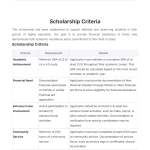
Navigating Your Academic Journey: A Comprehensive Guide to Scholarship Financial Planning

The pursuit of higher education represents a significant investment, both in terms of time and financial resources. For many, scholarships serve as a critical bridge, transforming aspirational academic goals into tangible realities. While receiving a scholarship is a momentous achievement, it marks not the end of financial considerations, but rather the beginning of a new phase: diligent scholarship financial planning. Effective management of these funds is paramount to maximizing their impact, minimizing financial stress, and ensuring a smooth academic journey. This comprehensive guide delves into the multifaceted aspects of financial planning for scholarship recipients, offering insights and strategies to navigate the complexities of educational funding with prudence and foresight.
I. Understanding the Landscape of Scholarships
Before delving into financial planning, it is crucial to understand the diverse ecosystem of scholarships. These awards are essentially forms of "gift aid" that do not need to be repaid, making them highly desirable. They come in various forms, each with distinct criteria and purposes:
- Merit-based Scholarships: Awarded based on academic achievement, artistic talent, athletic prowess, or other special skills.
- Need-based Scholarships: Granted based on a student’s demonstrated financial need, often determined through applications like the Free Application for Federal Student Aid (FAFSA).
- Specific Major/Career Scholarships: Aimed at students pursuing particular fields of study (e.g., STEM, nursing, education) or committed to specific career paths.
- Community Service Scholarships: Recognizing students who have made significant contributions to their communities.
- Diversity Scholarships: Designed to support students from underrepresented groups or specific ethnic/cultural backgrounds.
- Employer-sponsored Scholarships: Offered by companies to employees or their dependents, often tied to specific academic or career goals.
Scholarships can originate from a multitude of sources, including individual universities and colleges, private organizations, government agencies, corporations, and non-profit foundations. The application process itself often demands considerable effort, involving extensive research, crafting compelling essays, securing strong letters of recommendation, and adhering to strict deadlines. Understanding these foundational aspects helps recipients appreciate the value and responsibility that comes with such awards.
II. The Crucial Role of Financial Planning for Scholarship Recipients
While a scholarship can significantly alleviate the burden of educational costs, it rarely covers every single expense. The romanticized notion of a "full ride" often overlooks numerous peripheral yet essential expenditures. Proactive financial planning is indispensable for several reasons:
- Addressing Uncovered Costs: Scholarships might cover tuition and fees, but often leave out costs such as books, supplies, personal expenses, travel, health insurance, and technology.
- Minimizing Debt: Even with substantial scholarship aid, many students find themselves needing to cover remaining gaps. Thoughtful planning can help identify these gaps early and explore the most responsible ways to bridge them, ideally minimizing reliance on student loans.
- Maximizing Educational Value: Financial stress can be a significant impediment to academic success. By effectively managing scholarship funds, students can focus more on their studies and less on monetary worries, thereby enhancing their overall educational experience.
- Fostering Long-term Financial Health: Learning to budget, save, and manage funds responsibly during college lays a critical foundation for sound financial habits in adulthood.
III. Pre-Scholarship Financial Planning: Laying the Groundwork
Effective financial planning begins even before the scholarship funds are disbursed. This preparatory phase involves a thorough assessment of anticipated costs and available resources.
A. Estimating Total Educational Costs
A realistic understanding of all potential expenses is the cornerstone of any robust financial plan. Categories to consider include:
- Tuition and Fees: These are the most obvious direct costs, varying significantly between institutions (public vs. private, in-state vs. out-of-state).
- Room and Board: Whether living on-campus or off-campus, housing and food constitute a substantial portion of expenses. On-campus housing often includes meal plans, while off-campus living entails rent, utilities, and grocery bills.
- Books and Supplies: Textbooks, lab materials, art supplies, and general stationery can quickly accumulate, often costing hundreds or even thousands of dollars per academic year.
- Personal Expenses: This broad category includes toiletries, clothing, laundry, entertainment, streaming services, and other discretionary spending. These are often underestimated but are crucial for a balanced student life.
- Travel Expenses: For students attending school away from home, costs for transportation to and from campus during breaks (flights, train tickets, gas) need to be factored in.
- Health Insurance: If not covered by a family plan, students may need to purchase university-sponsored health insurance or find an independent policy.
- Technology: Laptops, software, internet access, and printer supplies are essential for modern academic work.
- Miscellaneous: Student activity fees, gym memberships (if not included), parking permits, and emergency funds for unforeseen circumstances.
B. Understanding Your Financial Aid Award Letter
Upon admission, universities typically issue a financial aid award letter detailing all aid offered. It is crucial to scrutinize this document carefully:
- Distinguish Gift Aid from Self-Help Aid: Clearly identify scholarships and grants (gift aid) which do not need repayment, from loans (self-help aid) which do.
- Review Terms and Conditions: Each scholarship may have specific requirements for renewal (e.g., maintaining a minimum GPA, enrolling in a certain number of credits, participating in specific activities). Failure to meet these conditions can lead to the forfeiture of future aid.
- Identify Unmet Need: Calculate the total estimated cost of attendance minus all gift aid received. The remaining figure represents the "unmet need" or the gap that still needs to be covered.
C. Exploring Other Aid Options
If scholarships do not cover the entire cost of attendance, exploring supplementary aid is a responsible next step:
- Federal Student Aid: Completing the FAFSA is essential for accessing federal grants (like the Pell Grant), work-study programs, and federal student loans (subsidized and unsubsidized). Federal loans generally offer more favorable terms than private loans.
- State Grants: Many states offer their own grant programs based on residency and financial need.
- Institutional Aid: Universities often have their own endowments and funds for grants and scholarships beyond federal aid.
- Responsible Borrowing: If loans are necessary, prioritize federal student loans. Exhaust these options before considering private loans, which typically have higher interest rates, fewer borrower protections, and less flexible repayment plans. Borrow only what is absolutely necessary.
IV. Managing Your Scholarship Funds Effectively: The Core of the Plan
Once scholarship funds are secured and disbursed, the focus shifts to meticulous management. This is where a robust financial plan truly comes into play.
A. Budgeting for Success
A budget is a personalized financial roadmap that tracks income and expenses, ensuring funds are allocated purposefully.
- Creating a Realistic Budget: Start by listing all income sources (scholarship disbursements, personal savings, part-time job earnings, parental contributions). Then, categorize and estimate all anticipated expenses based on the earlier assessment.
- Fixed vs. Variable Expenses: Differentiate between fixed expenses (e.g., tuition, rent, insurance premiums) that remain constant, and variable expenses (e.g., groceries, entertainment, transportation) that fluctuate. Variable expenses offer more flexibility for adjustments.
- Tools for Budgeting: Utilize spreadsheets (Excel, Google Sheets), budgeting apps (Mint, YNAB, EveryDollar), or even a simple notebook to track spending. Consistency is key.
- Regular Review: A budget is not a static document. Review it monthly or quarterly to ensure it remains aligned with actual spending and to make necessary adjustments based on changing circumstances or spending patterns.
B. Prioritizing Expenses
When allocating funds, a hierarchical approach to expenses can be beneficial:
- Tier 1: Educational Essentials: Tuition, mandatory fees, and required textbooks or software. These are non-negotiable.
- Tier 2: Living Essentials: Housing, utilities (if applicable), and food. These ensure basic needs are met.
- Tier 3: Personal Needs: Transportation, health-related expenses, and basic personal care items.
- Tier 4: Discretionary Spending: Entertainment, dining out, non-essential shopping, and subscriptions. This tier offers the most flexibility for cuts if funds become tight.
C. Smart Spending Habits
Cultivating frugal habits can significantly extend the longevity of scholarship funds:
- Student Discounts: Always inquire about student discounts at stores, restaurants, and for services.
- Textbook Strategies: Explore options like renting textbooks, buying used copies, or utilizing e-textbooks instead of purchasing new ones. Check the university library for available copies.
- Cooking at Home: Preparing meals at home is almost invariably cheaper and often healthier than frequently dining out or ordering takeout.
- Public Transportation/Walking/Biking: Minimize reliance on personal vehicles to save on gas, parking, and maintenance costs.
- Free Campus Resources: Take advantage of campus amenities such as the library, gym, student health services, career services, and free campus events.
- Avoid Impulse Purchases: Give purchases over a certain amount (e.g., $50) a 24-hour waiting period to ensure they are truly necessary and desired.
D. Setting Up Financial Accounts
Organizing financial accounts can streamline money management:
- Checking Account: For daily transactions, bill payments, and easy access to funds. Choose an account with no monthly fees or minimum balance requirements for students.
- Savings Account: For holding emergency funds or saving for specific larger purchases. Consider a high-yield savings account if available, though interest rates for smaller balances may not be substantial.
- Understanding Bank Fees: Be aware of potential overdraft fees, ATM fees (outside your network), and maintenance fees.
E. Emergency Fund
Life is unpredictable, and an emergency fund provides a critical safety net. Aim to save at least three to six months’ worth of essential living expenses if feasible. This fund can cover unexpected medical bills, urgent travel, technology breakdowns (e.g., laptop repair), or temporary loss of income. Having an emergency fund prevents needing to dip into scholarship money allocated for tuition or accruing high-interest debt during unforeseen circumstances.
V. Long-Term Financial Considerations During Your Academic Journey
Effective scholarship financial planning extends beyond immediate budgetary concerns to encompass long-term financial health and academic success.
A. Maintaining Scholarship Eligibility
Many scholarships are renewable, but this renewal is contingent upon meeting specific criteria. Regularly review and track:
- GPA Requirements: Ensure academic performance consistently meets or exceeds the minimum GPA stipulated by the scholarship provider.
- Enrollment Status: Maintain full-time enrollment if required, or the specific credit load necessary.
- Course Load/Major: Stick to the specified major or course of study if the scholarship is tied to it.
- Community Service/Participation: Fulfill any required extracurricular or community service hours.
- Timely Completion: Stay on track for degree completion within the specified timeframe.
Proactive communication with the financial aid office or scholarship provider about any potential challenges in meeting these requirements is often advisable.
B. Income Generation (If Permissible)
Depending on the scholarship terms and academic demands, supplementing funds through part-time work can be a viable strategy:
- On-Campus Jobs/Work-Study: These often offer flexible hours that accommodate academic schedules and provide valuable work experience.
- Internships: Especially those related to your major, internships can provide income, practical experience, and networking opportunities. Some may even offer stipends.
- Freelancing/Tutoring: Utilizing academic skills to tutor other students or engage in freelance work (e.g., writing, graphic design) can offer flexible income.
- Balance: Crucially, prioritize academic success. Overworking can negatively impact grades and overall well-being. A general guideline is not to exceed 10-15 hours per week during the academic year.
C. Debt Management (If Loans Are Necessary)
If student loans become a necessity, responsible management is paramount:
- Understand Terms: Be fully aware of interest rates, repayment start dates, and various repayment plans available (e.g., income-driven repayment).
- Prioritize Federal Loans: Federal loans generally offer fixed interest rates, income-driven repayment options, and deferment/forbearance possibilities.
- Avoid Private Loans: Private loans should be considered a last resort due to typically higher, variable interest rates and fewer borrower protections.
- Track All Loans: Keep a detailed record of all loan providers, amounts borrowed, and outstanding balances.
D. Financial Literacy and Education
The academic journey is an excellent time to deepen financial literacy. Continuously learning about personal finance concepts such as investing, credit scores, taxes, and retirement planning can significantly benefit future financial stability. Many universities offer financial literacy workshops or have dedicated financial aid advisors who can provide guidance. For additional insights and resources on managing scholarships and higher education finances, platforms like positivetraits.us offer valuable information.
E. Planning for Post-Graduation
The financial planning perspective should also extend to the period immediately following graduation:
- Job Search Expenses: Factor in costs for professional attire, travel for interviews, and potential relocation expenses.
- Student Loan Repayment: Understand when loan repayments begin and have a strategy for managing them.
- Building a Financial Foundation: Start thinking about establishing an emergency fund for post-graduation, saving for a down payment on housing, or contributing to retirement accounts once employment is secured.
- Professional Networking: Build connections during your academic years that can lead to employment opportunities, reducing the time spent searching for a job post-graduation.
VI. Common Pitfalls and How to Avoid Them
Even with the best intentions, scholarship recipients can fall into common financial traps. Awareness is the first step to avoidance:
- Overspending: Treating scholarship money as "free money" rather than a tool for investment in education can lead to irresponsible spending and depletion of funds before the academic year ends.
- Ignoring the Fine Print: Failing to understand and adhere to scholarship renewal requirements can result in losing valuable aid for subsequent years.
- Lack of Budgeting: Without a clear budget, money can disappear without a trace, leading to financial uncertainty and stress.
- Accumulating Unnecessary Debt: Taking out student loans when not truly needed, or borrowing excessive amounts, creates a heavy burden for post-graduation life.
- Not Planning for Emergencies: A lack of an emergency fund can derail financial stability when unexpected costs arise, forcing students to make difficult choices or incur high-interest debt.
- Procrastinating Financial Decisions: Delaying the creation of a budget, researching aid options, or understanding loan terms can lead to missed opportunities and increased financial pressure.
VII. Historical Context and Data on Educational Costs and Aid
Understanding the broader economic landscape of higher education provides valuable context for scholarship financial planning. The cost of higher education in the United States has seen a consistent upward trend over several decades, making financial aid, including scholarships, increasingly critical.
According to the College Board’s "Trends in College Pricing 2023" report, the average published tuition and fees for private four-year colleges increased by 2.1% per year on average beyond inflation over the last decade. Public four-year in-state tuition and fees rose by 2.4% per year on average beyond inflation during the same period. While these percentage increases might seem modest annually, their cumulative effect over a decade is significant, substantially outstripping wage growth for many families.
This rising cost has underscored the indispensable role of financial aid. The National Center for Education Statistics (NCES) reported that for the 2019-2020 academic year, 75% of full-time undergraduate students received some type of financial aid, with grants and scholarships being the most common forms of assistance. The average amount of grants and scholarships received by full-time undergraduates was approximately $10,400 during that period. These figures highlight that while a majority of students receive aid, the aid often does not fully cover the entire cost of attendance, leaving a gap that requires careful planning.
Furthermore, the competition for scholarships has intensified. With more students seeking higher education and costs continuing to rise, the demand for non-repayable aid has surged. This competitive environment emphasizes the importance of a strategic approach not only to securing scholarships but also to managing them judiciously once awarded. The data underscores that scholarships are not merely a bonus but often a fundamental necessity in accessing and completing higher education, thereby magnifying the importance of their responsible stewardship.
Conclusion
Receiving a scholarship is a testament to a student’s hard work, talent, and potential. However, the journey does not end there. Proactive, informed, and disciplined scholarship financial planning is the linchpin that transforms this valuable asset into a truly empowering academic experience. By meticulously estimating costs, understanding financial aid awards, creating and adhering to a realistic budget, adopting smart spending habits, and considering long-term financial implications, scholarship recipients can navigate their academic years with confidence and minimize financial anxieties. The principles of effective financial planning learned during this period extend far beyond graduation, laying a solid foundation for lifelong financial well-being. Embracing this responsibility ensures that the scholarship not only opens the doors to higher education but also paves the way for a financially secure future.