
I remember staring at the old, faded map tacked to my bedroom wall, tracing the contours of Europe with a hopeful finger. Paris, Rome, Berlin – names that hummed with history, innovation, and a promise of something more. For years, the idea of studying abroad felt like a distant, glittering star, beautiful but unreachable. My family, while incredibly supportive, didn’t have the means to send me halfway across the world. That’s when the whispers of "Europe scholarship" started to catch my ear, a beacon of hope in the vast sea of my aspirations. It wasn’t just a fantasy; it was a tangible path, one that many before me had walked, and one I was determined to find.
My journey to studying in Europe wasn’t a straight path; it was more like a winding river, with rapids and calm stretches, unexpected turns, and breathtaking views. It began with a simple question: "Is it really possible for someone like me?" The internet became my first port of call, a rabbit hole of information that was both exhilarating and overwhelming. Every search for "Europe scholarship" brought up hundreds of results, each with its own criteria, deadlines, and requirements. It felt like trying to drink from a firehose, but amidst the deluge, I started to discern patterns, to understand the landscape of opportunities for international students hoping to study in Europe.
Why Europe, you might wonder? For me, it wasn’t just about the prestigious universities, though Europe boasts some of the oldest and most respected institutions in the world. It was the complete package: the chance to immerse myself in diverse cultures, to learn a new language, to travel on weekends to cities I’d only seen in books, and to gain a global perspective that I knew would be invaluable for my future. The quality of education, often at a fraction of the cost compared to other study destinations, even without a scholarship, was a major draw. But with a scholarship, it transformed from a dream into a very real possibility, a chance to experience academic excellence and personal growth without the crushing burden of debt. I pictured myself in grand lecture halls, debating ideas with students from every corner of the globe, then stepping out into ancient cobblestone streets, the aroma of fresh pastries filling the air. This vision fueled my every late-night research session.
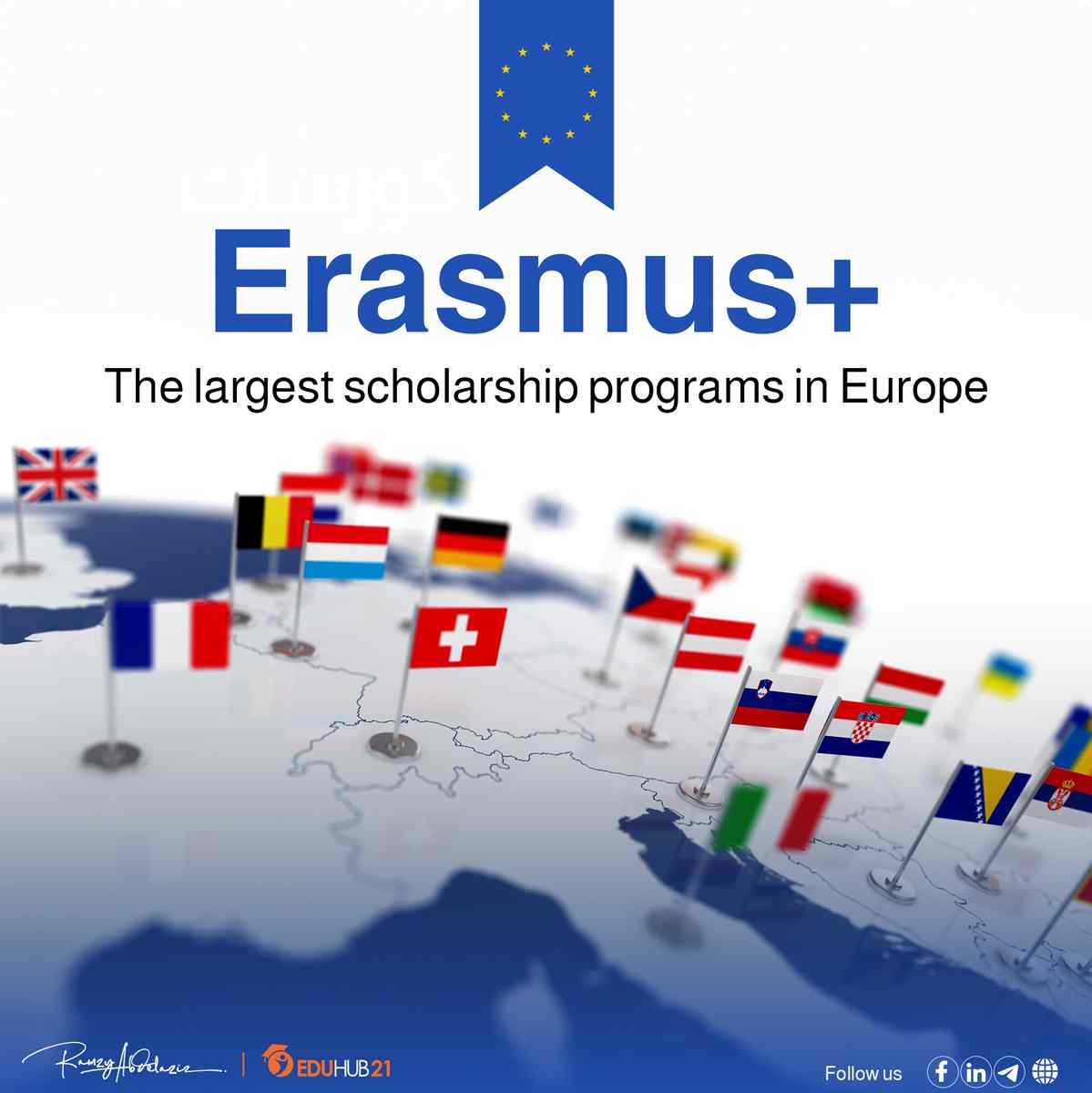
The scholarship landscape itself is incredibly diverse, which can be both a blessing and a curse. You’ve got the big names, like the renowned Erasmus+ program, which offers fully funded scholarships for Master’s and Doctoral degrees across multiple European universities. This program, a true jewel in the crown of European education, is designed to foster international cooperation and mobility, allowing students to study in at least two different European countries during their program. It’s a fantastic option for those seeking a truly pan-European experience. Then there are country-specific scholarships, funded by national governments – think DAAD scholarships in Germany, Eiffel scholarships in France, or specific grants from the Italian Ministry of Foreign Affairs. These often aim to attract top talent to their respective nations. Beyond these, individual universities offer their own scholarships, sometimes based on academic merit, sometimes on financial need, and sometimes tailored to specific fields of study. Private foundations and organizations also step in, supporting students in niche areas or from particular backgrounds. My advice to anyone starting out is to cast a wide net initially, looking at all types of "scholarships for Europe," then slowly narrowing down the options based on your field of study, academic profile, and personal preferences.
My research phase was relentless. I created spreadsheets, filled with deadlines, eligibility criteria, required documents, and contact information for each potential "Europe scholarship." It was tedious work, sometimes disheartening, especially when I’d spend hours researching only to find I didn’t meet a specific requirement. But I learned to see each "no" as a step closer to a "yes." I focused on finding programs that aligned perfectly with my academic background and career aspirations, because I knew that genuine interest would shine through in my application. I spent countless hours on university websites, delving into course modules, faculty research interests, and student testimonials. It wasn’t just about finding a scholarship; it was about finding the right scholarship, one that would truly be a springboard for my future.
Once I had a shortlist of promising scholarships, the real work began: crafting the application. This is where many aspiring students feel overwhelmed, and understandably so. It’s a multi-faceted process, each component demanding meticulous attention. For most European scholarships, your academic record is paramount. Good grades are often the foundation, demonstrating your ability to excel in a challenging academic environment. My transcripts became central to my application packets, each mark a testament to my dedication. But it’s not just about numbers. Many programs also look for extracurricular activities, volunteer work, or relevant professional experience that demonstrates leadership, initiative, and a well-rounded personality.
Then came the language proficiency tests. For many programs taught in English across Europe, demonstrating fluency through exams like IELTS or TOEFL is non-negotiable. I remember the anxiety leading up to my test, practicing essay writing and listening comprehension until my ears ached. It felt like another hurdle, but a necessary one, proving that I could not only understand the lectures but also participate actively in discussions. If you’re aiming for a program in a local language, say German or French, be prepared for even more intensive language preparation. Some scholarships even offer language courses as part of their package, which is a fantastic bonus.
The personal statement, or motivation letter, was perhaps the most crucial part of my application. This wasn’t just a formality; it was my chance to tell my story, to explain why I deserved this particular "Europe scholarship." I poured over every word, crafting multiple drafts. I didn’t just list my achievements; I connected them to my aspirations. I explained why I wanted to study in Europe, why this specific program, and how it aligned with my future goals. I shared anecdotes that revealed my passion, my resilience, and my unique perspective. It wasn’t about sounding like an academic robot; it was about sounding like myself, enthusiastic and genuine. I made sure to tailor each statement to the specific program and university, highlighting how my skills and interests would contribute to their academic community. This is where you truly stand out from the crowd; anyone can have good grades, but not everyone can articulate their dreams with sincerity and conviction.
Letters of recommendation were another vital piece of the puzzle. I carefully chose professors who knew me well, who could speak to my academic abilities, my work ethic, and my character. I provided them with all the necessary information: my resume, my personal statement, and details about the programs I was applying to. This made it easier for them to write strong, personalized letters that genuinely advocated for me. It’s a collaborative effort, and choosing the right recommenders can significantly bolster your application for a "fully funded scholarship Europe."
Finally, there was the curriculum vitae (CV) or resume. This needed to be concise, professional, and highlight relevant academic and professional experiences. I meticulously formatted it, ensuring it was easy to read and showcased my strengths effectively. Gathering all these documents – transcripts, certificates, passport copies, language test scores – felt like assembling a complex puzzle, but each piece brought me closer to the full picture.
After weeks, sometimes months, of meticulously preparing and submitting applications, came the agonizing waiting game. This period tested my patience like nothing else. Every email notification sent a jolt through me. Some were rejections, gentle let-downs that stung but also reminded me of the competitive nature of these scholarships. Others were invitations for interviews, a thrilling next step.
My interviews, mostly conducted online due to geographical distances, were nerve-wracking. I practiced answering common questions: "Why this program?", "What are your strengths and weaknesses?", "Where do you see yourself in five years?" But more importantly, I prepared to show my personality and genuine enthusiasm. I researched the faculty, understood the program’s unique aspects, and had thoughtful questions ready to ask them. It wasn’t just about them evaluating me; it was also about me confirming if this was the right fit. I remember one interview where I got flustered by a technical question, but I recovered by honestly admitting I wasn’t sure but explaining my thought process on how I would find the answer. Authenticity, I realized, was key.
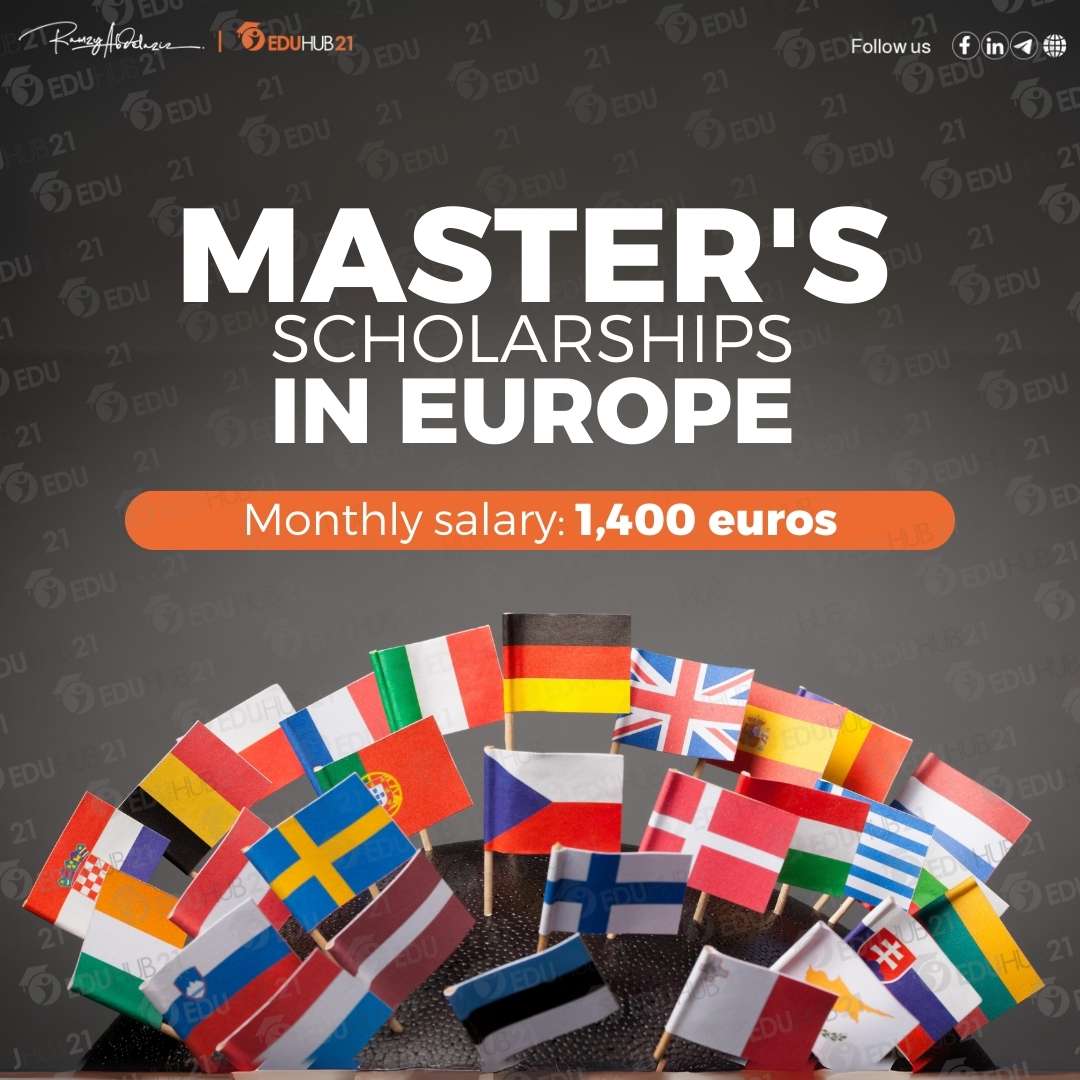
Then, one sunny afternoon, an email arrived. The subject line was nondescript, but my heart pounded as I opened it. It was an acceptance letter for a prestigious "Europe scholarship," offering full tuition, a monthly stipend, and travel costs. I reread it countless times, tears welling up in my eyes. The dream was no longer a distant star; it was a tangible reality. It felt surreal, like winning the lottery after years of playing. All the late nights, the endless research, the self-doubt – it all culminated in this moment of pure joy and profound relief.
Packing my bags and saying goodbye to family and friends was bittersweet. There was immense excitement for the unknown, mixed with a touch of fear. Stepping off the plane onto European soil for the first time was an experience I’ll never forget. The air felt different, the sounds were new, and everything around me was a vibrant tapestry of cultures I’d only read about. The initial weeks were a whirlwind of administrative tasks, finding accommodation, navigating public transport, and trying to understand a new city. It was challenging, sometimes lonely, but also incredibly exhilarating.
Life as a scholar in Europe was everything I had imagined and more. My classes were stimulating, taught by leading experts in their fields. I found myself in diverse classrooms, learning not just from professors but from my peers, who hailed from dozens of different countries. Debates in seminars were lively, offering perspectives I’d never considered. Outside of academics, I embraced every opportunity. I explored ancient ruins, hiked through stunning landscapes, learned a few phrases in the local language, and tasted cuisines that tantalized my taste buds. I joined student clubs, volunteered for local initiatives, and made friends who became my chosen family far from home. These experiences, facilitated by my "European university scholarship," weren’t just about getting a degree; they were about truly living, learning, and growing.
Of course, it wasn’t always a fairytale. There were moments of homesickness, cultural misunderstandings, and academic pressures. I remember one particularly challenging assignment where I felt completely overwhelmed, doubting my abilities. But these moments of struggle taught me resilience. I learned to ask for help, to adapt, and to find strength in my new community. I discovered a newfound independence and problem-solving skills I never knew I possessed. Every challenge I overcame made the experience richer, more meaningful.
For anyone out there dreaming of a "Europe scholarship," my advice is simple but profound: start early, be persistent, and be authentic. Don’t wait until the last minute; the application process is lengthy and demanding. Give yourself ample time for research, drafting essays, and gathering documents. Don’t be discouraged by rejections; they are part of the journey. Learn from them, refine your approach, and keep applying. Most importantly, let your true self shine through in your application. Universities and scholarship committees are looking for unique individuals with genuine passion and potential, not just perfect scores. Tell your story, explain your motivations, and show them why you are the ideal candidate to benefit from and contribute to their community.
Network with current and former scholarship recipients; their insights can be invaluable. Attend webinars, read blogs, and scour official university and scholarship websites for the most up-to-date information. Tailor each application meticulously to the specific program. Generic applications rarely succeed. Proofread everything, multiple times, and have someone else review it for errors. A small typo can sometimes undermine an otherwise strong application. Remember, securing a "fully funded scholarship Europe" is not just about luck; it’s about strategic planning, hard work, and unwavering belief in your own potential.
My time as a scholar in Europe transformed me in ways I never could have imagined. It opened my eyes to the world, broadened my horizons, and equipped me with skills and experiences that continue to shape my life and career. It wasn’t just about earning a degree; it was about embarking on an incredible adventure of self-discovery, cultural immersion, and academic excellence. If you have that dream, that spark of curiosity about studying abroad, know that a Europe scholarship can make it a reality. It’s a challenging path, yes, but one that is incredibly rewarding, filled with unforgettable experiences and opportunities that will stay with you for a lifetime. So, go ahead, trace that map, and start your own journey. The vibrant continent of Europe, with its countless opportunities, awaits.