The Golden Ticket to a Brighter Tomorrow: My Journey Through Scholarships for Developing Countries

I remember gazing at the worn-out atlas in our village school, my finger tracing lines across continents, dreaming of worlds beyond the dusty path leading to my home. For many of us growing up in places where resources were scarce, the idea of higher education, especially abroad, felt like a distant star – beautiful to behold, but utterly out of reach. It wasn’t just about good grades; it was about the crushing weight of financial impossibility. My parents, like so many others, worked tirelessly, their hands calloused, their backs aching, just to put food on the table and keep a roof over our heads. The thought of burdening them further with university fees, let alone the astronomical cost of studying in another country, felt selfish, almost cruel. It wasn’t a question of intelligence or ambition; it was simply a matter of economics.
But then, a whisper turned into a hopeful murmur, and that murmur eventually became a powerful song: scholarships. I first heard about them from an older cousin who, against all odds, had managed to study engineering in a neighboring country. He spoke of "grants" and "aid" that covered everything – tuition, living costs, even his flight tickets. It sounded like magic, too good to be true, something reserved for people in stories, not for someone like me. Slowly, though, I started asking around, sifting through old newspapers that sometimes had tiny announcements, visiting internet cafes where the connection was often flaky but the hope was strong. Each conversation, each flickering webpage, chipped away at my skepticism, replacing it with a fragile but persistent belief that maybe, just maybe, this dream wasn’t entirely impossible.
So, what exactly are these golden tickets? In simple terms, scholarships are financial awards given to students to help them pay for their education. But for those of us from developing countries, they are so much more than just money; they are lifelines, bridges to opportunities that would otherwise remain firmly closed. Think of them like helping hands offered by various groups who believe in the power of education and want to see talented young people thrive, regardless of their family’s income.
Some scholarships come from governments – often from wealthier nations looking to build stronger international ties, foster global development, or simply attract bright minds to their universities. They might have specific goals, like encouraging studies in sustainable agriculture or public health, areas crucial for the growth of developing nations. Then there are those offered directly by universities themselves. These institutions are always on the lookout for diverse student bodies, knowing that students from different backgrounds bring unique perspectives that enrich classroom discussions and campus life. They want to create a vibrant, global community, and welcoming students from places like mine is a big part of that. Beyond these, you’ll find private organizations, charitable foundations, or even individuals who have established funds because they deeply believe in the power of education to change lives, not just for the student, but for their entire community.
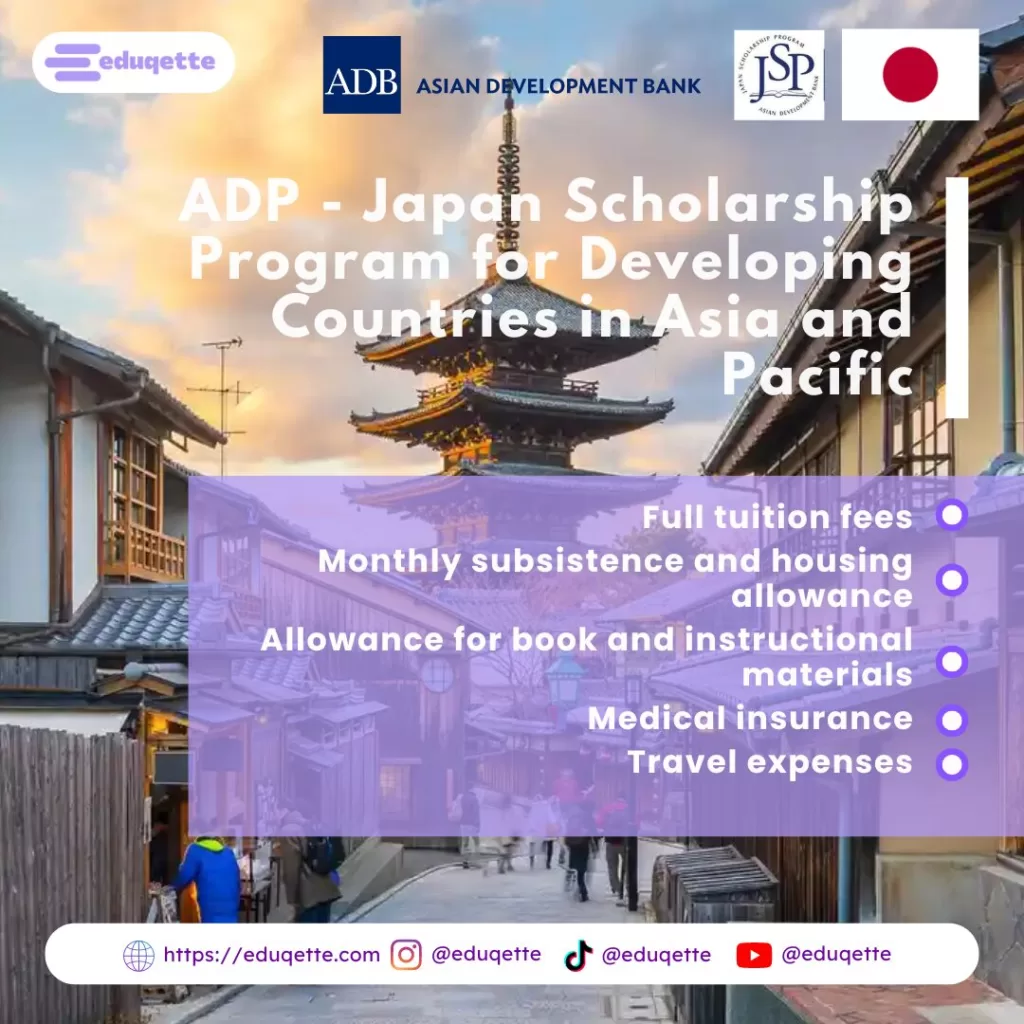
The types of scholarships vary greatly. Some are "full-ride," meaning they cover absolutely everything – tuition fees, accommodation, food, books, travel expenses, and even a small allowance for personal needs. These are the most coveted, of course. Others might cover just tuition, leaving you to figure out living costs. It’s crucial to understand what each scholarship offers before you apply, so you know exactly what you’re getting into. But even a partial scholarship can be a huge help, significantly easing the financial burden and making the dream a little more tangible.
Why do these scholarships exist? It’s not just an act of charity, though it certainly feels like a monumental gift. It’s an investment. Universities want to diversify their campuses, bringing in new ideas and global understanding. Countries want to nurture future leaders who understand global challenges and can contribute to solutions, often hoping these individuals will return home with newfound skills and knowledge. Foundations and private donors are driven by a desire to empower individuals who will, in turn, contribute to their communities and countries, creating a ripple effect of positive change. It’s a win-win situation, a belief in human potential that transcends borders and economic status.
The journey to securing one of these scholarships, however, is rarely a straight path. It’s a winding road filled with hard work, persistence, and often, a fair bit of self-doubt. My own journey certainly was. It taught me that this isn’t just about luck; it’s about preparation, about showing the world what you’re made of, and about telling your story in a way that resonates.
First, there’s the academic preparation. Those late nights studying under a flickering lamp, the hours spent poring over textbooks borrowed from the library, the effort to understand complex concepts – they all matter. Scholarships look for academic excellence, for students who have shown dedication and aptitude in their studies. But it’s not just about grades. They also look for well-rounded individuals. Did you help organize a clean-up campaign in your community? Tutor younger kids in math? Play a sport or participate in a drama club? These extracurricular activities show that you’re more than just textbooks; you’re a person who engages with the world, takes initiative, and cares about something beyond yourself.
Then there’s the language barrier. For many of us, English wasn’t our first language, but it was often the key to unlocking opportunities in international universities. The thought of taking a standardized English proficiency test like the TOEFL or IELTS felt daunting. It meant hours of practicing listening, speaking, reading, and writing, often with limited resources. But these tests were a necessary hurdle, a way to prove that I could navigate academic life in an English-speaking environment.
Once you have your grades, your activities, and your language scores, the real adventure begins: navigating the application maze. This was perhaps the most overwhelming part for me. It felt like searching for a needle in a haystack, but with persistence, the haystack started to shrink. I learned to use specific search terms online, to look at university international student pages, and to trust reputable scholarship aggregators – always double-checking their legitimacy, of course. Websites like DAAD for Germany, Chevening for the UK, Fulbright for the US, and many university-specific portals became my daily companions.
Each scholarship had its own list of requirements: official academic transcripts, multiple recommendation letters, proof of English proficiency, and of course, the dreaded personal statement or essay. This essay was your chance to tell your story, not just list your achievements. They wanted to know you. What drives you? What challenges have you overcome? How will this education help you not just yourself, but your community, your country? I remember writing draft after draft, pouring my heart onto the page, sharing my dreams and the struggles that had shaped them. I talked about the lack of clean water in my village and my aspiration to study environmental engineering, or the limited access to healthcare and my desire to become a doctor. It wasn’t about sounding smart; it was about sounding real and passionate, connecting my personal journey to a larger purpose. I learned that honesty, vulnerability, and a clear vision for the future were far more impactful than trying to use fancy words.
Choosing who would write your recommendation letters was also important. Not just anyone, but teachers or mentors who knew you well, who could speak to your character, your work ethic, and your potential beyond just grades. I carefully approached my favorite science teacher and the head of our community youth group, explaining my aspirations and providing them with all the information they needed to write strong, personal letters.
If you were lucky enough to get to the interview stage, it meant they were genuinely interested. It was nerve-wracking, often over a shaky video call from the internet café, but it was another chance to let your personality shine, to articulate your goals, and to show your genuine enthusiasm. I practiced answering common questions, tried to anticipate what they might ask, and made sure I had questions of my own to show my engagement.
The path was far from smooth. There were so many rejections. So many "we regret to inform you" emails that felt like tiny stabs to the heart. It’s easy to get discouraged, to feel like giving up. My family, though supportive, sometimes questioned if it was worth all the effort, all the money spent on internet time and application fees. But each "no" wasn’t a dead end; it was a redirection. It taught me to refine my applications, to look for different opportunities, to strengthen my resolve. It built a resilience I didn’t know I had. I remember one particularly tough week, I received three rejections in a row. I just sat on our porch, watching the sunset, feeling utterly defeated. My mother came and sat beside me, not saying much, just putting a hand on my shoulder. That quiet comfort was all I needed to pick myself up and try again the next morning. Each rejection, painful as it was, taught me something new about myself and about the application process. It made me stronger, more determined.
When that acceptance letter finally arrived – the one with the full scholarship offer – it felt like the world had tilted on its axis. The joy was immense, a relief that washed over me like a warm wave. But it was quickly followed by a new set of anxieties: leaving home, navigating a new culture, facing academic rigor in a foreign language, all by myself.
Life abroad was, as expected, a whirlwind. It wasn’t always easy. Homesickness hit hard, especially during holidays when I missed my family and the familiar rhythm of our village life. The food was different, the weather was unfamiliar, and sometimes, the academic pace felt relentless. There were moments of confusion, cultural misunderstandings, and the occasional feeling of being utterly overwhelmed. But I also discovered a world of incredible people – fellow international students from every corner of the globe, supportive professors who genuinely wanted to see me succeed, and new friends from all walks of life. I learned to be independent, to adapt, to see the world through new eyes. I learned about myself in ways I never could have back home, discovering strengths and capabilities I never knew I possessed. Every challenge became a lesson, every new experience a building block for my future.
The education I received wasn’t just for me. It was a privilege, a responsibility. The whole point of many of these scholarships, especially those for developing countries, is to empower individuals who will eventually contribute to their home nations. Whether it’s returning to apply new skills, collaborating on international projects, or simply serving as an inspiration to younger generations, the ripple effect is profound. I’ve seen friends who studied medicine come back to improve rural healthcare, engineers building sustainable infrastructure, and educators revolutionizing teaching methods in their own communities. It’s a powerful testament to what happens when you invest in human potential and trust individuals to make a difference. The knowledge and experiences gained aren’t just for personal advancement; they’re tools for national development, for solving the very problems that fueled the initial dream of studying abroad.
So, if you’re reading this, gazing at your own atlas, tracing those lines, and dreaming your own dreams, please know this: that distant star is not out of reach. It takes courage, perseverance, and a lot of hard work. It will test you, stretch you, and sometimes make you want to give up. But the journey itself, even the struggle, is part of the transformation.
Start small. Research. Ask questions. Talk to anyone who has walked this path before you. And most importantly, tell your story. Don’t be afraid to dream big, because sometimes, those dreams are exactly what someone else is looking to invest in. Your background isn’t a barrier; it’s a unique perspective, a story waiting to be told, a strength that the world needs. Go on, trace those lines on your map. Your adventure awaits, and with a bit of grit and a lot of hope, you might just find your own golden ticket to a brighter tomorrow.