
Imagine standing on the precipice of a lifelong dream: college. You can almost taste the independence, the late-night study sessions, the vibrant campus life, and the promise of a brighter future. But then, a cold wave of reality washes over you: the price tag. For many, that hefty sum for tuition, books, and living expenses feels like an insurmountable mountain, threatening to bury that dream before it even truly begins. You’re not alone in this feeling. Millions of students and families across the United States face the daunting challenge of how to pay for college. It’s a common story, one filled with anxiety about college expenses and the fear of drowning in student debt. But what if I told you there’s a powerful tool, a beacon of hope that can light your path through this financial fog? That tool is scholarship funding.
Forget the notion that scholarships are only for valedictorians or athletic superstars. While those certainly exist, the world of scholarship funding is far broader and more accessible than you might think. It’s a vast ocean of free money for college, just waiting for you to cast your net. My aim here is to guide you through that ocean, helping you understand how to navigate its currents, identify the best fishing spots, and ultimately, secure the funds that can turn your college dream into a tangible reality, without the crushing burden of excessive student loans vs scholarships. Let’s embark on this journey together, one step at a time, to unlock the incredible potential of scholarship opportunities for your higher education.
Chapter 1: Dispelling the Myths and Embracing the Reality of Free Money
Before we dive into the "how-to," let’s clear up some common misconceptions about scholarship funding. Many people assume that scholarships are incredibly rare, intensely competitive, and only awarded to a select few. This simply isn’t true. While some are indeed highly sought after, countless scholarships go unclaimed every year because students either don’t know they exist or don’t believe they qualify. Think about that for a moment: money specifically set aside to help you pay for your education, sitting there, untouched.
The biggest distinction you need to grasp early on is the difference between scholarships and loans. Loans, as you know, must be repaid, often with interest. They can be a necessary part of your financial aid for college package, but they should ideally be your last resort. Scholarships, on the other hand, are gifts. They are college grants that you don’t have to pay back. They are, quite literally, free money for college. This is why maximizing your scholarship funding efforts is so crucial. Every dollar you receive in scholarships is a dollar you won’t owe later, directly reducing your future college debt.
The landscape of tuition assistance is complex, but scholarships offer a clear advantage. They come from a myriad of sources: universities themselves, private organizations, foundations, corporations, community groups, and even individuals. Each has its own criteria, from academic achievement to specific talents, community service, heritage, chosen major, or even unique hobbies. This diversity means there’s likely a scholarship out there for almost everyone. The key is knowing where to look and how to present yourself effectively. Our goal is to make securing scholarships a manageable, even exciting, part of your college preparation.
Chapter 2: Where to Begin Your Scholarship Hunt: Navigating the Digital Seas and Local Shores
The first step in any successful quest is knowing where to search. When it comes to finding scholarships, you have a powerful ally in the digital age: scholarship search engines. Websites like Fastweb, Scholarship.com, Cappex, and College Board’s BigFuture are excellent starting points. You’ll create a profile, input details about your academic record, interests, ethnicity, major, and even quirky hobbies, and these platforms will match you with potential scholarship opportunities. Think of them as your personal matchmakers for money.
However, don’t stop there. While these online tools are fantastic for casting a wide net, some of the best private scholarships are found closer to home. Your high school guidance counselor is an invaluable resource. They often have lists of local scholarships, unique to your community, that might not show up on national databases. These local awards often have fewer applicants, significantly increasing your chances of winning.
Beyond your school, consider:
- Your parents’ employers: Many companies offer scholarships for employees’ children.
- Local community organizations: Rotary Clubs, Lions Clubs, Chambers of Commerce, local churches, and cultural groups often have their own scholarship funding programs.
- Your college’s financial aid office: Once you’ve been accepted to a school, check their website and contact their financial aid department. Many universities offer their own institutional scholarships, both merit-based and need-based, that are only available to their admitted students.
- Professional organizations related to your desired major: If you know what you want to study, look for associations in that field. They frequently support aspiring professionals with tuition assistance.
The key here is variety. Don’t rely on just one source. Create a comprehensive strategy that combines broad online searches with targeted local inquiries. This multi-pronged approach will help you uncover a wider range of scholarship opportunities and maximize your chances of scholarship success.
Chapter 3: Decoding Scholarship Types: From Brains to Background
Understanding the different categories of scholarships will help you target your efforts more effectively. They generally fall into a few main buckets:
-
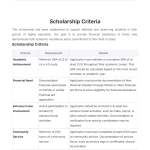
Merit-Based Scholarships: These are awarded primarily for achievement. This could be academic excellence (high GPA, test scores), artistic talent (music, drama, visual arts), athletic prowess, leadership skills, or a combination. If you excel in a particular area, this is where you shine. Many universities offer generous merit-based scholarships directly based on your application materials, sometimes without a separate application.
-
Need-Based Scholarships: These are for students who demonstrate financial need. The primary tool for determining this is the Free Application for Federal Student Aid (FAFSA). Filling out the FAFSA explained process thoroughly and accurately is paramount, as it opens the door not only to federal grants and loans but also to many institutional and private scholarships tied to financial need. Even if you don’t think you’ll qualify for federal aid, completing the FAFSA is often a prerequisite for all other forms of financial aid for college, including many scholarships.
-
Specific Criteria Scholarships: This is where the world of scholarship funding gets really interesting and diverse. These scholarships target specific demographics, interests, or backgrounds. Examples include:
- Ethnic or religious group scholarships: For students of particular heritage.
- Major-specific scholarships: For those pursuing engineering, nursing, teaching, etc.
- Location-based scholarships: For residents of a specific city, county, or state.
- "Unusual" scholarships: For left-handed students, tall students, students with unique hobbies (like duck calling or creating a prom outfit out of duct tape!), or even specific family histories. These are often the ones with less competition.
- Fully Funded Scholarships: These are the holy grail, covering all or nearly all of your college costs. While highly competitive, they are worth pursuing, especially from top universities or specific foundations looking for exceptional talent or commitment.
-
Community Service Scholarships: If you’re passionate about giving back, there are numerous awards for students who have demonstrated a commitment to volunteering and making a difference in their communities. This shows character and leadership, qualities highly valued by scholarship providers.
When you’re sifting through potential scholarship opportunities, pay close attention to the scholarship eligibility and scholarship requirements. Don’t waste your time applying for awards you clearly don’t qualify for. Instead, focus your energy on those that align perfectly with your profile. This strategic approach is a cornerstone of effective scholarship strategies.
Chapter 4: Crafting Your Winning Application: Telling Your Story with Heart
Okay, you’ve found a handful of promising scholarships. Now comes the critical part: the application. This is where you move beyond just checking boxes and start telling your unique story. Remember, scholarship committees aren’t just looking at numbers; they’re looking for individuals.
-
The Scholarship Essay: Your Voice, Your Narrative. This is arguably the most important component. Many students make the mistake of simply listing their achievements. Instead, think of your essay as an opportunity to reveal who you are, what motivates you, and why you deserve this particular award.
- Answer the prompt directly: Make sure you address every part of the question.
- Tell a story: Use vivid language and specific anecdotes. Did you overcome a challenge? Learn a valuable lesson from a volunteer experience? How has your passion for your chosen field developed? Show, don’t just tell.
- Be authentic: Let your personality shine through. Don’t try to guess what the committee wants to hear; tell them your truth.
- Connect to the scholarship’s mission: If the scholarship is for aspiring nurses, talk about your experiences caring for others or why you’re drawn to healthcare.
- Proofread meticulously: Typos and grammatical errors can instantly sink your application. Read it aloud, have a trusted friend or teacher review it. This attention to detail reflects your commitment. Essay writing for scholarships is a skill, and it improves with practice.
-
Letters of Recommendation: Choose Your Champions Wisely. These letters can provide crucial external validation.
- Who to ask: Select teachers, counselors, employers, or community leaders who know you well and can speak to your character, work ethic, and achievements. Don’t just pick someone with a fancy title if they don’t know you personally.
- How to ask: Ask politely and well in advance of the deadline. Provide them with everything they need: your resume, the scholarship prompt, your essay (if applicable), and clear instructions on how to submit the letter. Remind them of specific achievements or qualities you’d like them to highlight.
-
Resume/Activity List: Showcase Your Life. This isn’t just a list of clubs. It’s a snapshot of your dedication, leadership, and impact.
- Be detailed: Include dates, hours committed, and specific accomplishments (e.g., "Led a team of 5 volunteers to raise $500 for local animal shelter" instead of "Member, animal club").
- Highlight transferable skills: Even if an activity isn’t directly academic, think about what skills it developed (teamwork, problem-solving, creativity).
-
The Application Form Itself: Fill out every section completely and accurately. Don’t leave blanks unless specifically instructed. Follow all instructions to the letter. This shows you’re serious and capable of following directions – a good quality for any future student.
Remember, every piece of your application contributes to the overall picture you present. Your goal is to paint a compelling portrait of a deserving, motivated, and unique individual. This thorough approach to scholarship applications significantly boosts your chances of winning scholarships.
Chapter 5: The Marathon, Not a Sprint: Persistence and Organization in Your Scholarship Journey
Searching and applying for scholarships isn’t a one-time event; it’s an ongoing process. Think of it as a marathon, not a sprint. Many students get discouraged after a few rejections or finding that initial burst of energy wanes. But persistence is key to scholarship success.
-
Create a Scholarship Calendar: This is perhaps the most vital organizational tool. List every scholarship you’re interested in, its requirements, and, most importantly, its scholarship deadlines. Set reminders weeks in advance, not just days. Missing a deadline means missing an opportunity, plain and simple.
-
Track Your Applications: Keep a spreadsheet or a simple document where you log:
- Scholarship name and website
- Eligibility criteria
- What you submitted (essay, recommendations, transcript)
- Date submitted
- Status (applied, pending, rejected, accepted)
- Amount awarded (if any)
This helps you stay organized, avoid duplicate efforts, and keep a clear picture of your progress. It also makes it easier to repurpose essays or gather documents for future applications.
-
Dealing with Rejection: You will likely face rejections. Everyone does. Don’t let it deter you. View each rejection as a learning experience, not a personal failure. There are many reasons why an application might not be chosen, and often, it has nothing to do with your merit. Perhaps another candidate simply fit the specific criteria a tiny bit better, or the committee had a different vision. The important thing is to keep applying. The more applications you submit (thoughtfully and carefully, of course), the higher your chances of success.
-
Reapply, Reapply, Reapply: Many scholarships are annual. If you didn’t get it this year, you might next year. As you gain more experience, higher grades, or more community involvement, your profile strengthens. Don’t be afraid to update your application and try again. This consistent effort is a hallmark of successful scholarship strategies.
Remember, every successful scholarship recipient will tell you a story of effort and perseverance. It’s a commitment, but the reward – significantly reduced college expenses and freedom from debt – is well worth the investment of your time. This disciplined approach to applying for scholarships is what sets successful applicants apart.
Chapter 6: Beyond the Application: What Happens Next and Combining Aid
Once you’ve submitted your scholarship applications, the waiting game begins. Some scholarships will notify you quickly, others might take months.
-
Interviews (If Any): For some larger or more competitive scholarships, you might be invited for an interview. Treat this like a job interview. Research the organization, practice answering common questions (why you, why this scholarship, your future goals), and dress appropriately. Be polite, confident, and articulate. This is another chance to let your personality shine and reinforce why you are a deserving candidate.
-
Acceptance Letters and Award Notifications: Congratulations! When you receive an award letter, read it carefully. Understand the terms:
- What is the exact amount?
- Is it renewable? If so, what are the requirements to renew it (e.g., maintain a certain GPA)?
- How will the funds be disbursed (directly to you, directly to the school)?
- Are there any conditions (e.g., must enroll full-time, must major in a specific field)?
-
Combining Scholarships with Other Financial Aid: It’s rare for one scholarship to cover all your costs. Most students piece together their funding higher education from multiple sources. This could include:
- Multiple scholarships: Many students win several smaller scholarships that add up to a significant amount.
- Federal and state grants: Like the Pell Grant or state-specific programs (determined by FAFSA).
- Work-study programs: Earning money through a campus job, often subsidized by the federal government.
- Institutional aid: Aid provided directly by the college or university.
- Student loans: If absolutely necessary, after exhausting all other "free money" options.
When your college sends you a complete financial aid offer, it will itemize all the financial aid for college you’re eligible for, including college grants, scholarships, and loans. Compare these offers if you’ve been accepted to multiple schools. Don’t be afraid to contact the financial aid office if you have questions or believe there’s been an error. Sometimes, you can even appeal for more aid if your financial circumstances have changed. Understanding the full picture of your tuition assistance is crucial for making informed decisions.
Chapter 7: Special Considerations: International Students, Graduate Studies, and Unique Paths
The quest for scholarship funding isn’t just for traditional undergraduate students.
-
International Student Scholarships: If you’re an international student looking to study in the US, the path can be more challenging, but opportunities exist. Many universities offer specific international student scholarships to attract diverse talent. Look for scholarships from your home country’s government, international organizations, and US-based foundations that support global education. Early research is key here.
-
Graduate Scholarships: For those pursuing master’s degrees or PhDs, the landscape changes slightly. Many graduate programs offer assistantships (teaching, research) that include a stipend and tuition waiver. There are also specific graduate scholarships from professional organizations, research councils, and university departments. The application often focuses more on your research interests, academic publications, and letters from previous professors.
-
Unique Paths: Whether you’re a non-traditional student returning to school, a veteran, or someone with a unique background, there are scholarships tailored to you. Don’t assume your situation is too niche. Use those specific characteristics as strengths in your scholarship hunt.
The common thread across all these scenarios is proactive research, diligent application, and a refusal to give up. The journey to funding higher education is deeply personal, and your unique story will be your greatest asset.
Your Future Awaits: Take Action Now
The dream of a college education shouldn’t be derailed by financial worries. Scholarship funding is a powerful, often underutilized, resource that can make your aspirations a reality. It requires effort, organization, and persistence, but the rewards are profound: the chance to pursue your education without the crushing weight of debt, the freedom to choose your path, and the opportunity to focus on learning rather than worrying about bills.
Start today. Open those scholarship search engines, talk to your counselors, and reach out to local organizations. Begin crafting your story, polishing your essays, and gathering your recommendation letters. Set up your scholarship calendar and commit to regular application sessions. Every application you submit is a step closer to reducing college debt and securing your future.
Remember, this isn’t just about money; it’s about investing in yourself. It’s about demonstrating your worth, your drive, and your potential. By actively pursuing scholarship opportunities, you’re not just asking for help; you’re proving you deserve it. Go forth, tell your story, and claim your share of the free money for college that awaits you. Your future self, free from debilitating student loans, will thank you.