Understanding Scholarship Eligibility Criteria: Your Complete Guide to Funding Your Education

The dream of higher education often comes with a significant price tag, but scholarships offer a powerful way to make that dream a reality without the burden of heavy debt. However, the world of scholarships can seem like a maze, filled with specific requirements and fine print. Knowing how to navigate scholarship eligibility criteria is your first and most crucial step towards securing financial aid. This comprehensive guide will break down everything you need to know, from academic achievements to personal background, helping you understand what scholarship committees are truly looking for.
1. Academic Merit: The Foundation of Many Scholarship Opportunities
For many scholarships, your academic record is the first thing evaluators will look at. It tells a story about your dedication, intelligence, and potential to succeed in higher education.
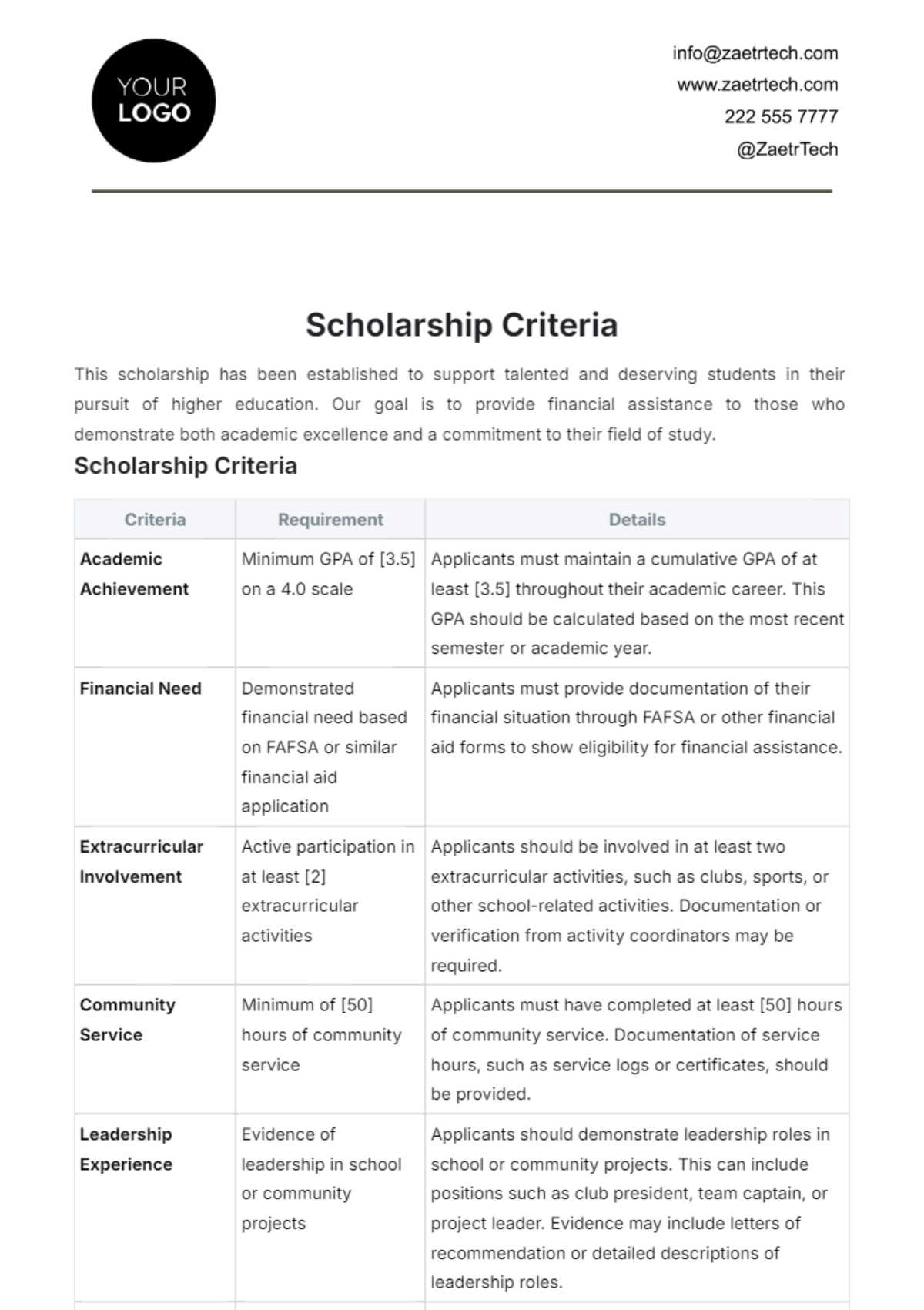
- Grade Point Average (GPA) Requirements for Scholarships: This is perhaps the most common academic criterion. Most scholarships will state a minimum GPA, such as a 2.5, 3.0, or 3.5 on a 4.0 scale. "Academic merit scholarships" often look for higher GPAs, reflecting exceptional performance. Don’t just meet the minimum; exceeding it can make your application stand out. Some scholarships might even focus on your GPA in specific subjects relevant to your chosen major, so always check the details.
- Standardized Test Scores (SAT, ACT, GRE, GMAT, TOEFL, IELTS): While some institutions and scholarships are becoming test-optional, many still require or strongly consider scores from standardized tests. For undergraduate scholarships, the SAT and ACT are most common. Graduate scholarships often look at GRE or GMAT scores. If you’re an international student applying to a US university, English proficiency tests like TOEFL or IELTS are almost always a must. Strong scores here demonstrate readiness for college-level work and can be a significant boost for "college scholarships for good grades."
- Course Rigor and Academic Achievements: It’s not just about the grades you get, but also the difficulty of the courses you take. Did you challenge yourself with Advanced Placement (AP), International Baccalaureate (IB), or dual enrollment courses? Participation in academic competitions, science fairs, debate clubs, or scholarly research projects can also significantly strengthen your academic profile. These activities show initiative and a genuine love for learning beyond the classroom.
- Transcripts and Academic History: Your official transcripts provide a detailed record of your academic journey. Ensure they are accurate and submitted correctly. Some scholarships might ask for a narrative about your academic journey, allowing you to explain any challenges or triumphs.
2. Financial Need: Bridging the Gap for Students
Many scholarships are specifically designed to help students who might struggle to afford college. These "financial need scholarships" aim to level the playing field.
- Understanding "Financial Need": This generally refers to the difference between the cost of attending a particular institution and what your family is expected to contribute. It’s not just about being "low-income"; even middle-income families can demonstrate need depending on the school’s cost and their specific financial situation.
- FAFSA (Free Application for Federal Student Aid) and CSS Profile: These are the primary forms used to determine your financial need in the US. The FAFSA is essential for federal aid and many institutional scholarships, while the CSS Profile (used by a smaller number of private colleges) often requires more detailed financial information. Completing these accurately and on time is critical for "FAFSA scholarship requirements."
- Expected Family Contribution (EFC) / Student Aid Index (SAI): The FAFSA calculates an EFC (soon to be replaced by the Student Aid Index, or SAI), which is an index number colleges use to determine how much financial aid you’re eligible for. A lower EFC/SAI generally means greater financial need.
- Income Thresholds and Documentation: "Low-income scholarships" will often have specific income thresholds or require documentation like tax returns, W-2 forms, and bank statements to verify your family’s financial situation. Be prepared to provide detailed and accurate information. Scholarship committees want to ensure their funds are going to those who genuinely need them.
3. Extracurricular Activities and Leadership: Beyond the Classroom
Scholarship committees aren’t just looking for good students; they’re looking for well-rounded individuals who contribute to their communities. Your involvement outside of academics can be a powerful differentiator.
- Variety of Activities: This includes sports, school clubs, community service, volunteer work, part-time jobs, artistic pursuits (music, art, theater), and religious group involvement. The key isn’t to list every single activity you’ve ever done, but to show meaningful engagement.
- Leadership Roles for College Scholarships: Holding leadership positions—being a team captain, club president, student government representative, or organizing a community event—demonstrates initiative, responsibility, and the ability to influence others positively. "Leadership scholarships" specifically target students who have shown a strong capacity for leading.
- Impact and Commitment: Quality often trumps quantity. Did you just show up, or did you make a real difference? Did you stick with an activity for several years, showing dedication and growth? Quantify your impact where possible (e.g., "raised $500 for local charity," "mentored 10 younger students").
- Documenting Your Involvement: Keep a clear record of your activities, including dates, hours, and your specific roles and accomplishments. This will make filling out scholarship applications much easier. "Community service scholarships" often require detailed logs of your volunteer hours and reflections on your experiences.
4. Specific Demographics and Backgrounds: Tailored Opportunities
Many scholarships are created to support specific groups of students, recognizing unique challenges or aiming to promote diversity. These can be some of the most targeted and accessible scholarships if you fit the criteria.
- Ethnicity and Race: There are numerous "scholarships for minority students," including "scholarships for Black students," "Hispanic scholarships," "Asian American scholarships," and "Native American scholarships." These aim to increase representation in higher education.
- Gender-Specific Scholarships: While less common for general studies, "scholarships for women in STEM" are prevalent, encouraging female participation in fields where they are underrepresented. Some scholarships also exist for men in specific areas.
- Disability Status: Students with various disabilities can find scholarships tailored to their needs, often provided by disability advocacy groups or specialized foundations. These aim to provide additional support and resources.
- First-Generation Students: If you’re the first in your family to attend college, you may qualify for "first-generation college student scholarships." These recognize the unique challenges and triumphs of paving a new path.
- Geographic Location (State-Specific Scholarships): Many scholarships are restricted to residents of a particular state, county, or even city. Searching for "California scholarships," "Texas scholarships," or scholarships in your specific state can unlock many local opportunities. These often have less competition than national scholarships.
- Military Affiliation: Veterans, active-duty service members, and their dependents (spouses and children) often have access to a wealth of scholarships specifically designed to honor their service or family connection. "Scholarships for veterans dependents" are a common example.
- Age and Non-Traditional Students: "Scholarships for adult learners" or non-traditional students are available for those returning to school after a break, starting college later in life, or balancing education with family or work responsibilities.
- Other Unique Backgrounds: This category can include anything from "scholarships for single mothers" to scholarships for students with specific talents (e.g., artistic, musical), religious affiliations, or even unusual hobbies. The key is to thoroughly research and be open about your unique story.
5. Field of Study or Major: Investing in Future Professionals
Many organizations and companies invest in students pursuing specific academic paths, hoping to cultivate future talent in their industries.
- STEM Scholarships: Science, Technology, Engineering, and Mathematics (STEM) fields are highly sought after. "STEM scholarships" are abundant, encouraging students to pursue careers in these critical areas. Examples include "engineering scholarships," "computer science scholarships," and scholarships for specific scientific disciplines.
- Healthcare Scholarships: With a constant demand for healthcare professionals, "nursing scholarships," medical school scholarships, and scholarships for allied health fields are very common.
- Arts and Humanities Scholarships: While sometimes seen as less "practical," there are still many scholarships for students passionate about the arts (music, visual arts, theater), literature, history, philosophy, and other humanities fields. These often require portfolios or auditions.
- Business Scholarships: Students pursuing degrees in finance, marketing, management, and other business-related fields can find "business scholarships" from various corporations and professional organizations.
- Education Scholarships: For those aspiring to become teachers, counselors, or work in educational administration, scholarships exist to support their training and development.
- Specific Major Requirements: Always check if a scholarship requires you to declare a specific major or be enrolled in a particular program. Some might even require a certain academic standing within that major. "Scholarships by major" is a great search term to start with.
6. Essay and Recommendations: Your Voice and Your Advocates
Beyond the numbers and checkboxes, your essay and letters of recommendation are your chance to speak directly to the scholarship committee.
- The Scholarship Essay: This is where your personality, passion, and unique story shine. A compelling essay should answer the prompt directly, be authentic, well-written, and reflect who you are and why you deserve the scholarship. "Scholarship essay tips" often emphasize storytelling, showing impact, and aligning your goals with the scholarship’s mission. Avoid generic statements; make it personal.
- Choosing Recommenders and Recommendation Letters: Select individuals who know you well and can speak positively about your character, abilities, and potential. Teachers, counselors, employers, or mentors are ideal. Ask them well in advance, provide them with all necessary information (resume, essay, scholarship details), and remind them of the deadline. A strong "scholarship recommendation letter" highlights specific examples of your achievements and qualities, rather than just vague praise.
- Interviews (Less Common but Important): For highly competitive or prestigious scholarships, an interview might be part of the selection process. This is an opportunity to articulate your goals, demonstrate your communication skills, and show your enthusiasm in person. Prepare by researching the organization and practicing common interview questions.
General Tips for Navigating Scholarship Eligibility Criteria:
- Read Every Word Carefully: This cannot be stressed enough. Missing one small detail can disqualify your application. Pay attention to minimum GPAs, residency requirements, specific essay prompts, and required documents.
- Meet ALL Requirements: If a scholarship asks for a 3.0 GPA and you have a 2.9, move on. Don’t waste your time or the committee’s. Focus your efforts where you are a strong candidate.
- Tailor Your Application: Don’t use a generic essay for every scholarship. Customize your essay, resume, and even your list of activities to highlight what’s most relevant to that specific scholarship’s mission and criteria.
- Start Early: Gathering transcripts, getting recommendation letters, writing essays, and completing financial aid forms all take time. "Scholarship application tips" always emphasize starting the process months before deadlines.
- Seek Help: Your high school counselor, college financial aid office, or a mentor can be invaluable resources. They can help you identify scholarships, review your essays, and clarify confusing criteria.
- Persistence is Key: The scholarship search can feel overwhelming, and you might face rejections. Don’t get discouraged. The more scholarships you apply for, the higher your chances of success.
Common Pitfalls to Avoid:
- Missing Deadlines: This is the quickest way to disqualify yourself. Keep a calendar with all deadlines.
- Not Following Instructions: If they ask for a 500-word essay, don’t submit 700 words. If they want a specific file format, use it.
- Submitting Generic Applications: Scholarship committees can spot a copy-pasted essay from a mile away. Personalize everything.
- Typos and Grammatical Errors: Proofread, proofread, proofread! Ask someone else to read your application too. Sloppy applications suggest a lack of care.
- Incorrect Information: Always be truthful and accurate in your application. Any misrepresentation can lead to disqualification or even revocation of an awarded scholarship.
Making Your Scholarship Journey a Success
Understanding scholarship eligibility criteria is not just about checking boxes; it’s about strategically presenting yourself as the best possible candidate. By meticulously reviewing requirements, highlighting your strengths, and being persistent, you significantly increase your chances of securing the financial aid you need. Your journey to higher education is an investment in your future, and with a clear understanding of what scholarship committees are looking for, you’re well-equipped to find the funding that will help you achieve your academic and career goals. Dive into the research, organize your materials, and confidently put your best foot forward. Your educational future awaits.