
I remember it like it was yesterday: sitting at my kitchen table, staring at a blank computer screen, a heavy knot of anxiety tightening in my stomach. The dream of higher education, of broadening my horizons and pursuing a field I was passionate about, felt like a distant star, beautiful but unreachable. My family, though incredibly supportive, simply didn’t have the financial means to send me off to college without a mountain of debt looming over us. It was a disheartening reality many young people face, and for a while, I thought my aspirations might have to be scaled back, or worse, abandoned entirely.
But then, a flicker of hope emerged – scholarships. I’d heard the word before, of course, tossed around in hushed tones as if they were mythical golden tickets. But actually getting one? That seemed like something only for the super-geniuses or the extraordinarily lucky. Yet, a part of me, a stubborn little voice in my head, urged me to try. What did I have to lose, besides a bit of time and effort? Little did I know, that small decision would lead me down a winding, sometimes frustrating, but ultimately rewarding path that changed the entire trajectory of my life.
My first hurdle was pure overwhelm. The internet, a supposed fount of information, felt more like a vast, chaotic ocean of scholarship opportunities, each with its own set of rules, deadlines, and requirements. Where do you even begin? It was like being dropped into a forest without a compass, surrounded by countless trees. I started by simply typing "scholarship application" into search engines, and was immediately swamped. That’s when I learned my first crucial lesson: organization is your best friend.
I created a simple spreadsheet. Trust me, this isn’t rocket science, just a basic table with columns for: Scholarship Name, Organization, Eligibility Criteria, Deadline, Required Documents, Application Link, and Status (Applied, Rejected, Waiting). This became my war room, my command center. Every time I stumbled upon a potential scholarship, it went straight onto that list. It helped me feel less swamped and gave me a tangible way to track my progress. I wasn’t just aimlessly browsing anymore; I was systematically collecting possibilities.
Next came the research phase, a surprisingly detailed endeavor. I quickly realized that scholarships weren’t just about perfect grades, though good academic standing certainly helps. Many scholarships looked for specific qualities: leadership experience, community service, unique talents, specific fields of study, even unusual hobbies. I remember finding one for students interested in specific STEM fields, another for those with a strong history of volunteering, and even one tied to a particular ethnic background. This opened my eyes. It wasn’t about being universally "the best"; it was about being the right fit for a specific scholarship’s mission. I started making a mental (and sometimes written) inventory of all my experiences, skills, and passions, no matter how small they seemed.
Gathering the required documents was another adventure in itself. Transcripts felt like a bureaucratic maze, especially getting official ones sent. Recommendation letters were a whole other beast. Who should I ask? How do I ask them? When do I ask them? My guidance counselor became an invaluable resource during this time. She helped me understand the process for requesting transcripts and advised me on approaching teachers.
For recommendation letters, I learned it’s vital to choose people who know you well and can speak genuinely about your character, work ethic, and potential. Don’t just pick the teacher who gave you the highest grade; pick the one who saw you struggle and overcome, who witnessed your passion firsthand. I remember carefully selecting my English teacher, who had seen my writing evolve, and my chemistry teacher, who knew my determination in the lab. When I asked them, I didn’t just blurt it out. I approached them respectfully, well in advance of the deadline (at least a month!), and provided them with a "brag sheet." This sheet included my resume, a list of the scholarships I was applying for, the deadlines, and a brief summary of my aspirations and why I felt their specific perspective on me would be valuable. I also reminded them of specific projects or moments in their class where I felt I had excelled or shown significant growth. This thoughtful preparation not only made their job easier but also resulted in much stronger, more personalized letters.
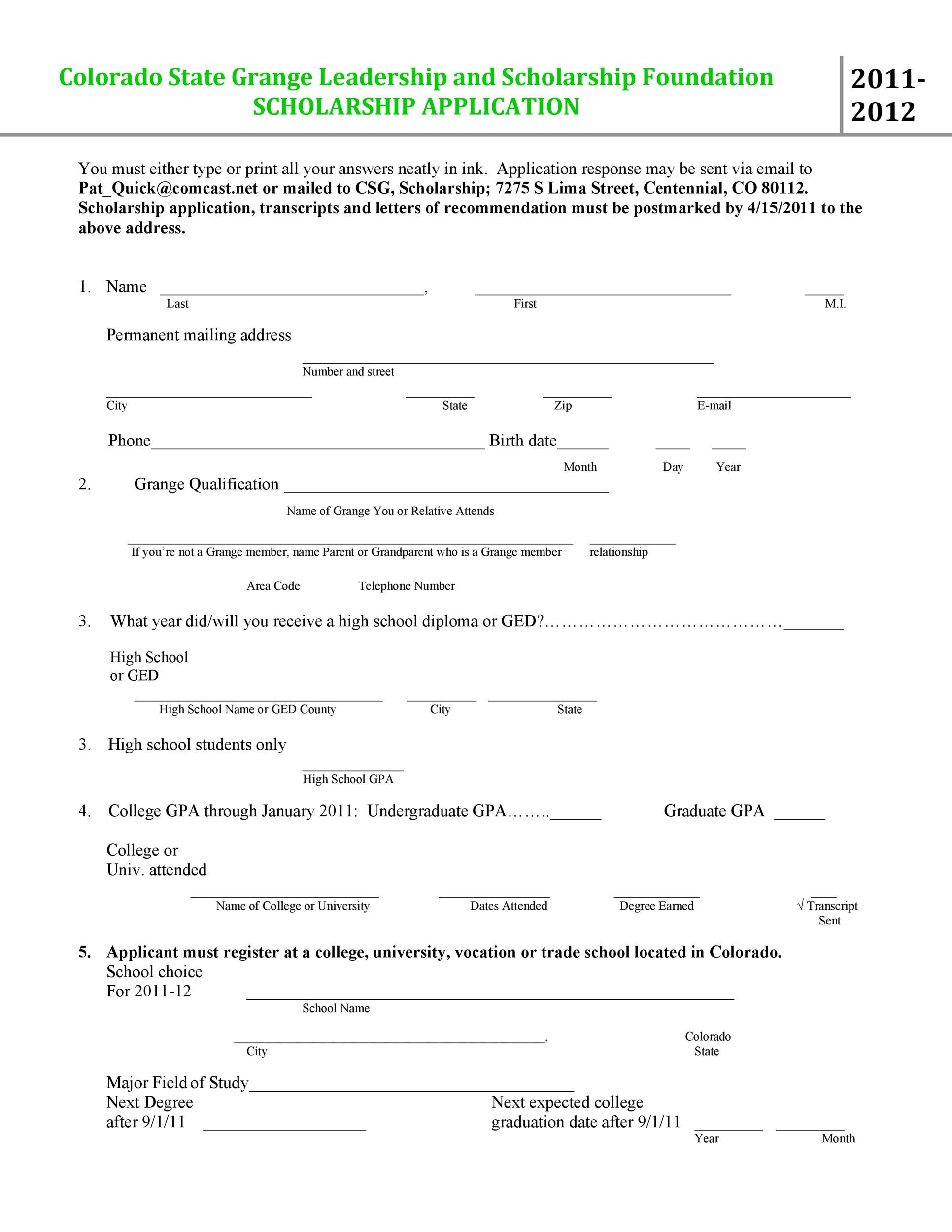
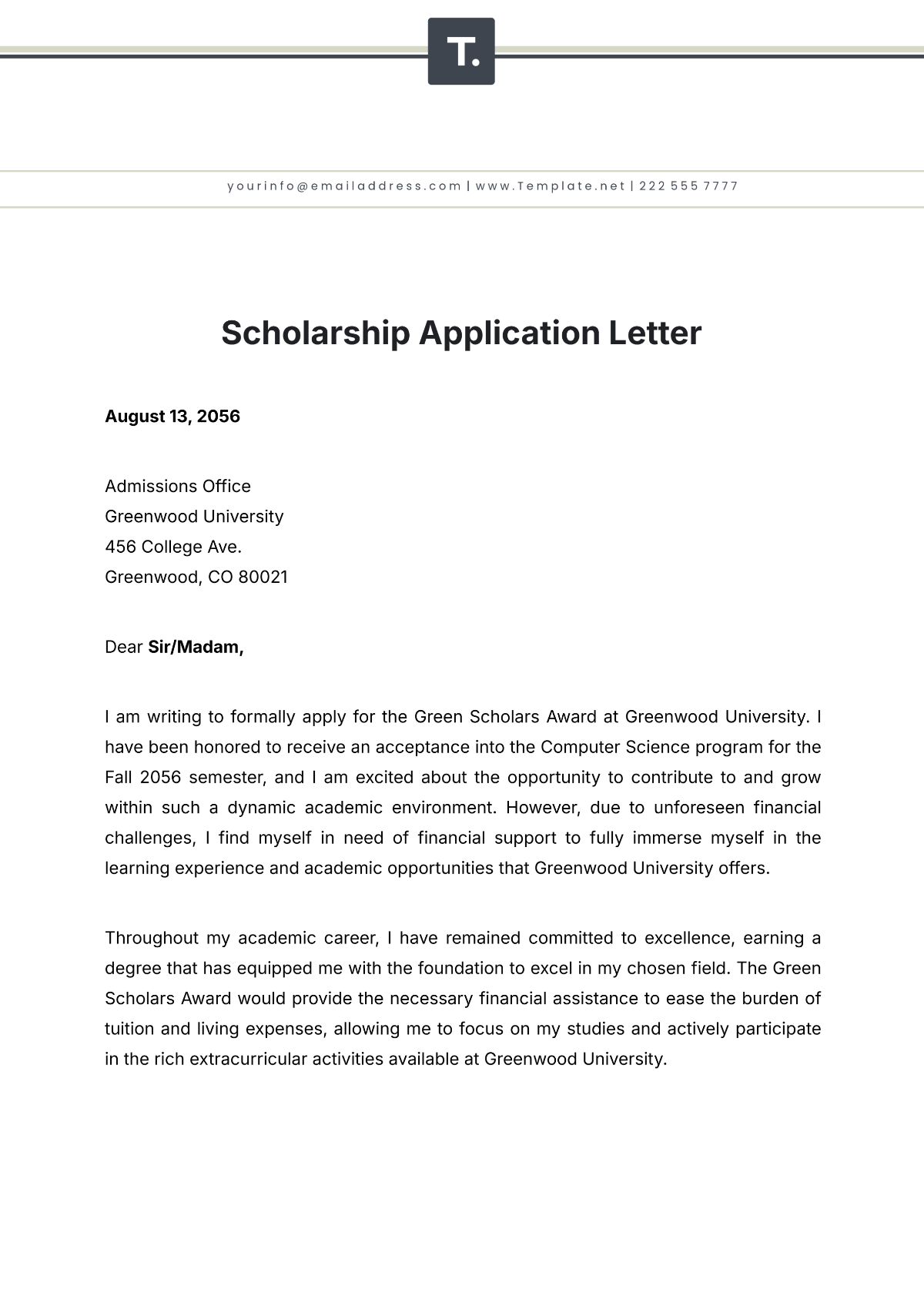
Then came the application itself, often a blend of forms, short answers, and the dreaded, yet most crucial, scholarship essay. This, I quickly discovered, was where I could truly shine, where I could move beyond numbers and tell my story. Many scholarships have specific essay prompts, asking about your goals, challenges you’ve overcome, your contributions to the community, or why you deserve the scholarship. Others are more open-ended, allowing you to craft a personal statement.
My initial approach to essays was to try and sound "smart" or "impressive." I used big words and tried to force a narrative I thought they wanted to hear. Big mistake. My early drafts felt stiff, generic, and frankly, boring. I shared one with my English teacher, and her feedback was simple but profound: "Where are you in this? I don’t hear your voice." That was my second big lesson: authenticity is paramount. Scholarship committees read hundreds, sometimes thousands, of essays. They aren’t looking for perfection; they’re looking for genuine passion, unique perspectives, and a compelling personal narrative.
I started over. Instead of trying to guess what they wanted, I focused on telling my own truth. I brainstormed moments in my life that truly shaped me – not just grand achievements, but small, impactful experiences. The time I struggled with a complex math problem for days but refused to give up, eventually finding the solution. The joy I felt volunteering at a local animal shelter, even when it meant scrubbing cages. The way a particular book ignited my curiosity about a specific field. I chose stories that illustrated the qualities the scholarship valued, but told them in my voice, with my emotions.
I learned to show, not just tell. Instead of saying "I am a determined person," I wrote about the specific instance of struggling with that math problem and the satisfaction of finally understanding it. Instead of saying "I am passionate about community service," I described the warmth of a rescued dog licking my hand. I made sure each essay was tailored to the specific scholarship, weaving in their mission or values where appropriate, showing them that I understood what they were looking for and that I was a good match. Proofreading became an obsession; I read my essays aloud, had friends and family read them, and used online tools to catch any stray errors. A sloppy essay sends a message of carelessness, no matter how brilliant the content.
The application process was an emotional rollercoaster. There were days of intense hope, imagining my name on an acceptance letter, and days of crushing doubt, wondering if I was wasting my time. I faced rejections, sometimes with a polite email, sometimes with a simple silence. Each "no" stung, but I slowly learned to see them not as failures, but as stepping stones. Each rejection meant I was one application closer to a "yes." It truly is a numbers game. The more scholarships you apply for, the higher your chances. I set a goal for myself: apply to at least five scholarships a week, even if some were long shots. That consistent effort, even through the disappointments, kept me moving forward.
One time, I even had to prepare for a scholarship interview. This was a new level of nerve-wracking. I practiced answering common interview questions ("Tell me about yourself," "Why do you deserve this scholarship?"), researched the organization thoroughly, and even practiced my handshake with my dad. The interview itself was less intimidating than I expected. They weren’t trying to trick me; they just wanted to get to know the person behind the application. I focused on being myself, confident but humble, and showing genuine enthusiasm for my goals. I also made sure to have a couple of thoughtful questions prepared for them at the end, demonstrating my engagement and interest.
Throughout this journey, I discovered the power of perseverance. There were moments when I wanted to give up, when the sheer volume of work seemed insurmountable. But I kept reminding myself of that initial dream, that distant star. I broke the process down into smaller, manageable tasks. Instead of thinking, "I need to apply to 20 scholarships," I thought, "Today, I will research five scholarships and outline one essay." Small wins accumulated into significant progress.
And then, one ordinary afternoon, an email arrived. The subject line was nondescript, but my heart pounded as I opened it. It wasn’t a rejection. It was an acceptance. I had been awarded a significant scholarship that would cover a substantial portion of my tuition. I reread the email three times, tears blurring the words, before finally letting out a whoop that probably startled my entire neighborhood. The weight that lifted from my shoulders was immense. It wasn’t just about the money; it was validation. It was proof that my hard work, my authenticity, and my stubborn refusal to give up had paid off.
That scholarship didn’t just pay for my education; it bought me peace of mind. It allowed me to focus on my studies, to engage fully in campus life, and to pursue internships without the constant burden of financial worry. It opened doors I never thought possible and allowed me to chase that distant star, which now felt much, much closer.
So, if you’re standing where I once stood, overwhelmed and uncertain, please know this: scholarships are real, they are attainable, and they are worth every ounce of effort. Start early. Get organized. Tell your authentic story in your essays. Choose your recommenders wisely and give them the tools they need. Don’t be afraid of rejection; see it as part of the process. Every "no" brings you closer to a "yes." Believe in your dreams, believe in your potential, and take that first brave step into the scholarship application maze. You might just find your own golden ticket. The future is waiting for you to unlock it.