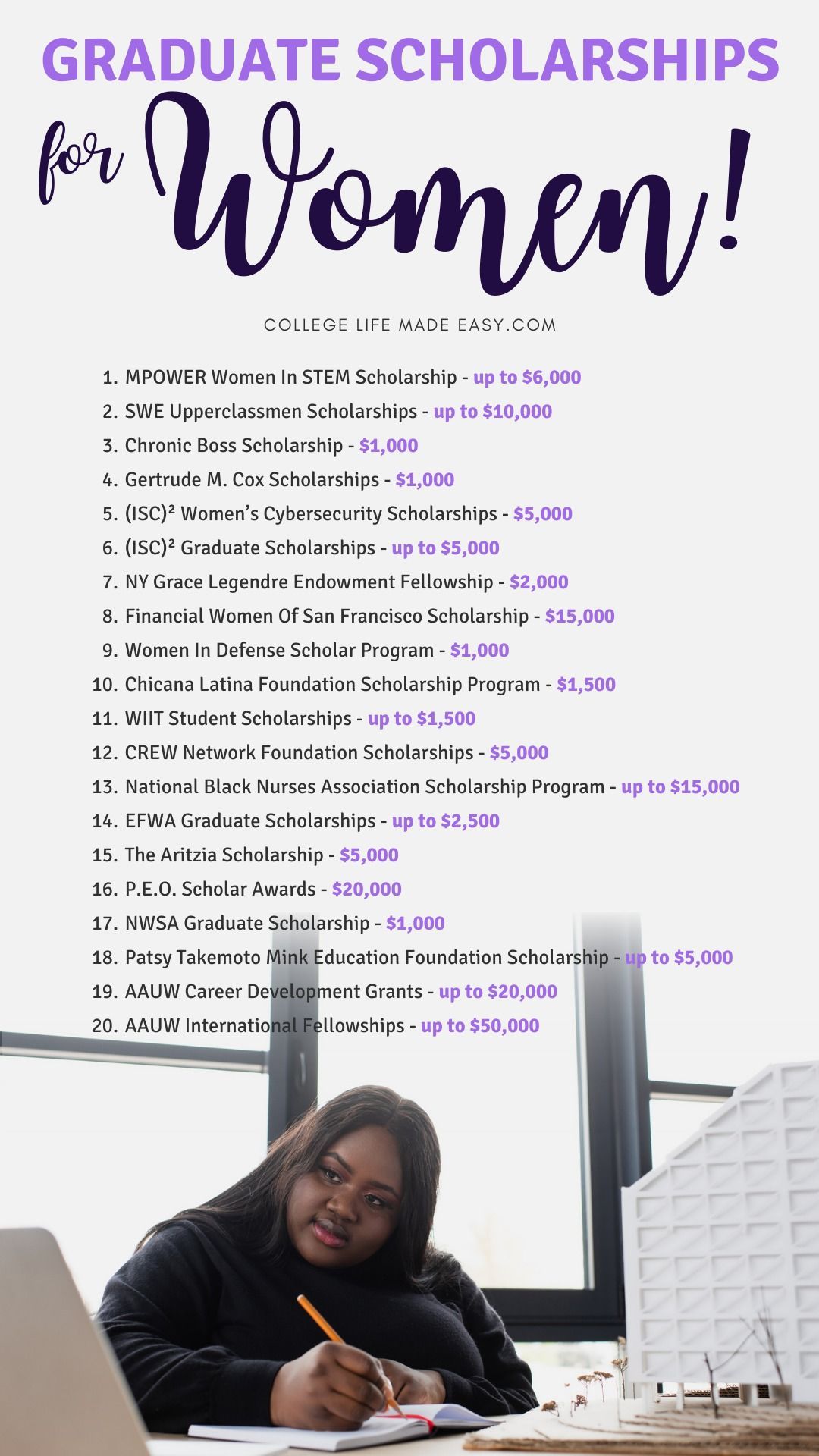

You know, I remember sitting at my kitchen table late one night, a mug of cold tea beside me, staring at a mountain of university brochures. Each glossy page promised a future full of learning and growth, but all I could really see were dollar signs – huge, daunting numbers that felt utterly out of reach. It wasn’t just my dream; it was the dream of so many young women I knew, bright, capable, and full of potential, but held back by the sheer weight of tuition fees, living costs, and the general expense of building a life. That feeling, that knot in your stomach when you realize ambition might not be enough, it’s a heavy one.
That’s when I first truly stumbled upon the idea of scholarships, and specifically, the incredible world of scholarships for women. It felt like discovering a secret garden, a hidden pathway designed just for us, for those of us who sometimes need a little extra help to push through the gate. Before then, I’d thought scholarships were only for the absolute geniuses, the valedictorians, or the star athletes. But as I dug deeper, I realized something profound: there’s a whole universe of support out there, waiting for women like us, for all kinds of women, to claim it.
Why are there specific scholarships for women, you might ask? It’s a fair question, and one I pondered myself. The answer, I learned, is rooted in history and in the present reality. For centuries, access to education for women was limited, often non-existent. While we’ve come a long way, the echoes of those barriers still exist. In many parts of the world, and even in subtle ways in more developed nations, women still face unique challenges in pursuing higher education. This can range from societal expectations, family responsibilities, gender-specific biases in certain fields, or simply the historical underrepresentation in leadership roles and STEM professions. Scholarships for women are designed to help level that playing field, to encourage, empower, and equip women to pursue their dreams, break glass ceilings, and contribute their invaluable talents to every sector of society. They’re a recognition that investing in women’s education is investing in the future of everyone.
Let me tell you about Sarah, a friend of mine. Sarah had always been brilliant with numbers, the kind of person who could see patterns where others saw chaos. She dreamed of becoming an engineer, but her family’s finances were stretched thin. She felt like she was standing at the edge of a vast ocean, longing to cross but seeing no boat. When I told her about financial aid for women, her eyes widened. We spent weeks researching, combing through university websites, government portals, and non-profit organizations. What we found was astonishing. There were grants for female students specifically designed to encourage women in STEM fields, recognizing the historical imbalance. Sarah applied for one, pouring her heart into the essay, explaining not just her love for engineering but how she hoped to inspire other young girls. She got it. That scholarship didn’t just pay her tuition; it gave her the confidence to believe she belonged in a field traditionally dominated by men. It was a lifeline.
But it’s not just for STEM, not by a long shot. The beauty of women’s scholarships is their incredible diversity. There are scholarships for women pursuing careers in the arts, for those studying business, for future teachers, nurses, lawyers, and historians. Some are merit-based, celebrating academic excellence, while others are need-based, focusing on financial necessity. There are scholarships for single mothers returning to college, for women veterans, for those from specific ethnic backgrounds, for women pursuing vocational training, and even for those over a certain age who are finally chasing a lifelong dream. It’s like a vast, supportive network, ready to catch you.
Think about Maria, a woman I met through a community project. She had put her education on hold to raise her children, but as they grew older, she felt a powerful pull to return to school and become a social worker. The thought of starting over, navigating applications, and finding the money felt overwhelming. But then she discovered education funding for women specifically for non-traditional students and returning learners. The application process was daunting, she admitted, but the scholarship committee understood her journey. They valued her life experience as much as her academic potential. Maria is now two years into her degree, thriving, and proving that it’s never too late to learn and contribute. Her story is a testament to the fact that these scholarships aren’t just for fresh-faced high school graduates; they’re for all women with a burning desire to learn and grow.
So, how do you even begin to navigate this world of funding for women’s education? It can feel like a maze at first, but with a few pointers, you can find your way.
First, start early and be thorough. Don’t wait until the last minute. Many scholarships have application windows that close months before the academic year begins. Begin your search by looking at your desired university’s financial aid office. They often have lists of institutional scholarships, including those designated for female scholars. Beyond that, explore reputable online scholarship databases. Websites like Fastweb, Scholarship.com, and specific government education portals are great starting points. Don’t forget to look locally! Community organizations, local businesses, and women’s clubs often offer scholarships to students from their area. These local opportunities can sometimes have less competition.
Second, understand the criteria. Each scholarship is unique. Some might require a specific GPA, others might focus on community service, leadership experience, or a particular field of study. Some might have age restrictions, or require you to be from a certain state or background. Read every single requirement carefully. Don’t waste your time applying for something you don’t qualify for. But equally important, don’t disqualify yourself prematurely. If you meet most, but not all, criteria, it might still be worth an inquiry.
Third, and perhaps most crucially, tell your story. This is where many applicants miss an opportunity. When I applied for my own scholarship – a small one, but incredibly significant to me – I remember thinking I needed to sound perfect, like a robot reciting achievements. But the advice I got was to be me. Scholarships, especially scholarships for women, often want to hear about your journey, your challenges, your aspirations, and how this specific scholarship will help you achieve them. What obstacles have you overcome? What drives your passion? How will your education empower you to make a difference, however small?
Crafting that essay can feel like staring at a blank page for hours, believe me. My advice? Don’t just list your accomplishments. Weave them into a narrative. Show, don’t just tell. Instead of saying, "I am a leader," describe a time you took initiative and led a project. Instead of "I am passionate about science," explain the moment a particular experiment captivated you. Let your personality shine through. The selection committees are looking for real people, with real dreams and real voices. They want to see that you understand the value of the opportunity and that you’re committed to making the most of it. Many of these scholarships are about empowering women through education, and your story is a powerful testament to that mission.
Fourth, get stellar recommendation letters. Don’t just ask the first teacher or boss you see. Think about who knows you best, who can speak genuinely about your character, your work ethic, your potential, and your specific strengths related to the scholarship. Give them plenty of notice, provide them with your resume, the scholarship requirements, and a brief summary of why you’re applying and what you hope to achieve. Make it easy for them to write a powerful, personalized letter.
Fifth, proofread, proofread, proofread. A well-written, error-free application shows attention to detail and respect for the committee’s time. Get a friend or mentor to read it over. Fresh eyes can catch things you’ve overlooked a hundred times.
The waiting period after submitting an application can feel agonizing, a mix of hope and anxiety. I remember checking my email compulsively, every notification sending a jolt through me. Sometimes, the news is exactly what you hoped for, a resounding "yes!" The relief, the joy, the validation – it’s an incredible feeling. It’s the moment you realize that all those late nights, all that hard work, has paid off. It’s the moment the path that seemed blocked suddenly opens up, thanks to someone believing in your potential.
But sometimes, the answer is a polite "no." And that’s okay. It stings, absolutely. But it’s not a reflection of your worth or your potential. It simply means that particular opportunity wasn’t the right fit, or the competition was exceptionally fierce. The key is resilience. Learn from the experience, ask for feedback if possible, and then, most importantly, keep looking. There are so many avenues for support for women in higher education, and one "no" doesn’t close all the doors.
What’s truly remarkable about scholarships for women is that they offer so much more than just financial relief. They often come with a community. Many scholarship programs connect their recipients, creating networks of bright, ambitious women who support each other. You might find mentors, make lifelong friends, and gain access to workshops, conferences, and exclusive opportunities. This network can be just as valuable, if not more so, than the money itself. It’s about building a sisterhood of female scholars, all lifting each other up.
I’ve seen firsthand how a scholarship can transform not just an individual’s life, but also ripple outwards to their families and communities. When a woman is educated, she is more likely to invest in her family’s health and education, to participate in the workforce, and to contribute to the economic and social well-being of her community. It’s a powerful multiplier effect. These scholarships are a vital component in the global movement towards gender equality, helping to dismantle barriers and foster environments where women can thrive. They’re about ensuring that every woman has the chance to realize her full potential, to pursue knowledge, and to leave her unique mark on the world.
So, if you’re a woman contemplating higher education, or if you know a woman who is, please don’t let financial concerns be the sole reason to hold back. Take that leap of faith. Do the research. Write that essay. Ask for those recommendations. Believe in your own story and your own worth. The world needs your unique perspective, your intelligence, your compassion, and your strength. There are people, organizations, and foundations out there that want to invest in you, that want to see you succeed. They offer opportunities for women’s learning because they understand that when women rise, we all rise. Your path to a brighter future might just be waiting for you, paved with the generosity and foresight of a scholarship. Go find it.