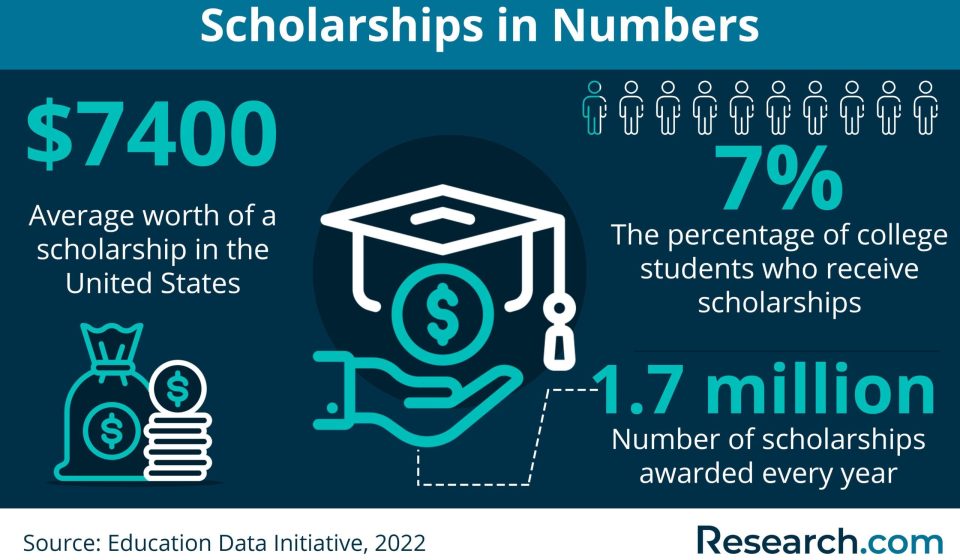

Imagine a classroom, vibrant with the hum of young minds, a space where curiosity is sparked, and futures are shaped. Picture yourself at the front, a guide, a mentor, a storyteller, nurturing the potential within each student. This isn’t just a job; it’s a calling, a profound commitment to the next generation. For many, the dream of becoming a teacher begins early, a quiet whisper that grows into a powerful aspiration. But then, reality often casts a long shadow: the rising cost of higher education. Tuition fees, living expenses, books, and supplies can feel like insurmountable hurdles, turning a passionate dream into a daunting financial burden. This is where scholarships for education majors step in, not just as financial aid, but as beacons of hope, lighting the path for aspiring educators.
The Heart of the Classroom: Why Education Needs You (and Funding)
The decision to pursue an education degree is a noble one, driven by a desire to make a tangible difference. Teachers are the architects of society, building foundational knowledge, fostering critical thinking, and instilling values that last a lifetime. They are the frontline workers in the grand project of human development, yet the financial journey to becoming one can be incredibly challenging.
The cost of a college education has soared over the past few decades. A bachelor’s degree in education, while invaluable, comes with a hefty price tag. Many prospective teachers find themselves grappling with student loan debt even before they’ve stepped into their own classroom. This financial strain can deter some of the brightest, most passionate individuals from entering the profession, or force them to delay their dreams. It’s a paradox: we desperately need dedicated, well-trained educators, but the pathway to becoming one is often paved with financial obstacles. This is precisely why education scholarships are not just helpful; they are essential. They represent an investment in our collective future, recognizing that empowering those who teach is empowering us all.
A Beacon of Hope: Understanding Education Scholarships
So, what exactly are scholarships for future teachers, and how do they differ from, say, student loans? Unlike loans, which must be repaid with interest, scholarships are gifts of money. They don’t need to be paid back, making them an incredibly valuable resource for any student, especially those entering a profession like teaching, where starting salaries might not always reflect the immense value of the work.
Teaching scholarships are specifically designed to support individuals pursuing degrees in education. They come from a myriad of sources: universities, private foundations, government programs, professional organizations, and even individual donors who believe in the power of a great teacher. These awards aim to alleviate the financial pressure, allowing students to focus more on their studies, their student teaching experiences, and developing the pedagogical skills necessary to excel in the classroom. Imagine the freedom of being able to dedicate yourself fully to learning how to inspire young minds, without the constant worry of mounting debt. That’s the power of a scholarship.
Navigating the Scholarship Landscape: Types Tailored for Future Educators
The world of scholarships can seem vast and complex, but for education majors, there are many specific categories designed with your unique path in mind. Understanding these can significantly narrow your search and increase your chances of success.
Merit-Based Scholarships for Education Majors
These awards recognize academic excellence, leadership qualities, community involvement, and other outstanding achievements. If you’ve consistently performed well in high school or during your undergraduate studies, maintained a high GPA, or taken on leadership roles in clubs or volunteer work, you’re a strong candidate for merit-based scholarships for aspiring teachers. Universities often offer these to attract top talent to their education programs, and many private organizations look for individuals who have already demonstrated dedication and potential.
Need-Based Scholarships for Education Students
Financial need is a primary criterion for these scholarships. Typically, applicants will need to complete the Free Application for Federal Student Aid (FAFSA) to demonstrate their financial situation. These grants for education students are crucial for ensuring that socioeconomic background doesn’t prevent passionate individuals from pursuing their teaching dreams. Many state and federal programs, as well as university-specific aid, fall into this category.
Subject-Specific Scholarships: Specializing Your Path
The field of education is incredibly diverse, and many scholarships reflect this specialization.
- Special Education Scholarships: If your passion lies in working with students with diverse learning needs, numerous scholarships are dedicated to future special education teachers. These often aim to address shortages in this vital area.
- STEM Education Scholarships: With a national push to strengthen science, technology, engineering, and mathematics education, there are abundant STEM teaching scholarships available for those majoring in these fields and planning to teach them.
- Early Childhood Education Scholarships: For those dedicated to shaping the youngest minds, scholarships specifically target students pursuing degrees in early childhood education. These recognize the foundational importance of quality instruction in a child’s formative years.
- Bilingual Education Scholarships: As classrooms become more diverse, the need for bilingual educators is growing. Scholarships exist to support students who are preparing to teach in bilingual or ESL (English as a Second Language) settings.
Minority and Diversity Scholarships for Educators
To promote diversity and representation within the teaching profession, many organizations offer minority teacher scholarships. These aim to support students from underrepresented backgrounds, ensuring that classrooms reflect the rich tapestry of our communities. These scholarships often come from cultural organizations, professional associations, and even government initiatives focused on achieving educational equity.
Location-Specific & Service-Based Scholarships
Some scholarships are tied to a specific geographical area or a commitment to teach in a high-need school district. For example, a state might offer state teaching scholarships to students who commit to teaching in underserved rural or urban schools for a certain number of years after graduation. These programs are mutually beneficial, providing financial aid to students while addressing critical teacher shortages in specific regions. Look into programs offered by your state’s Department of Education or local school districts.
University & Departmental Scholarships for Educators
Don’t overlook the opportunities right on campus! Many universities have dedicated university scholarships for educators or specific awards within their College of Education. These can sometimes be less competitive simply because fewer people know to look for them. Always check with your university’s financial aid office and your specific department advisor. They are often the best resource for internal funding opportunities.
Professional Organizations & Foundations
Major professional organizations in education are strong advocates for future teachers. The National Education Association (NEA) and various state teacher associations often offer NEA scholarships or similar grants to their members or students aspiring to join the profession. Foundations dedicated to educational excellence also play a significant role. Research organizations related to your specific area of interest (e.g., National Council of Teachers of English, National Science Teachers Association).
Charting Your Course: The Scholarship Application Journey
Applying for scholarships might seem like a daunting task, but approaching it systematically can make all the difference. Think of it as your first major project as an aspiring educator – requiring research, organization, and clear communication.
Step 1: The Great Hunt – Where to Look
The first step is always research. You can’t apply for what you don’t know exists!
- Online Scholarship Databases: Websites like Fastweb, Scholarship.com, Cappex, and College Board’s BigFuture are excellent starting points. Filter your search by "education major," "teaching," or your specific area of interest (e.g., "special education").
- University Financial Aid Offices: As mentioned, your college or university’s financial aid department and the College of Education itself are goldmines of information about institutional scholarships.
- Professional Organizations: Explore the websites of groups like the NEA, your state’s teacher association, or specialized organizations (e.g., Council for Exceptional Children).
- Local Community Resources: Check with local community foundations, rotary clubs, Lions Clubs, or even your high school guidance counselor. Many local organizations offer scholarships specifically for students from their area pursuing certain careers.
The key is to cast a wide net initially, then narrow down the opportunities that best fit your profile. Make a spreadsheet to track deadlines, requirements, and application status. This organization is vital for managing multiple applications.
Step 2: Crafting Your Narrative – The Essay That Shines
Many scholarships require an essay, and this is your chance to truly shine. This isn’t just about recounting your accomplishments; it’s about telling your story and demonstrating your passion for teaching.
- Be Authentic: Don’t try to be someone you’re not. Share your genuine reasons for wanting to become an educator. What experiences led you to this path? Did a particular teacher inspire you? Do you have a personal story about the impact of education?
- Show, Don’t Just Tell: Instead of saying, "I’m passionate about teaching," describe a moment where that passion was evident. "I remember the moment I saw a first-grader’s eyes light up when they finally understood a complex math concept – it was like witnessing a small miracle, and I knew then that I wanted to spend my life facilitating those ‘aha!’ moments."
- Connect to the Scholarship’s Mission: If the scholarship is for special education scholarships, talk about your commitment to inclusive learning environments. If it’s about STEM teaching scholarships, explain your vision for making science engaging for all students.
- Highlight Your Skills: Discuss how your experiences (volunteering, tutoring, leadership roles) have prepared you for the classroom. Emphasize qualities like patience, creativity, problem-solving, and communication.
- Proofread Meticulously: A well-written, error-free essay demonstrates attention to detail – a crucial quality for any teacher. Ask a trusted friend, mentor, or English professor to review it.
Your essay is where your personality and dedication truly come through. It’s your opportunity to tell the committee why you, out of all the applicants, deserve this financial support to pursue your noble calling.
Step 3: Building Your Case – Recommendations and Transcripts
Strong letters of recommendation can significantly bolster your application. Choose individuals who know you well and can speak to your character, academic abilities, and potential as a teacher. This might include:
- High school teachers or college professors (especially those in your education department).
- Supervisors from volunteer work, tutoring, or part-time jobs, particularly if those roles involved working with children or young adults.
- Mentors or community leaders.
Provide your recommenders with all necessary information: the scholarship’s purpose, your resume, a draft of your essay, and the submission deadline. Give them ample time to write a thoughtful letter.
Official transcripts from all institutions you’ve attended are almost always required. Ensure they are sent directly from the institution to the scholarship provider to maintain authenticity.
Step 4: The Financial Snapshot – FAFSA and Financial Need
For need-based scholarships, the Free Application for Federal Student Aid (FAFSA) is your gateway. Complete it accurately and on time every year. Even if you don’t think you’ll qualify for federal aid, many scholarships use FAFSA data to assess financial need, so it’s a critical step for many applications.
Step 5: The Interview – Making Your Passion Palpable
Some competitive scholarships might require an interview. This is your chance to articulate your passion and commitment in person.
- Prepare: Research the organization, understand their mission, and be ready to discuss your experiences and aspirations.
- Practice: Anticipate common questions: "Why do you want to be a teacher?" "What challenges do you foresee in education?" "How will this scholarship help you achieve your goals?"
- Be Enthusiastic and Professional: Dress appropriately, arrive on time, and let your genuine enthusiasm for education shine through.
Boosting Your Chances: Strategies for Scholarship Success
The journey to securing financial aid for education degrees can be competitive, but there are strategies you can employ to maximize your chances.
Start Early, Stay Organized
This cannot be stressed enough. Scholarship deadlines often fall months before the academic year begins. Start your research and application process well in advance. Create a detailed calendar with deadlines for each scholarship you’re interested in, including time needed for essays, recommendations, and transcript requests. The early bird genuinely catches the worm in the scholarship world.
Apply Broadly, Apply Smartly
Don’t put all your eggs in one basket. Apply to a variety of scholarships, from the big national ones to smaller, local awards. While national scholarships might offer larger sums, they are also highly competitive. Smaller, niche scholarships might have fewer applicants, increasing your odds. Focus on those that align closely with your specific profile (e.g., early childhood education scholarships if that’s your major).
Tailor Every Application
Resist the urge to send generic applications. Each scholarship has a specific purpose and criteria. Take the time to customize your essay and supporting materials to directly address the values and goals of the scholarship provider. A personalized application demonstrates your genuine interest and attention to detail.
Proofread, Proofread, Proofread
A simple typo or grammatical error can undermine an otherwise strong application. Read everything carefully, and then have someone else read it. Fresh eyes can catch mistakes you might have overlooked. This attention to detail is paramount for an aspiring educator.
Persistence is Key
You won’t get every scholarship you apply for, and that’s okay. Don’t let rejections discourage you. Use each application as a learning experience, refining your essays and improving your process. Persistence, coupled with a positive attitude, will eventually pay off. Remember, securing even a small scholarship can significantly reduce your overall financial burden.
Beyond the Award Letter: What Comes Next?
Receiving a scholarship is a momentous occasion, a recognition of your hard work and potential. But the journey doesn’t end there.
- Maintain Eligibility: Most scholarships have conditions for renewal, such as maintaining a certain GPA or continuing in your education major. Understand these requirements and strive to meet them.
- Networking and Mentorship: Many scholarship providers are invested in their recipients’ success. Seize opportunities to network with the organization’s members or mentors they might offer. These connections can be invaluable for your future career, providing insights, internships, and even job opportunities.
- Focus on Your Studies: With financial worries eased, you can dedicate more energy to your coursework, field placements, and student teaching. This focused learning will make you a more effective and confident teacher.
- Give Back: Many scholarship recipients feel a desire to give back. Whether through volunteering, mentoring future applicants, or simply excelling in your teaching career, your success becomes a testament to the scholarship’s impact.
The Future is Bright: Empowering the Next Generation of Educators
The path to becoming a teacher is challenging, but it is also one of the most rewarding journeys imaginable. Scholarships for education majors are more than just money; they are an affirmation of your chosen path, an investment in your potential, and a belief in the profound impact you will have on countless lives. They enable aspiring educators to pursue their calling with fewer financial burdens, allowing them to fully immerse themselves in learning the art and science of teaching.
By actively seeking out and applying for these vital resources, you are not just securing your own future; you are contributing to a stronger, more vibrant educational landscape for everyone. Every scholarship awarded to an education major is a vote of confidence in the future of our classrooms, our communities, and our world. So, take that first step, research those opportunities, craft your compelling story, and unlock the door to your dream of shaping minds and inspiring generations. Your classroom awaits, and with the right support, your journey there can be one of excitement and possibility, not financial stress. Investing in teachers is investing in tomorrow, and your scholarship journey is a crucial part of that grand vision.