From Raw Clips to Cinematic Masterpieces: Why a Video Editing Course is Your Ultimate Creative Power-Up

The Magic Behind the Screen
Imagine standing on a breathtaking cliffside at sunset. You pull out your phone or your high-end mirrorless camera and capture the golden light hitting the waves. It feels like magic in the moment. But when you get home and scroll through your gallery, the clip feels… flat. It is just a shaky, 15-second snippet that fails to capture the wind in your hair or the rhythm of the ocean. This is where the world of video editing begins, and it is where most creators realize that a camera only captures data, but an editor captures emotion.
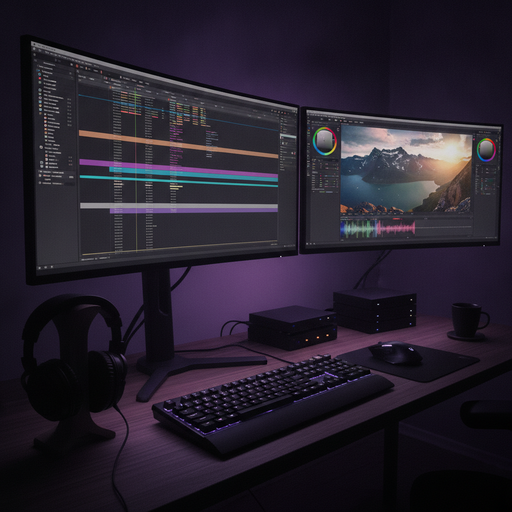
I remember the first time I opened a professional video editing software. The screen was filled with buttons, timelines, meters, and panels that looked more like the cockpit of a fighter jet than a creative tool. I felt overwhelmed, frustrated, and ready to quit. However, I soon realized that learning to edit is not just about clicking buttons; it is about learning a new language. If you have ever felt that spark of wanting to tell a story through moving images, a structured video editing course is the bridge between your raw imagination and a finished masterpiece.
The Begier’s Hurdle: Why Google Isn’t Always Your Best Friend
We live in an age where you can learn almost anything for free on YouTube. While those “5-minute transition tutorials” are great for quick fixes, they often lack the foundational “why” behind the “how.” You might learn how to do a flashy zoom effect, but do you know when to use it? Do you understand the psychology of a cut?
A comprehensive video editing course provides a roadmap. Instead of jumping from one random tutorial to another, you follow a logical progression. You start with the basics of file management—because nothing kills creativity faster than losing your footage—and move toward the sophisticated art of pacing and rhythm. By investing in a structured course, you are not just buying information; you are saving hundreds of hours of trial and error.
Choosing Your Weapon: Premiere Pro, DaVinci Resolve, or Final Cut Pro?
One of the biggest questions every aspiring editor asks is: “Which software should I learn?” A good video editing course will often focus on one of the industry giants, each with its own personality:
- Adobe Premiere Pro: The industry standard. It is the Swiss Army knife of editing, used by YouTubers and Hollywood studios alike. It integrates perfectly with Photoshop and After Effects, making it a powerhouse for creative professionals.
- DaVinci Resolve: Once known only for its world-class color grading, it has evolved into a full-fledged editing suite. The best part? There is a robust free version that rivals most paid software.
- Final Cut Pro: Designed specifically for Mac users, it is known for its incredible speed and magnetic timeline. It is often the choice for those who want a smooth, intuitive workflow.
A professional course doesn’t just teach you where the tools are; it teaches you the workflow that professionals use to meet tight deadlines without sacrificing quality.
The Four Pillars of Exceptional Editing
What separates a “home video” from a professional production? A great video editing course will dive deep into the four essential pillars of the craft:
1. The Art of the Cut (Pacing)
Editing is essentially the manipulation of time. A frame too long can make a scene feel awkward; a frame too short can make it feel rushed. You will learn about “Invisible Editing,” where the viewer is so engaged in the story they don’t even realize a cut has happened. You’ll learn the difference between an action cut, a match cut, and a jump cut, and more importantly, when to use them to evoke specific emotions.
2. Color Grading and Correction
Have you ever noticed how horror movies look cold and blue, while summer romances look warm and golden? That is color grading. A course will teach you how to fix “bad” footage (color correction) and then how to apply a creative look that defines the mood of your project (color grading). Understanding scopes, luts, and wheels is what gives your video that “cinematic” polish.
3. Sound Design and Audio Engineering
Ask any filmmaker, and they will tell you: Audio is 50% of the viewing experience. Bad audio will make a viewer click away faster than bad video. You will learn how to clean up background noise, layer ambient sounds, and use music to drive the narrative. Learning how to “duck” audio so the music doesn’t drown out the dialogue is a game-changer for any creator.
4. Storytelling and Narrative Structure
This is the soul of editing. An editor is often called the “Final Writer” of a film. You take the script and the raw footage and find the story within the mess. A course teaches you how to build tension, create a climax, and leave the audience with a resonant ending. Whether you are making a 30-second TikTok or a 90-minute documentary, the principles of storytelling remain the same.
Turning a Passion into a Career
The demand for skilled video editors has never been higher. Every business, from the local coffee shop to global tech giants, needs video content to survive in the digital age. By completing a video editing course, you are not just picking up a hobby; you are gaining a highly marketable skill.
Freelance video editors can command impressive hourly rates. Many start by editing for YouTube creators, moving into corporate videos, real estate tours, or wedding films. The beauty of this career is that you can work from anywhere in the world. As long as you have your laptop and your skills, the world is your office.
What to Look for in a Video Editing Course
Not all courses are created equal. If you are ready to take the plunge, look for a program that offers:
- Project-Based Learning: Don’t just watch videos; edit along. Ensure the course provides raw footage for you to practice with.
- Community Support: Access to a forum or Discord where you can ask questions and get feedback on your edits.
- Up-to-Date Content: Software changes every year. Make sure the course covers the latest versions and features.
- Portfolio Building: A good course should help you finish with at least 2-3 high-quality pieces you can show to potential clients.
Conclusion: Your Creative Journey Starts Here
The jump from “record” to “publish” is a huge one, but it is one of the most rewarding journeys you can take. Video editing is the place where your vision truly comes to life. It is where you find your voice as a creator. Don’t let the technical complexity scare you away. With the right course, those intimidating buttons will soon become your favorite tools for expression.
So, take that footage sitting on your hard drive and give it the life it deserves. Enroll in a course, start with your first cut, and watch as you transform from a casual observer into a master storyteller. Your audience is waiting.